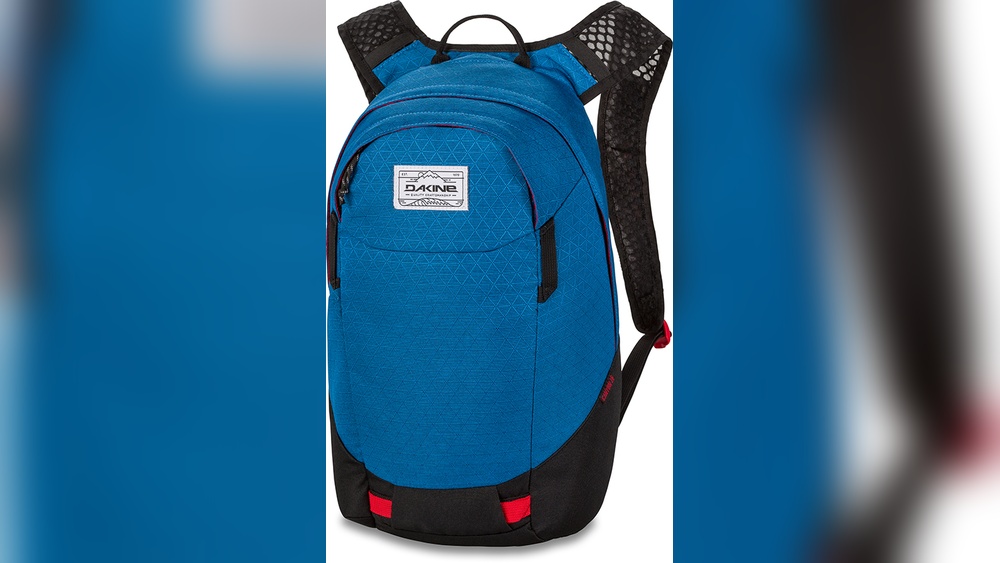
Do you want to add a personal touch to your backpack or make it stand out in a crowd? Attaching a Velcro patch is a simple and effective way to do just that.
But if you’ve never done it before, you might wonder how to get it right without damaging your bag. In this guide, you’ll discover easy steps to securely attach your Velcro patch so it stays put and looks great. Keep reading, and you’ll learn the tricks to make your backpack truly yours.
Choosing The Right Velcro Patch
Choosing the right Velcro patch is key to attaching it well to your backpack. The patch must fit your needs and work with the backpack material. Picking the wrong patch can cause it to fall off or not look good. This section helps you find the best patch for your backpack.
Types Of Velcro Patches
Velcro patches come in two main types: hook and loop. The hook side is rough and sticks to the loop side, which is soft. Some patches have both sides attached to the patch itself. Others need separate hook or loop strips on the backpack. Choose a patch type that matches your backpack’s Velcro or the material you want to stick it on.
Size And Shape Considerations
Pick a patch size that fits your backpack space. Too big can look bulky. Too small might not hold well. Shape matters too. Rectangular, circular, or custom shapes suit different backpack styles. A well-sized patch stays secure and looks neat.
Material Compatibility
Check if the patch material matches your backpack fabric. Some patches work best on nylon or polyester. Others stick better to cotton or canvas. The patch backing can be adhesive, sew-on, or iron-on. Make sure it fits your backpack’s material to avoid damage or peeling.
Preparing Your Backpack
Preparing your backpack is the first step to attach a Velcro patch correctly. This step ensures the patch sticks well and lasts long. Taking time now saves you from problems later. Follow these simple steps to get your backpack ready.
Cleaning The Attachment Area
Start by cleaning the spot where you want to place the patch. Use a damp cloth to wipe away dust and dirt. Avoid soaking the fabric; a light clean is enough. Let the area dry completely before moving on. A clean surface helps the Velcro stick better.
Selecting The Best Spot
Look for a flat, smooth area on your backpack. Avoid seams, zippers, and uneven fabric. Pick a spot where the patch can stay firmly. Think about how you want the patch to look. Choose a place easy to see but not in the way.
Marking Placement
Use a pencil or a fabric chalk to mark the spot lightly. Make sure the mark is small and easy to erase. This step helps you place the patch exactly where you want it. Double-check the mark before attaching the patch. Accurate placement means a neat and clean look.
Attaching Velcro With Sewing
Sewing Velcro patches onto your backpack creates a strong hold that lasts. This method works well for heavy use and outdoor activities. It keeps the patch firmly in place without damaging your bag.
Sewing Velcro is easy with the right tools and steps. It also allows you to remove or replace patches later. Let’s explore the tools, the sewing steps, and tips for making the patch durable.
Tools Needed
- Velcro patch with sew-on backing
- Needle suitable for thick fabric
- Strong thread, like polyester
- Scissors for cutting thread
- Thimble to protect your finger (optional)
- Pins to hold patch in place
- Measuring tape or ruler
Step-by-step Sewing Guide
- Place the Velcro patch on the backpack where you want it.
- Use pins to keep the patch from moving.
- Thread the needle and tie a knot at the end.
- Start sewing from the inside of the backpack fabric.
- Make small, even stitches around the edges of the patch.
- Go all around to secure the patch firmly.
- Tie a knot at the end of the thread and cut off extra.
- Check for any loose areas and sew again if needed.
Tips For Durability
- Use strong thread to prevent easy breakage.
- Double stitch corners for extra strength.
- Sew close to the Velcro edges but not through the hooks.
- Avoid large stitches; small stitches hold better.
- Check stitches regularly and repair if loose.
- Keep the patch clean to avoid dirt weakening the thread.
Using Adhesive Velcro
Using adhesive Velcro is a simple way to attach patches to your backpack. It holds well and does not need sewing. This method saves time and keeps your patch secure. Follow easy steps for best results.
Choosing The Right Adhesive
Pick Velcro with strong glue for fabric use. Some adhesives work better on rough or smooth surfaces. Check the package for fabric compatibility. Heat-activated glue is good for durable bonds. Avoid weak glue types that peel off quickly.
Surface Preparation
Clean the backpack area where you will stick the Velcro. Remove dirt, dust, and oils with rubbing alcohol. Let the surface dry fully before attaching. Smooth surfaces give a stronger hold than rough ones. Avoid stretching the fabric while cleaning.
Applying And Setting Time
Peel the protective layer from the Velcro adhesive. Press it firmly on the backpack surface. Hold for at least 30 seconds to secure the bond. Let the glue cure for 24 hours before use. This waiting time ensures the patch stays in place.
Combining Sewing And Adhesive
Combining sewing and adhesive creates a strong bond for attaching Velcro patches to backpacks. Sewing adds durability, while adhesive gives quick stickiness. Together, they keep patches secure during daily use and rough handling.
This method works well for different fabric types. It also helps patches stay flat and prevents edges from peeling. Using both methods can extend the life of your patch and backpack.
Benefits Of Dual Attachment
Sewing prevents patches from falling off over time. It holds the patch tightly in place, even with heavy use. Adhesive makes the patch stick instantly, saving time during attachment.
The combination resists water and dirt better than using one method alone. It also avoids damage to the backpack fabric by spreading the hold. Patches look neat and stay smooth without wrinkles.
Best Practices
Start by cleaning the backpack area to remove dust and oils. Apply adhesive evenly on the patch back for a strong initial hold. Press the patch firmly onto the backpack and let it dry for several hours.
Use a needle and strong thread to sew around the patch edges. Keep stitches small and close for better strength. Avoid sewing too tightly, which can damage the fabric or patch.
Check the patch regularly for any loose edges or wear. Reapply adhesive or add extra stitches if needed. This will keep your patch looking good and secure for a long time.
Maintaining Your Velcro Patch
Maintaining your Velcro patch keeps it looking fresh and working well. Proper care extends the patch’s life. Clean and handle it right to avoid damage. Follow simple steps to keep your patch strong and neat.
Cleaning Tips
Remove dirt and dust regularly. Use a soft brush to clean the hook and loop sides. Avoid harsh soaps or bleach. If needed, wash the patch gently with mild soap and water. Let it air dry completely before reattaching.
Preventing Wear And Tear
Detach the patch during heavy use or washing the backpack. Keep the patch away from sharp objects. Store your backpack in a dry place. Avoid exposing the patch to extreme heat or sunlight. These actions help keep the Velcro hooks and loops intact.
Replacing Worn Patches
Check the patch for signs of wear often. If the hooks or loops lose grip, consider replacing it. Choose a new patch with strong adhesive or sew it on. Proper replacement keeps your backpack looking good and functional.
Frequently Asked Questions
How Do I Attach A Velcro Patch To A Backpack?
Clean the backpack surface first. Peel the Velcro backing and press firmly onto the fabric. Allow it to set for a few minutes for a strong hold.
Can I Sew A Velcro Patch On My Backpack?
Yes, sewing a Velcro patch adds extra durability. Use a strong needle and thread to stitch around the patch edges securely.
What Materials Work Best For Velcro Patches On Backpacks?
Backpacks made of nylon, polyester, or canvas work best. These fabrics allow Velcro to stick or be sewn easily and hold firmly.
Will Velcro Patches Damage My Backpack?
No, Velcro patches usually do not damage backpacks. However, avoid rough handling to prevent fabric wear where the patch is attached.
Conclusion
Attaching a Velcro patch to your backpack is simple and quick. Choose the right spot and clean it well. Press the patch firmly to make it stick tight. Check the patch often to keep it secure. This small step adds style and personality to your bag.
Enjoy showing off your unique patches every day. Keep practicing for a neat and strong attachment each time. Easy, useful, and fun!