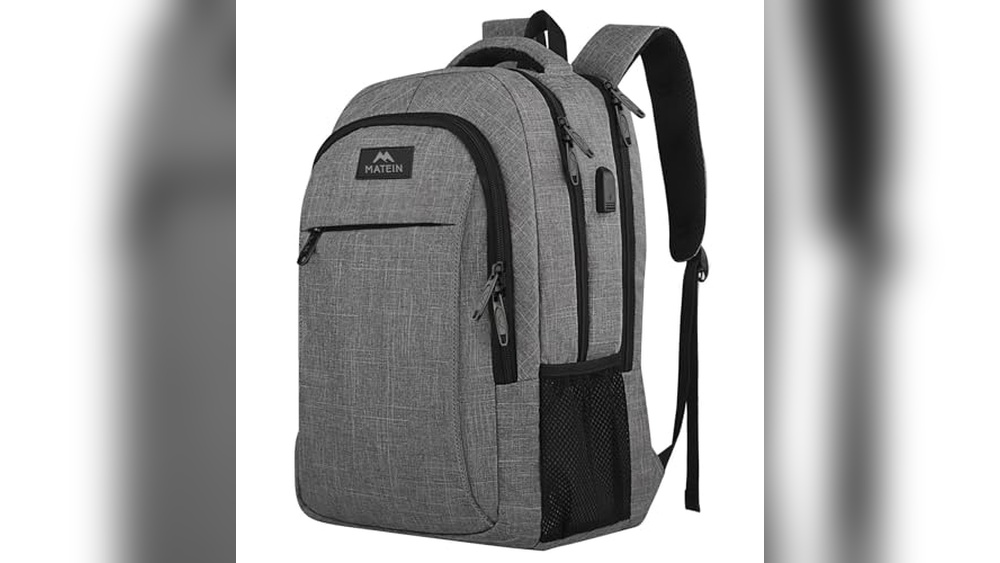
Your backpack is more than just a bag—it carries your essentials, your memories, and sometimes, your daily survival kit. When it rips, it feels like a small crisis.
But before you rush to buy a new one, what if you could fix it yourself? Sewing a ripped backpack isn’t as hard as it sounds, and you don’t need to be a sewing expert. In this guide, you’ll learn simple, step-by-step tips to repair your backpack quickly and make it strong again.
Keep reading, and you’ll save money, time, and maybe even your favorite bag. Ready to bring your backpack back to life? Let’s get started!
Materials Needed
Fixing a ripped backpack requires a few basic materials. These items help you repair the tear quickly and strongly. Having the right tools and supplies makes sewing easier and better.
Prepare everything before you start. This saves time and keeps your work neat. Here are the materials you need for a successful repair.
Essential Sewing Tools
First, gather basic sewing tools. You need a sharp needle suited for tough fabric. Scissors for cutting thread and patches are important. A thimble can protect your fingers. Pins or clips hold fabric in place while sewing.
Choosing The Right Thread
Select a strong thread that matches your backpack color. Polyester or nylon thread works well for outdoor gear. Avoid thin or weak thread. It may break and cause more damage. Choose thread that resists water and wear.
Picking Fabric Patches
Find fabric patches that match the backpack material. Nylon and canvas patches are common choices. The patch should be slightly larger than the rip. This ensures full coverage and strength. Iron-on patches offer quick fixes. Sew-on patches provide longer-lasting repairs.
Assessing The Damage
Before sewing a ripped backpack, start by assessing the damage carefully. This step helps decide how to fix the tear properly. It saves time and ensures the repair lasts longer. Take your time to examine the backpack inside and out. Check every part that feels weak or looks worn. This way, you understand the full extent of the damage.
Identifying Tear Types
Tears in backpacks come in different forms. Some rips are straight cuts, while others are jagged or frayed. Small holes may look easy to fix but need strong stitching. Large tears might require patching with extra fabric. Look closely at the edges of the tear. Are they clean or frayed? Clean cuts are simpler to sew. Frayed edges might need trimming before repair. Knowing the tear type guides your sewing technique choice.
Checking Backpack Structure
Damage may affect more than just the fabric. Check the seams where panels join. Seams can split or weaken over time. Look at zippers and straps for breaks or tears. Check the backpack’s lining for hidden holes. Weak areas around pockets need attention too. Press gently on the fabric to find thin spots. Repair those areas to prevent future rips. Understanding the backpack’s full condition helps plan a better repair.
Preparing The Backpack
Preparing your backpack before sewing is important. It helps the repair last longer and look neat. Take time to get the backpack ready. This step makes sewing easier and more effective.
Cleaning The Area
Start by cleaning the ripped area well. Dirt and dust can stop the thread from holding. Use a soft brush or cloth to remove all dirt. If the fabric is very dirty, wipe it with a damp cloth. Let it dry completely before sewing. Clean fabric helps the patch or stitches stick better.
Trimming Loose Threads
Next, cut off any loose threads around the rip. Loose threads can cause the sewing to tangle or look messy. Use small scissors to carefully trim these threads close to the fabric. This step gives a clean edge to work with. Clean edges make the repair stronger and more tidy.
Basic Sewing Techniques
Basic sewing techniques help fix a ripped backpack easily. Learning simple stitches makes repairs strong and neat. These stitches hold the fabric well and last long. Practice these stitches before starting your repair.
Here are two important stitches to know: the straight stitch and the backstitch. Each one has its own use and strength. Using the right stitch keeps your backpack safe to carry.
Straight Stitch Guide
The straight stitch is the easiest and most common stitch. It runs in a straight line across the fabric. Use this stitch to join two pieces of fabric together. Keep stitches even and close for the best hold. This stitch works well for light tears and simple fixes.
To sew a straight stitch, push the needle through the fabric, then pull it out. Repeat this in a straight line. Keep stitches about 1/8 inch apart. Use a sewing machine or sew by hand slowly for neat results.
Backstitch For Strength
The backstitch is stronger than the straight stitch. It makes a solid, continuous line of thread. Use it to fix heavy tears and areas under stress. This stitch helps the backpack hold weight without ripping again.
Start by sewing one stitch forward, then one stitch backward. Keep the stitches close to each other. This creates a tight seam that won’t come apart easily. The backstitch works well for backpack straps and heavy fabric areas.
Fixing Small Tears
Small tears in a backpack can get worse fast. Fixing them early saves the bag and your money. Small rips need simple sewing, not big repairs. This section shows easy ways to fix tiny tears quickly.
Sewing Without Patches
Some small tears do not need patches. Use a needle and thread to close the rip. Choose thread color close to the backpack fabric. Sew with small, tight stitches along the tear edge. Keep the fabric flat while sewing. This stops the tear from growing. Tie knots at the start and end for strength. This method keeps the repair neat and less visible.
Reinforcing Weak Spots
Weak spots around tears can break soon. Strengthen them to avoid new rips. Sew a few extra stitches around the tear edges. Use a zigzag stitch if your machine has it. Hand sew with a backstitch for extra hold. Avoid pulling the thread too tight. This keeps the fabric from puckering. Reinforcement makes the backpack last longer and hold heavy loads.
Repairing Large Rips
Large rips in a backpack need strong fixes to last long. Small stitches might not hold well. Use fabric patches or iron-on patches for better repair. These methods add strength and keep your backpack useful.
Applying Fabric Patches
Choose a patch that matches your backpack fabric. Cut it slightly bigger than the rip. Place the patch inside the backpack if possible. This hides the patch and protects it from wear.
Use strong thread and a needle for sewing. Sew around the patch edges with small stitches. Keep stitches close to avoid gaps. A tight stitch helps the patch hold well during use.
For extra strength, sew a cross pattern inside the patch. This stops the rip from growing again. Fabric patches work well for thick or heavy backpacks.
Using Iron-on Patches
Iron-on patches are easy and fast to apply. Choose a patch that fits the rip size. Clean the backpack surface and dry it completely. Place the patch over the rip with the glue side down.
Use an iron set to medium heat. Press the patch firmly for 30 seconds. Let it cool before moving the backpack. This helps the glue stick tightly to the fabric.
Iron-on patches work best on smooth and flat areas. Avoid using on curved or thin fabric parts. This method is good for quick fixes and small to medium rips.
Sealing Seams And Edges
Sealing seams and edges is a key step in fixing a ripped backpack. This step stops the tear from growing and keeps dirt out. A well-sealed backpack lasts longer and stays strong under pressure.
Proper sealing also protects the inside from water and dust. It makes your repair neat and tidy. Use the right tools and techniques to seal every seam and edge carefully.
Preventing Future Tears
Reinforce weak spots around the tear. Use extra fabric patches or strong thread. Sew with small, tight stitches for better hold. Avoid leaving gaps or loose ends in seams. Check other areas for signs of wear. Regularly inspect and fix small holes early. This helps keep your backpack in good shape.
Waterproofing Tips
Apply waterproof sealant on seams and edges. Use products made for fabric or nylon. Let the sealant dry fully before use. You can also use waterproof tape inside the backpack. This stops water from soaking through stitched areas. Waterproofing keeps your belongings dry in rain or snow.
Maintaining Your Backpack
Maintaining your backpack keeps it strong and lasts longer. Small care steps prevent big tears and wear. A well-kept backpack saves money and stress. Follow simple habits to protect your bag daily.
Regular Inspections
Check your backpack often for signs of damage. Look at seams, zippers, and straps carefully. Find small holes or loose threads early. Fix tiny problems before they grow. Regular checks help avoid sudden rips while using the bag.
Proper Storage Practices
Store your backpack in a dry, cool place. Avoid leaving it in direct sunlight or damp areas. Keep it empty and zipped when not in use. Hanging the bag helps keep its shape. Proper storage stops mold, fading, and fabric weakness.
Frequently Asked Questions
How Do I Choose Fabric To Sew A Ripped Backpack?
Select durable fabric like nylon or canvas matching your backpack’s material. This ensures strong, lasting repairs and consistent appearance.
What Tools Are Needed To Sew A Ripped Backpack?
You need a needle, strong thread, scissors, pins, and optionally a sewing machine for faster, neater stitching.
Can I Repair A Backpack Tear Without A Sewing Machine?
Yes, hand-sewing with a strong needle and thread is effective for small or precise repairs.
How Do I Prepare A Ripped Backpack For Sewing?
Clean the area, trim loose threads, and pin fabric edges together for smooth, secure stitching.
Conclusion
Sewing a ripped backpack saves money and extends its life. Small tears can become big problems if left alone. Take your time and follow each step carefully. Use strong thread and good needles for best results. A repaired backpack looks neat and works well again.
Keep practicing to improve your sewing skills. You can fix many things with simple stitches. Try it yourself and enjoy a useful, repaired backpack.