Want to explore the world without emptying your wallet? Backpacking cheap isn’t just a dream—it’s something you can make happen.
You might think traveling on a tight budget means missing out on fun or comfort, but that’s not true. With the right tips and tricks, you can save money and still have an amazing adventure. Keep reading, and you’ll discover simple ways to cut costs, find great deals, and travel smarter.
Your next unforgettable trip is closer than you think.
Planning On A Budget
Planning a backpacking trip on a budget starts with smart choices. Careful preparation can save money and reduce stress. Focus on where, when, and how much to spend before the trip. Small steps make a big difference in your travel costs.
Choosing Affordable Destinations
Pick places where daily costs are low. Some countries have cheap food, transport, and lodging. Avoid popular tourist spots with high prices. Explore less-known towns and rural areas. These offer rich experiences without heavy expenses.
Traveling Off-season
Travel during off-peak months to save money. Prices for flights and hotels drop in quieter times. You will avoid large crowds too. Off-season travel can mean better deals and more local life. Check weather and events before choosing your dates.
Setting A Realistic Budget
Plan how much money you can spend daily. Include transport, meals, accommodation, and activities. Leave a small amount for emergencies or extras. Track your expenses while traveling to avoid overspending. A clear budget keeps your trip stress-free and fun.
Saving On Transportation
Saving money on transportation is key to backpacking cheap. Travel costs can take up a big part of your budget. Smart choices help you keep more cash for fun and food. This section shows easy ways to cut travel expenses. From flights to local rides, every bit counts.
Finding Cheap Flights
Book flights early for the best prices. Use flight comparison sites to spot deals fast. Fly on weekdays or during off-peak hours to save more. Consider nearby airports for cheaper tickets. Set alerts to catch price drops. Low-cost airlines often offer good rates but check luggage rules.
Using Public Transport
Public buses and trains cost less than taxis or rental cars. Buy daily or weekly passes to save if you travel a lot. Study routes before you start to avoid mistakes. Night buses run in many cities and stay affordable. Public transport helps you meet locals and experience real life.
Hitchhiking And Ridesharing
Hitchhiking is free and common in some areas. Always stay safe and trust your instincts. Use ridesharing apps to split costs with other travelers. Many drivers offer rides for lower prices than taxis. This method helps save money and meet new people on the road.
Affordable Accommodation
Finding affordable accommodation is key to cheap backpacking. Staying in budget places lets you save money for experiences and food. Many travelers choose options that are friendly to the wallet and offer a chance to meet others.
These options vary from shared rooms to free stays. Each has its own benefits and can fit different travel styles.
Hostels And Guesthouses
Hostels offer beds in shared dorms or private rooms at low cost. They often have kitchens, lounges, and social events. Guesthouses provide simple rooms with local charm. Both are great for meeting other travelers and getting tips about the area.
Booking early can secure the best prices. Many hostels also offer discounts for longer stays.
Camping And Couchsurfing
Camping is one of the cheapest ways to stay overnight. Public campsites and national parks usually have low fees. Bringing your own gear cuts costs further.
Couchsurfing connects travelers with locals who offer free stays. It is a way to save money and learn about the culture. Always read reviews and communicate clearly before confirming a stay.
House Sitting And Work Exchange
House sitting lets you stay in someone’s home for free while they are away. Tasks usually include pet care or plant watering. It requires trust and responsibility but can save a lot of money.
Work exchange programs offer free accommodation in return for work. Jobs might include cleaning, cooking, or gardening. These programs help travelers reduce costs and gain new skills.
Eating Without Breaking The Bank
Eating without spending too much is a smart way to save money while backpacking. Food can take a big part of your budget. Simple choices can help you eat well and save cash. This means more money for adventures and fun.
Plan meals that are easy and cheap. Find local places where food costs less. Stay away from spots that charge more for tourists. These tips keep your belly full and your wallet happy.
Cooking Your Own Meals
Buy fresh ingredients from markets or small shops. Cooking your own food is cheaper than eating out. Use a portable stove or a shared kitchen in hostels. Simple meals like pasta, rice, or eggs work great.
Cooking saves money and lets you eat what you like. It also gives you a break from restaurant prices. Carry basic spices and oil to add flavor. This way, you enjoy good food without spending a lot.
Eating Like A Local
Find small food stalls or street vendors. Locals often eat there, so prices are low. Try popular local dishes for an authentic taste. These meals are usually fresh and filling.
Ask locals for their favorite cheap spots. Avoid fancy restaurants that serve tourists. Eating local food helps you experience culture and save money. Plus, it makes your trip more interesting.
Avoiding Tourist Traps
Tourist areas often have higher food prices. Menus may look tempting but cost a lot. Walk a few blocks away to find cheaper options. Look for places full of locals rather than tourists.
Check reviews or ask other travelers for advice. Avoid restaurants with big signs or flashy ads. These spots focus on tourists, not on budget travelers. Eating smart means spending less and enjoying more.
Packing Smart And Light
Packing smart and light saves money and stress on a backpacking trip. Carrying less weight makes traveling easier and cheaper. You avoid extra baggage fees and can move quickly. Focus on bringing only what you really need. Choose items that serve many purposes. This approach helps keep your backpack small and light.
Essential Gear For Budget Travel
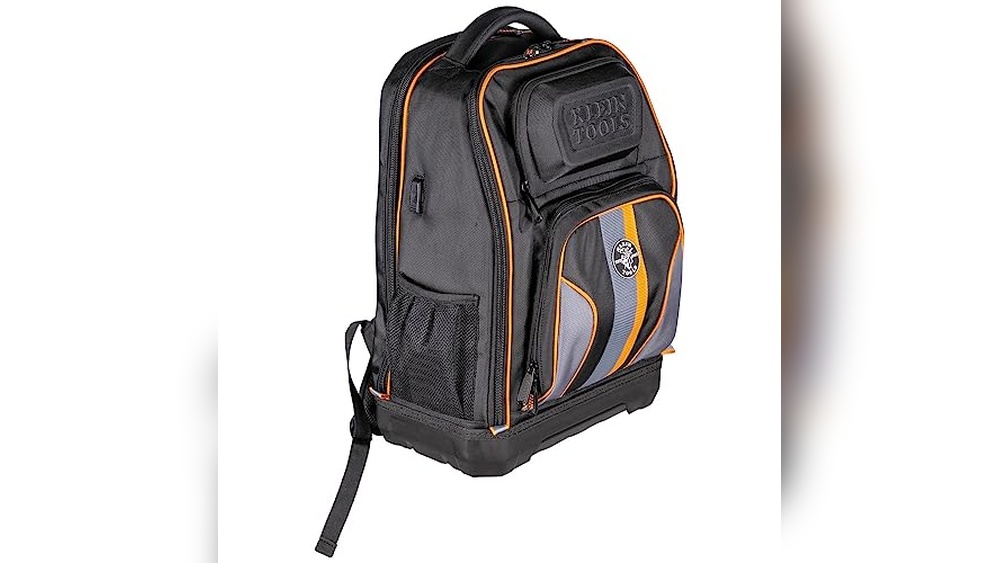
Pick gear that fits your travel needs and budget. A sturdy backpack with good support is key. Bring a lightweight sleeping bag or liner for comfort. Choose quick-dry clothes to wash and wear often. A reusable water bottle saves money and reduces waste. Don’t forget a small first aid kit for emergencies. Pack a basic travel towel—it dries fast and packs small.
Avoiding Extra Fees
Light packing helps dodge airline baggage fees. Check weight limits before packing. Use a carry-on bag to skip checked luggage costs. Pack liquids in travel-size containers under 100 ml. Wear your heaviest shoes and clothes on the plane. This frees space and reduces bag weight. Avoid souvenirs that add bulk or weight to your pack.
Packing Multi-use Items
Choose items that work for many uses. A sarong can be a towel, blanket, or scarf. Multi-tools replace several single tools in one compact piece. A smartphone serves as camera, map, and guidebook. Pack clothes you can layer for warmth or coolness. A travel jacket with many pockets reduces extra bags. Multi-use items save space and make your pack lighter.
Free And Low-cost Activities
Traveling on a tight budget does not mean missing out on fun experiences. Many places offer free or cheap activities that let you enjoy local culture and nature. These options help you save money and make your trip more memorable.
Exploring Nature
Nature is often free to explore. Parks, beaches, and hiking trails provide beautiful views and fresh air. Spend time walking in forests or along rivers. Take photos, watch birds, or simply relax outside. Nature helps you feel calm and connected.
Local Festivals And Events
Many towns host free festivals and events. These celebrations show local music, food, and traditions. Visit markets, fairs, or cultural shows. Enjoy the lively atmosphere and meet locals. Festivals offer a rich experience without spending much.
Free Walking Tours
Free walking tours are a great way to learn about a city. Guides share stories about history, art, and landmarks. Walking around helps you see hidden spots not in guidebooks. Join a group tour or use online maps for self-guided walks. It’s an affordable way to explore.
Staying Safe On A Budget
Traveling on a budget can be fun and rewarding. Safety should always come first. You can protect yourself without spending too much money. Smart choices keep you safe and save cash. Here are tips to stay safe while backpacking cheap.
Travel Insurance Options
Travel insurance helps cover unexpected problems. Look for basic plans with essential coverage. Check online for affordable options. Some cards offer free travel insurance too. Always read what is covered and what is not. A small investment can save big costs later.
Keeping Valuables Secure
Keep your important items close and hidden. Use money belts or neck pouches under clothes. Avoid showing expensive gadgets in crowded places. Use locks on your backpack or hostel lockers. Keep copies of important documents on your phone or cloud. Stay alert to people around you.
Health Tips For Budget Travelers
Drink bottled or boiled water to avoid sickness. Carry a small first aid kit with basics. Wash hands often with soap or sanitizer. Rest well to keep your energy up. Avoid street food that looks unhygienic. Vaccinate before travel based on your destination. Health saves money on doctor visits abroad.
Using Technology To Save
Technology helps travelers save money in many ways. It makes planning easy and cheap. Apps and websites offer tools to find the best prices fast. Using these tools cuts costs on travel, food, and stay. Here are some ways to use technology to save on your backpacking journey.
Budget Travel Apps
Budget travel apps help you track expenses and find deals. Apps like Trail Wallet and Splitwise keep your spending in check. They show where your money goes. Other apps find cheap flights and buses. Skyscanner and Rome2rio show many travel options. These apps help you plan trips without spending too much.
Online Deals And Discounts
Many websites offer discounts on hostels, tours, and food. Sites like Groupon and Travelzoo list daily deals. You can save a lot on activities and meals. Some airlines and hotels have special online offers too. Signing up for newsletters alerts you to sales. Watch for promo codes before you book anything.
Digital Nomad Resources
Digital nomad resources provide tips for living and working cheaply abroad. Platforms like Nomad List show affordable cities and coworking spaces. Forums and blogs share advice on saving money. These resources help you find cheap internet and safe places. Using them lowers your daily costs while traveling.
Frequently Asked Questions
How Can I Find Cheap Accommodation While Backpacking?
Look for hostels, guesthouses, and budget hotels. Use booking apps for discounts. Consider Couchsurfing or camping to save more.
What Are The Best Tips To Save Money On Food?
Buy groceries and cook your meals. Eat street food or local markets. Avoid touristy restaurants to cut food costs.
How Do I Travel Cheaply Between Destinations?
Use public transport like buses and trains. Book tickets early for discounts. Consider hitchhiking or ridesharing for extra savings.
What Essential Gear Should I Pack For Cheap Backpacking?
Pack light with multi-use items. Choose durable, budget-friendly gear. Avoid overpacking to save on baggage fees.
Conclusion
Backpacking cheap is all about smart choices and planning ahead. Save money by picking budget stays and cooking your meals. Travel light to avoid extra fees and move easily. Use public transport to cut costs and meet locals. Stay open to new experiences without spending much.
This way, you enjoy your trip fully and affordably. Start your adventure with confidence and keep your wallet happy. Simple steps make travel fun and cheap for everyone.