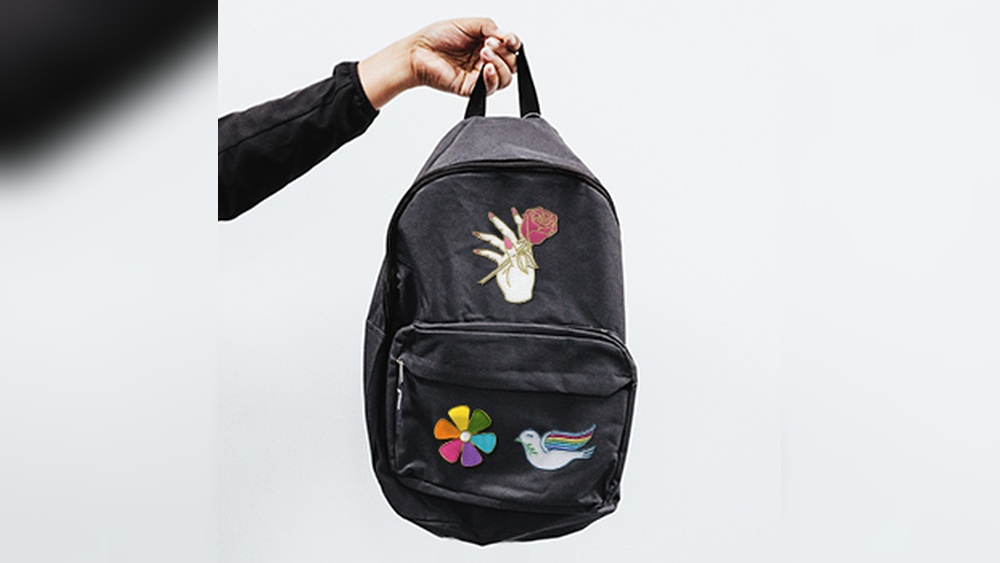
Want to make your backpack truly yours? Adding patches is a simple way to show off your style, memories, or causes you care about.
But how do you attach them so they stay put and look great? Whether you’re new to this or want a better method, this guide will walk you through easy steps to secure your patches perfectly. Keep reading to transform your backpack into a unique statement piece you’ll love carrying every day.
Choosing The Right Patch
Choosing the right patch for your backpack is important. The patch should match your style and the bag’s use. Picking the right patch helps it last longer. It also makes your backpack look great.
Types Of Patches
There are many patch types. Embroidered patches have colorful threads and a raised feel. They are strong and classic. Printed patches have smooth surfaces with detailed images. They show fine designs well. Woven patches are thin and flat. They offer clear lines and fine details. PVC patches are rubbery and water-resistant. They work well for outdoor backpacks.
Material Considerations
Patches come in different materials. Choose a patch that fits the backpack fabric. Embroidered patches suit canvas and denim well. Printed patches work on many surfaces but may wear faster. PVC patches resist water and rough use. Check if the patch has a backing. Iron-on patches have glue that melts with heat. Sew-on patches need stitching for strong hold.
Size And Shape Options
Patch size affects the look. Small patches add subtle style. Large patches make bold statements. Choose shapes that fit your backpack space. Circles, squares, and rectangles are common. Custom shapes match logos or designs. Keep size balanced with backpack size. Avoid very large patches on small bags. Consider where you want to place the patch.
Credit: hitherandthither.net
Selecting Attachment Methods
Selecting the right way to attach patches is key to a strong hold and good look. Patches come in many types and sizes. Choosing the best method helps keep patches secure and lets you change styles easily. Some methods work better for heavy use, others for quick fixes.
Consider the fabric of your backpack and the patch material. Think about how often you will wash the backpack. Also, decide if you want to remove or move the patch later. These points guide your choice of attachment method.
Sewing Patches
Sewing is the strongest way to attach patches. Use a needle and thread to stitch around the patch edges. This keeps patches secure during heavy use. Sewing works well on thick backpack fabrics. It takes time but lasts long. Hand sewing or a sewing machine both work well.
Iron-on Technique
Iron-on patches stick with heat-activated glue. Place the patch on the backpack. Press with a hot iron for 30 seconds. The glue melts and bonds the patch to fabric. Iron-on is quick and easy. It fits most backpacks but may peel after washing. Not ideal for thick or waterproof fabrics.
Using Fabric Glue
Fabric glue offers a no-sew option for patches. Apply glue to the patch back and press on the backpack. Let it dry for several hours. This method is simple and fast. It works best for small patches or temporary use. Choose waterproof glue for outdoor backpacks.
Velcro And Snap Fasteners
Velcro lets you remove and change patches easily. Sew or glue one side of Velcro to the backpack and the other to the patch. Snap fasteners work the same way but use metal snaps. Both methods add flexibility and quick patch changes. Ideal for kids’ backpacks or collectors.
Preparing The Backpack
Preparing the backpack is the first step before attaching patches. It helps the patch stick well and last long. Taking time to get the backpack ready makes the whole process easier and cleaner.
Two important tasks in this stage are cleaning the surface and marking patch placement. These steps ensure the patch looks great and stays in place.
Cleaning The Surface
Start by wiping the backpack with a damp cloth. This removes dust, dirt, and oils that stop patches from sticking. Use mild soap if the backpack is very dirty. Let the surface dry completely before adding the patch. A clean surface helps glue or stitching hold better.
Marking Patch Placement
Decide where the patch will go on the backpack. Use a pencil or fabric chalk to mark the spot lightly. Check the patch size and shape to fit well. Marking helps avoid mistakes and keeps patches straight. Take your time to get the position right before attaching.

Credit: dynamicsubspace.net
Step-by-step Patch Application
Attaching patches to a backpack is a fun way to show your style. Follow clear steps for a neat and strong finish. Choose the method that fits your patch and backpack best. Each technique has easy instructions to help you get it right.
Sewing Process
Start by placing the patch where you want it. Use a needle and thread that matches the patch edge. Stitch around the patch with small, even stitches. Keep the thread tight but not too tight. Tie a knot at the end to secure it. This method is very strong and lasts long.
Iron-on Application Tips
Check if your patch has an iron-on backing. Place the patch on the backpack. Cover it with a thin cloth to protect it. Press the iron down firmly for 30 seconds. Do not move the iron back and forth. Let it cool before checking if it sticks well.
Applying Fabric Glue
Pick a fabric glue made for textiles. Apply glue evenly on the back of the patch. Press the patch on the backpack firmly. Hold it in place for a few minutes. Allow the glue to dry fully, usually 24 hours. This method is quick and easy.
Attaching With Velcro
Cut Velcro strips to fit the patch size. Stick one strip on the patch back. Attach the matching strip on the backpack. Press both sides together firmly. Velcro lets you remove or switch patches fast. Ideal for changing designs often.
Caring For Your Customized Backpack
Caring for your customized backpack helps it last longer. Patches add personality but need some care. Clean and maintain your backpack to keep patches looking great. Proper care protects fabric and stitching. Follow simple steps to keep your backpack fresh and strong.
Washing Instructions
Remove loose dirt with a soft brush or cloth. Spot clean the backpack with mild soap and water. Avoid soaking the patches directly. Use cold water to prevent colors from fading. Hand wash is best to protect patches and fabric. Let the backpack air dry in shade. Do not use a dryer or iron on patches.
Repair And Maintenance Tips
Check patches regularly for loose edges or threads. Sew loose patches back carefully with needle and thread. Use fabric glue for quick fixes on small areas. Avoid heavy strain on patched sections to prevent damage. Store the backpack in a dry place to avoid mold. Regular care keeps your backpack looking new and strong.

Credit: theflainstravel.com
Creative Patch Placement Ideas
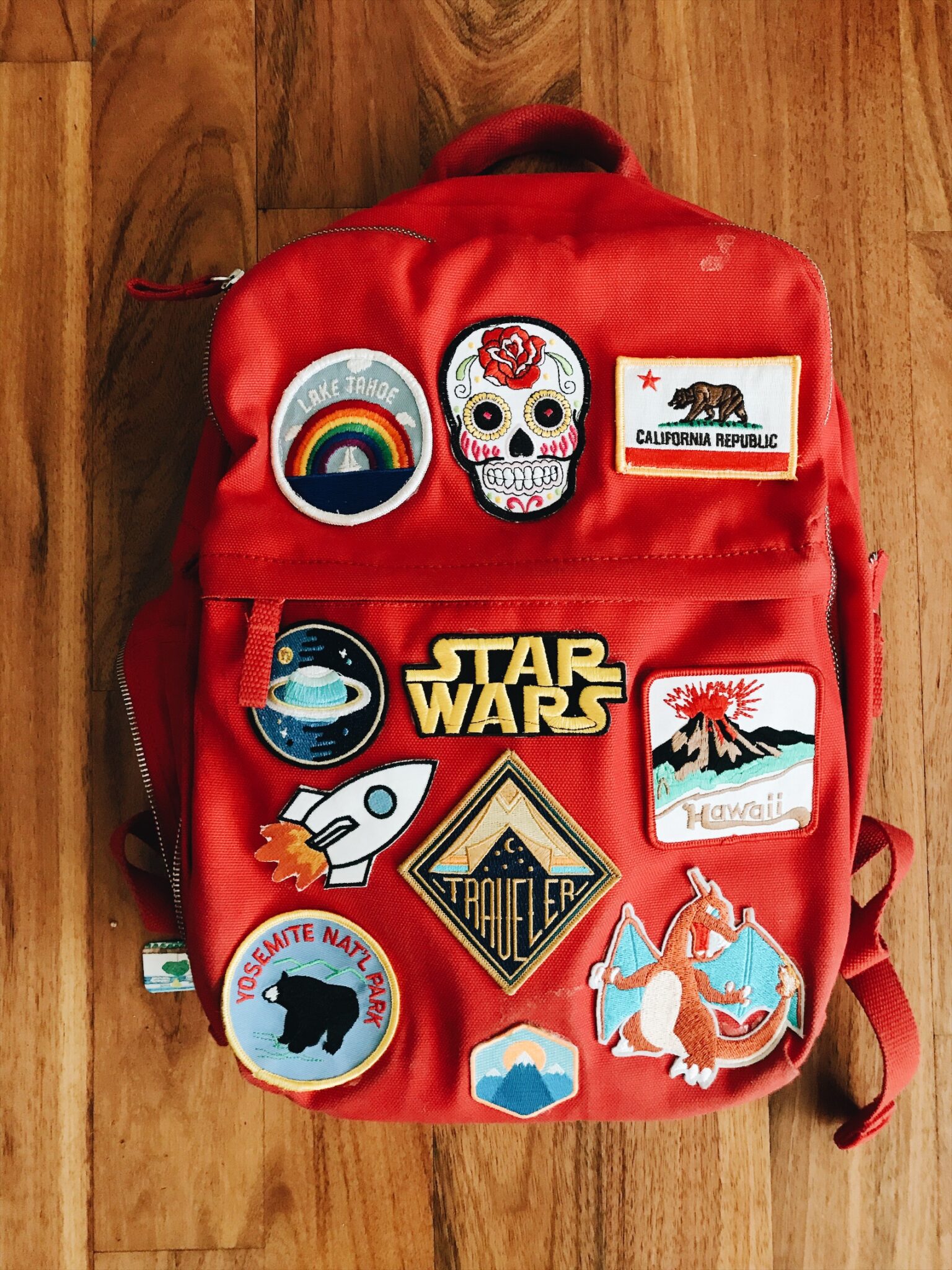
Creative patch placement brings your backpack to life. It shows personality and style. Choosing where and how to place patches makes your bag unique. Think beyond simple rows or random spots. Use ideas that make your backpack a cool statement piece.
Themed Arrangements
Group patches with similar themes together. For example, nature patches like trees, mountains, and animals. Or group music patches such as instruments and notes. This creates a clear story on your backpack. It draws attention and makes the design neat.
Themed arrangements help you express your interests. They also make your backpack easier to style with outfits. Pick a theme you love and find matching patches. Arrange them so they form a shape or line. This looks intentional and eye-catching.
Layering Techniques
Layer patches by placing smaller ones over bigger patches. This adds depth and texture to your backpack. Overlap corners or edges carefully to avoid bulk. Layering makes your design look dynamic and creative.
Try placing a round patch on top of a square one. Or layer a bright patch over a muted background patch. Play with different sizes and colors for a bold effect. This technique turns simple patches into a cool collage.
Mixing Patch Styles
Combine different patch styles for a fresh look. Use embroidered, woven, and printed patches together. Mix vintage and modern designs to create contrast. This approach adds variety and interest to your backpack.
Match patches by color to keep balance. Use different shapes to avoid a flat look. Mixing styles shows your creativity and makes your bag stand out. Experiment with combinations until you find the perfect mix.
Frequently Asked Questions
How Do I Sew Patches Onto A Backpack?
To sew patches, use a needle and strong thread matching the patch color. Secure edges with small, tight stitches for durability and neatness.
Can I Use Glue To Attach Patches On Backpacks?
Yes, fabric glue works for temporary patch attachment. It’s quick but less durable than sewing, especially on heavy-use backpacks.
What Is The Best Placement For Patches On Backpacks?
Place patches on flat, visible areas like the front pocket or main flap. Avoid seams or curved surfaces for better adhesion and appearance.
How To Remove Patches From A Backpack Safely?
Carefully cut the stitches or peel glued patches slowly. Use a seam ripper or gentle heat for glue removal without damaging the backpack.
Conclusion
Attaching patches to your backpack can be simple and fun. Choose the right method for your patch and backpack type. Take your time to sew or iron carefully. This helps your patch stay strong and last longer. Personalizing your backpack shows your style and story.
Keep your backpack looking fresh by checking patches often. Try different patches to create a unique look. Enjoy your customized backpack every day!