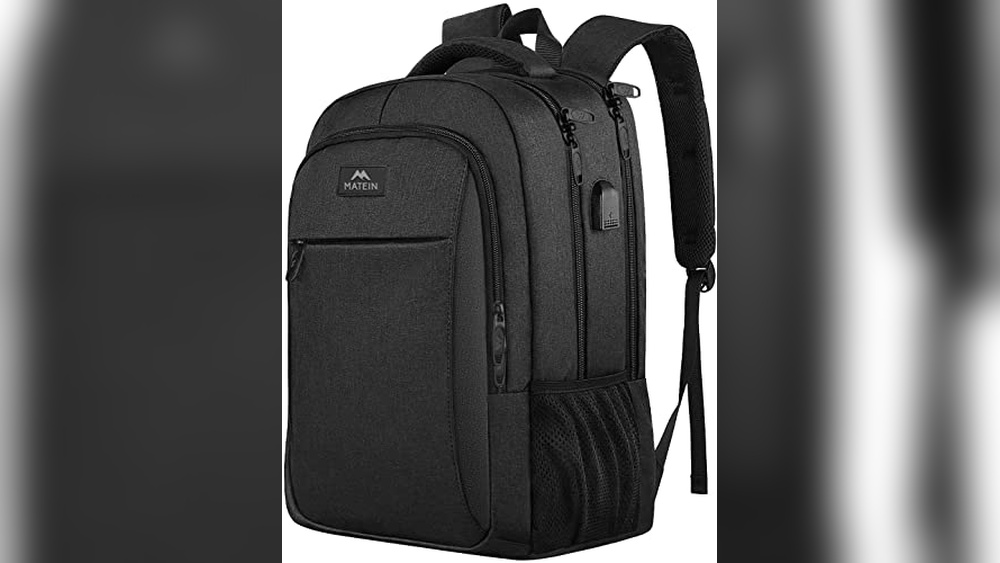
Have you ever faced the frustration of a broken backpack zipper? It can turn a simple day out into a hassle.
But what if you could fix it yourself and save time and money? Learning how to sew a zipper on a backpack is easier than you think. In this guide, you’ll discover step-by-step instructions that anyone can follow. By the end, your backpack will look and work like new.
Ready to take control and give your backpack a quick, lasting fix? Let’s get started!
Choosing The Right Zipper
Choosing the right zipper is key to making a backpack that lasts. A zipper must match the style and strength of the backpack. Picking the wrong one can cause trouble later. This guide helps you find the best zipper for your sewing project.
Types Of Zippers
Zippers come in many types. The most common are coil, metal, and plastic molded zippers. Coil zippers are light and flexible. Metal zippers are strong and stylish. Plastic molded zippers are tough and water-resistant. Choose the type that fits your backpack’s use and look.
Zipper Length And Material
Measure your backpack opening to find the right zipper length. Too short or too long will not work well. Zippers come in different materials like nylon, polyester, and metal. Nylon zippers are smooth and quiet. Metal zippers are heavy but durable. Pick a length and material that suits your backpack design.
Matching Zipper With Fabric
The zipper must fit the fabric weight. Heavy fabrics need strong, sturdy zippers. Light fabrics work best with light, flexible zippers. Also, consider the color. Pick a zipper color that blends or contrasts nicely with your fabric. This makes your backpack look neat and well-made.
Gathering Tools And Materials
Before sewing a zipper on a backpack, gather all necessary tools and materials. Having everything ready helps the process go smoothly. It saves time and avoids frustration. Understanding what you need is the first step to success.
Essential Sewing Supplies
- A zipper matching the backpack size and color.
- Heavy-duty sewing needle for thick fabric.
- Strong polyester or nylon thread.
- Fabric scissors to cut fabric and thread cleanly.
- Seam ripper to remove any mistakes.
- Measuring tape for precise zipper placement.
- Chalk or fabric marker to mark sewing lines.
- Pins or clips to hold fabric and zipper together.
Optional Helpful Tools
- Sewing machine with a zipper foot for faster stitching.
- Thimble to protect fingers while hand sewing.
- Iron and ironing board to press fabric flat.
- Self-healing cutting mat for clean cuts.
- Double-sided tape to keep zipper in place.
- Seam gauge for accurate seam allowances.
Preparing The Backpack
Preparing the backpack is the first step to sewing a new zipper. This stage makes sure the zipper fits well and works smoothly. Taking time here saves effort later.
Removing Old Zipper
Start by carefully removing the old zipper. Use a seam ripper or small scissors. Cut the stitches holding the zipper to the fabric. Pull the zipper out gently. Avoid tearing the backpack material. Removing the old zipper cleanly helps in placing the new one better.
Cleaning And Inspecting The Area
After removing the old zipper, clean the area well. Use a soft brush or cloth to remove loose threads and dirt. Check the fabric for any damage or weak spots. Look closely for holes or frays. Fix small tears before sewing the new zipper. A clean, strong surface makes sewing easier and the zipper more durable.
Marking The Zipper Placement
Marking the zipper placement is a key step in sewing a backpack. It ensures the zipper fits perfectly and works smoothly. Taking time to measure and mark the right spot avoids mistakes later. This step helps the zipper look neat and function well.
Measuring And Aligning
Start by measuring the area where the zipper will go. Use a ruler or measuring tape. Mark both ends of the zipper line with a pencil or fabric chalk. Make sure the line is straight and even. Check the backpack’s shape to align the zipper properly. This keeps the zipper balanced and centered.
Pinning The Zipper In Place
After marking, pin the zipper along the line. Use sewing pins to hold it firmly. Pin the zipper tape to the fabric on both sides. Place pins close together to avoid shifting. Double-check the zipper’s position before sewing. Pinning helps keep the zipper steady and easy to sew.
Sewing The Zipper
Sewing the zipper on a backpack is an important step. It holds the bag together and lets you open and close it easily. This part takes care and focus. Follow the steps carefully for a strong, neat zipper.
Start by setting up your sewing machine and zipper. Use the right tools and take your time. This will make the zipper fit well and work smoothly.
Using A Zipper Foot
A zipper foot helps sew close to the zipper teeth. Attach it to your sewing machine. This foot keeps the needle near the edge without hitting the zipper.
Use a zipper foot on both sides of the zipper. It gives control and lets you sew straight. Make sure the fabric lies flat under the foot.
Stitching One Side
Place the zipper on the backpack fabric. Align the zipper edge with the fabric edge. Pin or clip it to hold in place.
Sew slowly from top to bottom. Keep the stitches straight and close to the zipper teeth. Backstitch at the start and end to secure.
Attaching The Other Side
Flip the fabric and zipper open. Align the other zipper edge with the other fabric side. Pin or clip carefully.
Sew the second side the same way. Use the zipper foot for a clean line. Check the zipper moves freely after sewing.
Securing The Ends
Sew extra stitches at each zipper end. This stops the zipper from coming loose. Use a few backstitches for strength.
Trim any loose threads. Check the zipper works smoothly. Your backpack zipper is now ready to use.
Finishing Touches
After sewing the zipper on your backpack, the final steps are important. These finishing touches make sure the zipper works well and lasts long. Taking time to check and tidy up helps your backpack look neat and professional.
Testing The Zipper Function
Open and close the zipper several times. Check for smooth movement without sticking. Make sure the zipper stops at the ends properly. This test avoids surprises when using your backpack daily.
Trimming Threads
Cut any loose threads near the zipper. Use sharp scissors for a clean cut. Removing excess threads prevents snagging and keeps the backpack tidy. Take care not to cut too close to the stitches.
Reinforcing Stitches
Strengthen the zipper by adding extra stitches at the ends. Use small backstitches for better hold. This step prevents the zipper from pulling away from the fabric. Reinforcing stitches increase the backpack’s durability and use time.
Tips For A Professional Look
Sewing a zipper on a backpack looks much better with simple professional tips. These small details make your work neat and strong. Follow easy steps to improve your sewing results. Your zipper will look clean and last longer.
Choosing Thread Color
Select thread color close to the backpack fabric. This hides stitches and gives a smooth look. Bright or contrasting colors catch attention but may look messy. Match the thread with zipper tape for a blended finish. Use high-quality thread for durability.
Maintaining Even Seams
Keep seams straight and consistent in width. Use a zipper foot on your sewing machine for better control. Pin or clip the zipper before sewing to avoid shifting. Sew slowly and check alignment often. Even seams make the zipper lay flat and work well.
Avoiding Common Mistakes
Do not sew over zipper teeth; it jams the zipper. Avoid pulling fabric while sewing to prevent puckers. Check zipper length matches opening before stitching. Trim loose threads for clean edges. Test the zipper several times to ensure smooth movement.
Frequently Asked Questions
How Do I Choose The Right Zipper For A Backpack?
Select a zipper that matches the backpack’s size and fabric strength. Opt for durable, heavy-duty zippers for outdoor use. Ensure the zipper length fits the opening perfectly for smooth operation.
What Tools Are Needed To Sew A Zipper On A Backpack?
You need a sewing machine, zipper foot, pins, scissors, thread, and a fabric marker. These tools help align and sew the zipper accurately and securely.
Can I Sew A Zipper On A Backpack Without A Machine?
Yes, hand sewing a zipper is possible using a strong needle and thread. Use backstitch for durability and ensure tight, even stitches for a neat finish.
How Do I Prevent The Zipper From Getting Stuck?
Apply a zipper lubricant or rub a bar of soap along the teeth. Avoid forcing the zipper and keep fabric away from the zipper path while sewing.
Conclusion
Sewing a zipper on a backpack is easier than it seems. Take your time and follow each step carefully. Use the right tools for better results. Practice makes your sewing neat and strong. Soon, you will fix or add zippers with confidence.
Enjoy your improved backpack and the skills you gained. Keep practicing to make your sewing faster and smoother. This simple skill saves money and adds personal touch. Try sewing zippers on other items too. You can do it!