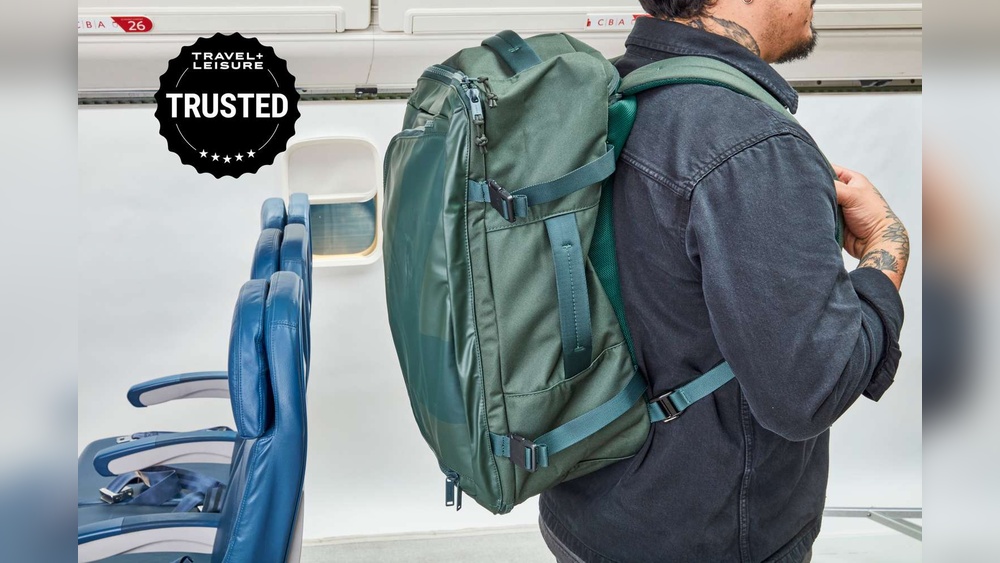
Are you tired of struggling to carry your backpack while riding your bike? Finding the right way to secure your backpack on a bike rack can make all the difference in comfort and safety.
Imagine riding without worrying that your bag will fall or get damaged. You’ll discover simple, effective tips to carry your backpack securely on a bike rack. By the end, you’ll be ready to hit the road with confidence, knowing your gear is safe and stable.
Keep reading to learn how to make your bike rides easier and more enjoyable!
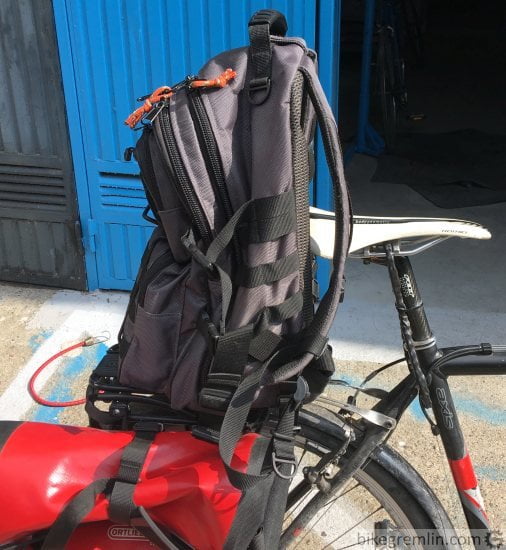
Credit: bike.bikegremlin.com
Choosing The Right Backpack
Choosing the right backpack is key for carrying it on a bike rack. It affects comfort, safety, and ease of use. A good backpack fits well and stays secure while you ride. Consider size, material, and protection features before buying.
Size And Weight Considerations
Pick a backpack that is not too big or heavy. Large backpacks can unbalance your bike. Heavy loads strain your back and the rack. Choose a size that holds your items without extra bulk. A lighter backpack makes riding easier and safer.
Material And Durability
Strong material helps your backpack last longer. Look for tough fabrics like nylon or polyester. These resist tears and wear from daily use. Durable backpacks protect your belongings on rough roads. Check stitching and zippers for quality and strength.
Water Resistance Features
Water resistance keeps your items dry in rain. Waterproof coatings or materials help block water. Some backpacks have rain covers for extra protection. Choose one that shields your gear during wet rides. This feature is important for all weather conditions.

Credit: kidsrideshotgun.com
Selecting A Suitable Bike Rack
Selecting the right bike rack is key to carrying a backpack safely. The rack must hold your backpack well without damaging the bike. Choose a rack that fits your bike type and your carrying needs. This makes your ride smoother and safer.
Types Of Bike Racks
Bike racks come in several styles. Some attach to the rear, others to the front or the seat post. Rear racks are common and hold backpacks securely. Front racks help balance weight but hold less. Seat post racks suit smaller loads and are easy to install.
Weight Capacity
Check the rack’s weight limit before buying. Your backpack and its contents must not exceed this limit. Overloading a rack can cause damage or accidents. Choose a rack with a capacity slightly higher than your backpack’s weight for safety.
Compatibility With Your Bike
Not all racks fit every bike. Some fit only road bikes, others suit mountain or hybrid bikes. Look for racks designed for your bike’s frame and wheel size. Proper fit ensures the rack stays stable and secure during your ride.
Preparing Your Backpack
Preparing your backpack properly makes carrying it on a bike rack safer and easier. It helps keep your load stable and prevents damage to your gear. Organizing and securing your bag before attaching it to the rack is key.
Packing For Balance
Place heavy items at the bottom and center of your backpack. This lowers the center of gravity. Keep lighter items on top to avoid shifting. Balance the weight evenly to stop the bag from leaning to one side. A balanced pack improves bike handling and safety.
Securing Loose Straps
Tuck in or tie loose straps to avoid catching on bike parts. Flapping straps can distract or cause accidents. Use small clips or elastic bands to keep straps close to the bag. Neat straps reduce noise and keep your load compact.
Using Compression Bags
Compression bags reduce the size of bulky items like clothes or sleeping bags. They keep your backpack tidy and easier to fit on the rack. Squeeze air out before sealing the bag for a tighter pack. This method saves space and keeps gear dry.
Attaching The Backpack To The Rack
Attaching a backpack to a bike rack needs care and the right technique. A secure attachment keeps your bag safe and your ride smooth. It also stops the backpack from moving or falling during the trip. Follow these steps to fix your backpack firmly on the rack.
Positioning The Backpack
Place the backpack flat on the bike rack. The back of the backpack should face the bike seat. Make sure the bag does not hang over the sides. Keep the weight centered for better balance. Check that no part blocks the rear lights or reflectors.
Using Bungee Cords And Straps
Use bungee cords or strong straps to hold the backpack. Wrap them around the rack and the bag tightly. Hook or clip the ends securely. Avoid loose cords; they can catch on objects or the wheels. Use more than one strap for heavy backpacks. This keeps the bag stable and safe.
Double-checking Stability
Shake the backpack gently to test its hold. It should not move or slide on the rack. Check all straps and cords for tightness again. Look for any weak points or loose ends. Adjust if needed to ensure a firm fit. A stable backpack means a safer and more comfortable ride.
Safety Tips For Riding With A Backpack
Riding a bike with a backpack on a rack needs care to stay safe. The backpack changes how the bike moves. This can affect balance and control. Following safety tips helps avoid accidents and keeps the ride smooth.
Adjusting Your Riding Style
Carry your backpack low on the rack. This keeps the bike stable. Ride slower than usual, especially on turns. Sudden moves can cause the bike to tip. Use both brakes gently to avoid skidding. Stay alert to road bumps and obstacles. They can shake the backpack and affect balance.
Regularly Inspecting The Attachment
Check the backpack’s straps and hooks before each ride. Make sure they are tight and secure. Loose straps can cause the pack to shift or fall. Look for wear or damage on the rack and connectors. Replace any weak parts immediately. This prevents accidents caused by falling gear.
Avoiding Overloading
Do not pack too much weight in the backpack. Heavy loads make the bike hard to control. Follow the rack’s weight limit, usually found in the manual. Distribute weight evenly inside the backpack. This helps keep the bike balanced. Lighten the load for long rides or rough paths.
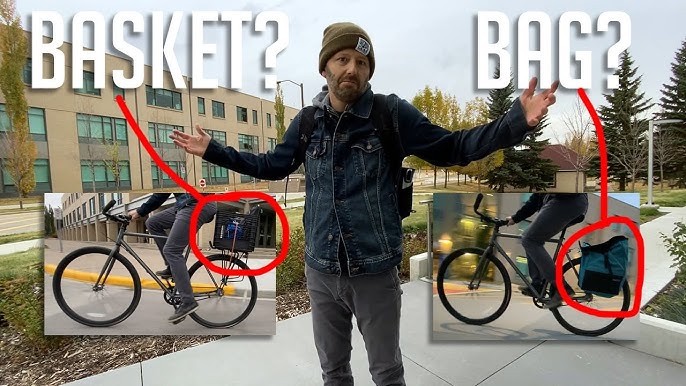
Credit: www.youtube.com
Alternative Carrying Methods
Carrying a backpack on a bike rack is not the only option. Several alternative methods can make your ride easier and safer. These methods help balance weight and keep your backpack secure. Each option suits different types of trips and gear. Explore these alternatives for a comfortable cycling experience.
Using Panniers Or Saddlebags
Panniers and saddlebags attach directly to your bike rack. They provide extra space and keep your load stable. These bags protect your items from rain and dust. Using panniers frees your back from carrying heavy weight. You can easily remove them when you stop. This method is excellent for long rides and heavy loads.
Backpack With A Bike-specific Design
Some backpacks are designed for bike use. They have special straps and padding for comfort. These backpacks fit better on your back while cycling. They also include reflective strips for safety. Bike-specific backpacks reduce sweat and pressure on your shoulders. This design helps keep your balance and makes cycling easier.
Trailer Attachments
Bike trailers offer a way to carry large or heavy gear. They connect to the rear axle of your bike. Trailers hold more weight without affecting your balance. This option keeps your backpack safe and dry. Trailers are great for camping or grocery trips. They allow you to bring extra supplies without strain.
Frequently Asked Questions
How Do I Secure A Backpack On A Bike Rack Safely?
Use bungee cords or adjustable straps to tightly fasten your backpack. Ensure it is stable and won’t shift during the ride. Check all attachments before starting to avoid accidents or damage.
Can I Carry A Heavy Backpack On A Bike Rack?
Yes, but ensure your bike rack supports the backpack’s weight. Distribute weight evenly and use strong straps to secure it. Avoid carrying overly heavy loads to maintain bike balance and safety.
What’s The Best Position For A Backpack On A Bike Rack?
Place the backpack centered and low on the rack for better stability. Keep it close to the bike frame to reduce wind resistance. This positioning helps maintain balance while riding.
Are Special Bike Racks Needed For Carrying Backpacks?
No special racks are required, but racks with flat surfaces work best. Use racks with side rails to secure straps easily. Properly designed racks make carrying backpacks safer and more convenient.
Conclusion
Carrying a backpack on a bike rack is simple and safe. Secure the bag tightly to avoid movement during rides. Use straps or bungee cords for extra support. Keep the weight balanced to maintain bike control. Check the backpack often to ensure it stays in place.
This method saves space and keeps you comfortable. Enjoy your ride without worrying about your gear. Practice a few times to get confident. Safe biking starts with smart packing.