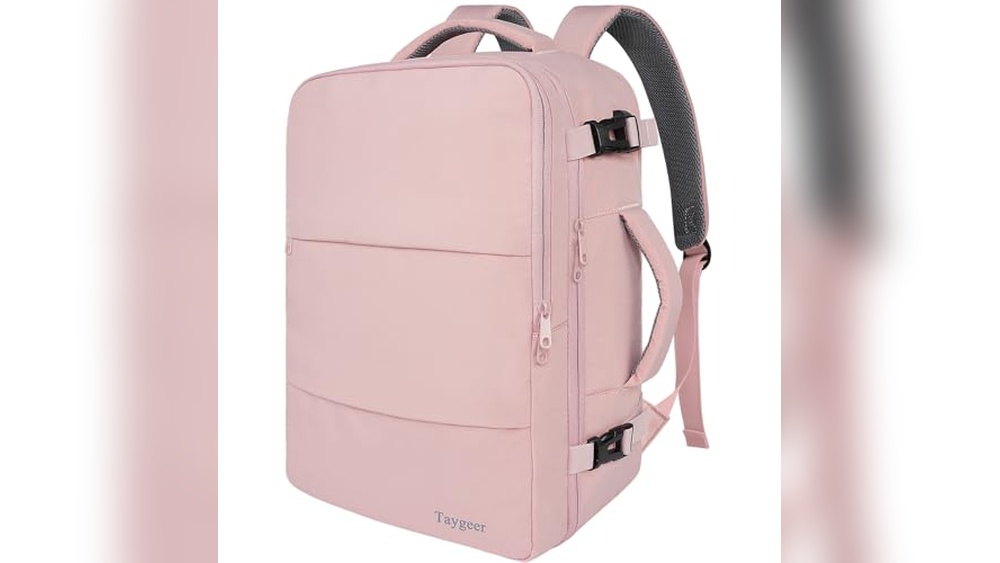
Packing your camping backpack the right way can make all the difference between a great trip and a frustrating one. If you’ve ever struggled with a heavy, uncomfortable pack or forgotten something important, this guide is for you.
You’ll learn simple, smart tips to organize your gear, save space, and carry your load comfortably. Keep reading, and you’ll discover how to pack like a pro so your next outdoor adventure feels easier and more enjoyable from the very start.
Choosing The Right Backpack
Choosing the right backpack is key for a good camping trip. The right pack holds all gear safely and feels comfortable to carry. It helps you move easily on trails without extra strain. Picking the perfect backpack means knowing different types, size needs, and how it fits your body.
Types Of Camping Backpacks
There are several backpack types for camping. Internal frame packs are common for hiking and balance weight well. External frame packs suit heavy loads and rough terrain. Hydration packs are small and hold water bladders for short trips. Daypacks work for brief outings with light gear. Choose the style that matches your trip length and gear.
Size And Capacity Considerations
Backpacks come in many sizes. Small packs hold 20-35 liters, perfect for day trips. Medium packs range 35-50 liters and fit overnight gear. Large packs carry 50+ liters for longer trips or cold weather. Pick size based on how many days you camp and what you carry. Too big adds weight, too small leaves no space.
Fit And Comfort Tips
Comfort is vital for long hikes. Look for adjustable straps to fit your body. Padded shoulder straps and hip belts reduce pressure. The backpack should sit close to your back, not hang loose. Try on packs with weight before buying. Check for ventilation to keep your back cool. A good fit means less pain and better walking.
Essential Gear To Pack
Packing the right gear makes camping safe and fun. Essential items keep you comfortable and prepared. Each category has important tools for different needs. Focus on shelter, clothes, food, and safety tools. These basics help you enjoy nature without stress.
Shelter And Sleeping Equipment
A good shelter protects from wind, rain, and bugs. Pack a lightweight tent or a sturdy tarp. Bring a sleeping bag suited to the weather. A sleeping pad adds comfort and warmth. These items help you rest well after a long day.
Clothing And Footwear
Choose clothes for changing weather. Layering works best for warmth and flexibility. Include a waterproof jacket and extra socks. Pack sturdy boots or shoes for walking. Comfortable clothes keep you dry and warm.
Cooking And Food Supplies
Bring a compact stove or portable grill. Carry enough fuel and cooking utensils. Pack easy-to-cook meals and snacks. Use lightweight containers for food and water. Good food keeps energy high during your trip.
Navigation And Safety Tools
Always carry a map and compass. A GPS device can help, but don’t rely only on it. Pack a first aid kit for emergencies. Bring a flashlight or headlamp with extra batteries. Safety gear keeps you prepared for any situation.
Packing Strategies
Packing a camping backpack needs good planning. Proper strategies make your load lighter and easier to carry. Organizing items carefully saves space and keeps things safe. These packing strategies help balance weight and protect your gear.
Weight Distribution Techniques
Place heavy items close to your back and near the middle. This keeps your center of gravity stable. Avoid putting all weight at the top or bottom. Spread the load evenly on both sides. This reduces strain and helps you walk longer.
Using Compartments Efficiently
Use each pocket or section for specific items. Keep frequently used things in easy-to-reach spots. Store clothes, food, and tools separately. This stops your bag from getting messy. Packing in compartments saves time at the campsite.
Securing Fragile Items
Wrap fragile items in soft clothes or bubble wrap. Place them in the middle of your bag for extra protection. Avoid putting heavy objects on top of delicate gear. Check your pack before you leave to prevent damage. Safe packing protects your valuable equipment.
Organizing For Accessibility
Organizing your camping backpack for easy access saves time and effort during your trip. Keep important items within reach to avoid unpacking everything. Smart organization helps you stay comfortable and prepared. Use pockets and compartments wisely to separate gear by use and priority.
Items To Keep Handy
Keep essentials like your map, compass, and snacks in the top pocket. Store your water bottle in side pockets for quick hydration. Keep a small first aid kit within easy reach. Flashlights and multi-tools belong in accessible spots for emergencies. Avoid burying these items deep inside your pack.
Packing For Quick Setup
Place your tent, rainfly, and stakes near the top or outer sections. Sleeping bags and mats should be easy to grab for fast setup. Store your cooking gear together for simple meal prep. Grouping these items saves time after a long day. Think about what you need first when you stop.
Managing Waste And Cleanliness
Carry a small trash bag in an outer pocket for litter. Pack wet wipes or hand sanitizer for quick cleaning. Keep a separate bag for dirty clothes or used items. This keeps your pack clean and organized. Proper waste management protects nature and your camping spot.
Tips For Lightweight Packing
Packing light makes your camping trip easier and more fun. Carrying less weight saves energy and lets you move faster. Focus on smart choices to keep your backpack light but full of what you need. These tips help you pack only the essentials and avoid extra weight.
Prioritizing Multi-use Gear
Choose gear that serves more than one purpose. A pot can be a bowl and a cup. A jacket that works in rain and cold saves space. Multi-use items cut down what you carry. Think small and useful. This strategy reduces bulk and weight.
Minimizing Non-essentials
Leave behind items that are nice to have but not needed. Avoid packing extra gadgets or clothes “just in case.” Focus on what you will use every day. Cut out heavy books or large toiletries. Less stuff means less weight on your back.
Clothing Layering Strategies
Pack clothes in thin layers instead of one thick coat. Layers keep you warm and dry without bulk. Use a base layer, a warm middle layer, and a windproof outer layer. This method saves space and adapts to changing weather. Carry only what fits into this system.
Final Checks Before Heading Out
Final checks before leaving are very important for a camping trip. This step helps avoid problems on the trail. It ensures your backpack is ready and comfortable. Also, it makes sure you have packed for the weather and terrain. Take time to check these details. It saves effort and trouble later.
Balancing The Load
Balance your backpack weight carefully. Place heavy items close to your back. This keeps your center of gravity stable. Distribute weight evenly on both sides. This prevents strain on one shoulder. A balanced load makes walking easier and safer.
Testing The Backpack Fit
Put on your backpack and adjust the straps. Tighten the waist belt and shoulder straps. The pack should feel snug but not tight. Walk around for a few minutes. Check for any discomfort or pressure points. Fix any issues before starting your trip.
Weather And Terrain Preparation
Check the weather forecast for your camping area. Pack extra layers for cold or rain. Use waterproof covers for your backpack. Think about the terrain you will hike. Add extra grips or poles if needed. Being ready for weather and terrain keeps you safe.
Frequently Asked Questions
How Do You Organize Items In A Camping Backpack?
Start by placing heavy items close to your back and center. Use compartments for smaller gear. Keep essentials like water and snacks easily accessible. Distribute weight evenly to maintain balance and comfort while hiking.
What Is The Best Way To Pack A Sleeping Bag?
Compress your sleeping bag tightly using a stuff sack or compression sack. Place it at the bottom of your backpack to create a stable base. This helps save space and keeps your sleeping area organized.
How Can I Pack A Camping Backpack For Comfort?
Pack heavier items near your back and hips to reduce strain. Use padded straps and adjust the fit properly. Balance the load evenly on both sides. Take breaks to adjust the backpack and avoid discomfort.
Should I Pack Clothes Inside Or Outside The Backpack?
Pack clothes inside your backpack in waterproof bags or dry sacks. This protects them from moisture and dirt. Avoid attaching clothes outside unless they are wet or dirty, to keep your gear clean and dry.
Conclusion
Packing a camping backpack takes some planning and smart choices. Place heavy items close to your back for balance. Keep essentials easy to reach, like water and snacks. Roll clothes to save space and avoid wrinkles. Use small bags to organize gear well.
Remember to pack only what you need to stay light. With practice, packing becomes quicker and easier each time. Ready for your adventure? A well-packed backpack makes camping more fun and safe.