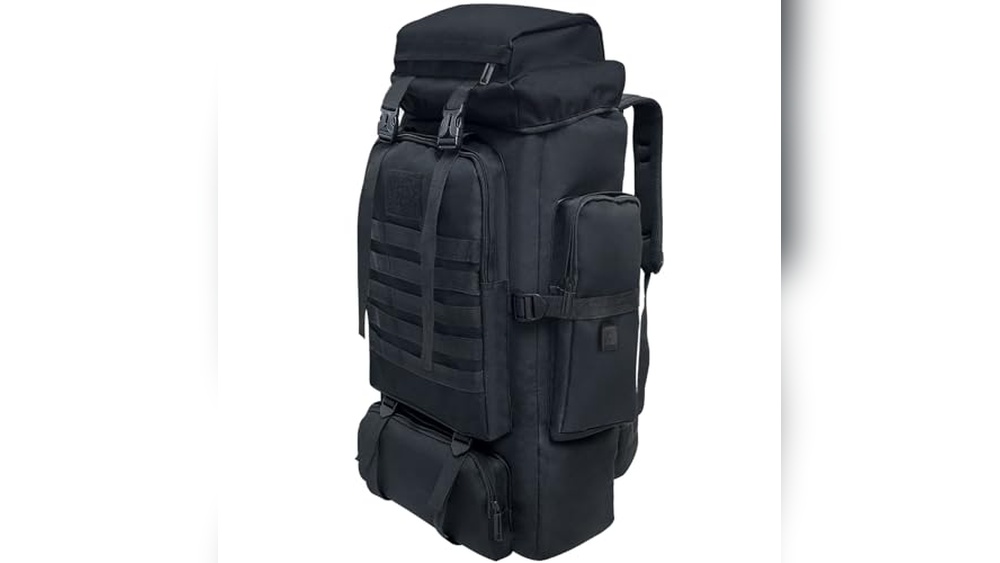
Are you planning a trek and wondering how to carry your trekking poles on your backpack without hassle? Carrying your poles the right way can make a big difference in your comfort and convenience on the trail.
If you’ve ever struggled with poles swinging around or getting in your way, this guide is for you. Keep reading, and you’ll discover simple, practical tips to secure your trekking poles so they stay steady and easy to access whenever you need them.
Your next hike just got a whole lot smoother.

Credit: www.wikihow.com
Choosing The Right Trekking Poles
Choosing the right trekking poles makes your hike safer and more comfortable. Poles help with balance and reduce strain on your legs. Picking the correct type and material affects how easy they are to carry and use.
Types Of Trekking Poles
There are three main types of trekking poles: fixed, telescoping, and folding. Fixed poles have one solid length. They are strong but less compact to carry. Telescoping poles adjust in length and fold into two or three sections. They are popular because you can make them shorter for packing. Folding poles collapse into small sections, making them very easy to store. Each type fits different hiking needs and packing styles.
Materials And Weight Considerations
Trekking poles come in aluminum or carbon fiber. Aluminum poles are tough and cost less. They are heavier but last longer on rough trails. Carbon fiber poles are light and absorb shock well. They cost more and may break under heavy stress. Weight matters if you hike long distances. Lighter poles reduce arm fatigue and are easier to carry on your backpack.

Credit: unstuckadventures.com
Backpack Features For Pole Attachment
Carrying trekking poles on your backpack is easier with the right features. These features keep your poles secure and easy to access. They also prevent damage to your gear and make your hike more comfortable.
Built-in Pole Holders
Many backpacks come with built-in pole holders. These holders are made from strong materials. They hold poles tightly during movement. You can slide poles into these holders quickly. They keep poles stable and stop them from swinging.
Some holders have a loop at the bottom. This loop holds the pole tip securely. The upper part of the pole fits into a clip or strap. This setup prevents poles from falling off while walking.
Straps And Loops
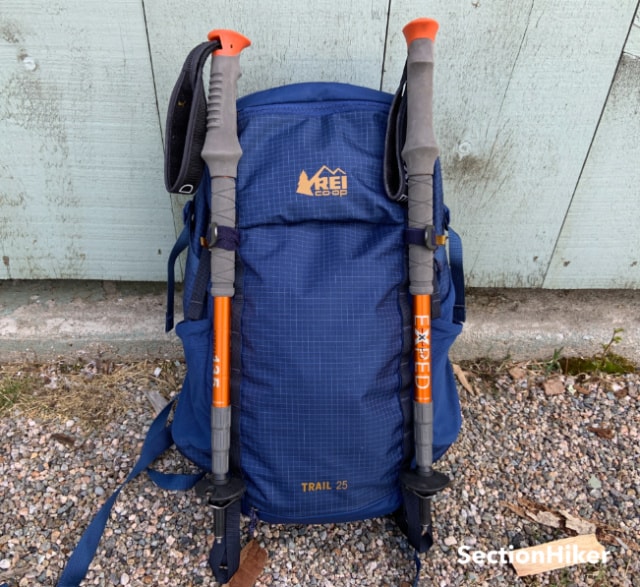
Straps and loops offer flexible options for pole attachment. You can use adjustable straps to fit different pole sizes. These straps wrap around the poles and the backpack frame. They keep poles close to your pack without moving.
Loops provide extra points to tie or clip poles. You can customize the placement of your poles using loops. This helps balance your load and keeps poles out of the way. Straps and loops are simple but effective for pole carrying.
Methods To Attach Trekking Poles
Attaching trekking poles to a backpack keeps your hands free and your gear organized. Various methods help secure the poles safely during your hike. Choosing the right method depends on your backpack design and personal preference.
Using External Straps
Many backpacks have external straps made for carrying poles. Slide the poles under these straps to hold them tight. Adjust the straps to prevent the poles from moving. This method keeps your poles accessible and stable.
Utilizing Side Pockets
Side pockets offer an easy way to carry trekking poles. Place the folded poles inside these pockets. Make sure the poles fit well and do not fall out. This method protects the poles and keeps them ready for use.
Securing With Carabiners
Carabiners add extra security when attaching poles to your backpack. Clip the carabiner through the poles and a loop on the bag. This creates a strong hold and prevents losing poles. Use carabiners for quick and reliable attachment.
Packing Poles Inside The Backpack
Packing trekking poles inside your backpack helps keep them safe and out of the way. It also protects other gear from damage. Knowing how to fold and store your poles properly makes hiking easier and more comfortable. Follow simple steps for folding and protecting your equipment.
Folding And Collapsing Techniques
Most trekking poles fold or collapse into smaller sizes. Unlock the joints carefully to avoid damage. Fold each section neatly and align them straight. Use any provided straps or clips to secure the folded pole. This prevents parts from moving or opening during the hike. Compact poles fit easily inside your backpack pocket or main compartment.
Protecting Other Gear
Sharp tips on trekking poles can puncture or scratch your gear. Cover the tips with rubber caps or cloth before packing. Place poles away from delicate items like clothes or electronics. Use a separate compartment or wrap poles in a soft cloth. This extra care keeps your gear safe and organized. Proper packing prevents unwanted damage and makes your hike smoother.
Safety Tips For Carrying Poles
Carrying trekking poles safely on your backpack is important. It protects your gear and keeps you safe. Poles can get damaged or cause injuries if not carried properly. Follow these safety tips to avoid problems during your hike.
Avoiding Damage To Poles
Always secure poles tightly to your backpack. Loose poles can bang against rocks or trees. This can break or bend them. Use straps or clips designed for trekking poles. Store the poles with tips down to protect the tips. Cover sharp tips with caps to prevent scratches. Check poles before and after your hike for any damage.
Preventing Injuries
Keep poles away from your body when walking. Poles sticking out can hit others or yourself. Hold poles securely when carrying them on your backpack. Avoid placing poles where they can fall or trip you. Make sure poles do not block your view or balance. Use padding if poles rub against your skin. Safety is key to a smooth and happy trek.
Maintenance And Care On The Trail
Proper maintenance and care keep trekking poles in good shape during your trail adventures. Regular attention helps poles last longer and work better. Small efforts prevent damage and make your hike safer.
Cleaning Poles After Use
Remove dirt and mud from poles after each hike. Use a soft cloth or brush to clean the sections. Wipe away dust from locking mechanisms. Avoid harsh chemicals that can damage materials. Dry poles completely before folding or storing. Clean poles perform better and avoid rust or wear.
Checking For Wear And Tear
Inspect poles often for cracks, dents, or loose parts. Check tips for wear or damage. Replace worn rubber tips to keep good grip. Tighten locking mechanisms to prevent slipping. Look at straps for fraying or weakness. Early repairs stop small problems from getting worse.
Credit: sectionhiker.com
Frequently Asked Questions
How Do I Attach Trekking Poles To My Backpack?
Use side loops or dedicated pole holders on your backpack. Secure poles with adjustable straps or bungee cords. Ensure poles don’t swing or damage the pack during movement.
Can I Carry Folded Trekking Poles Inside My Backpack?
Yes, folding poles fit inside backpacks easily. Place them in a main compartment or external mesh pocket for convenience. Protect tips with covers to avoid damage inside.
What Is The Safest Way To Carry Trekking Poles?
Carry poles tip-down for safety and easy access. Use pole clips or straps to keep them stable. Avoid carrying poles tip-up to prevent injury or snagging.
Are There Special Backpacks Designed For Trekking Poles?
Yes, many backpacks have dedicated trekking pole attachments. These include loops, straps, and sleeves for secure pole storage. Specialized backpacks improve comfort and accessibility on trails.
Conclusion
Carrying trekking poles on your backpack keeps your hands free. It helps balance your load during long hikes. Use loops or straps to secure poles tightly. Keep them stable to avoid noise and damage. Adjust placement for easy access when needed.
Practice packing to find the best fit. This simple step makes your hike safer and more comfortable. Enjoy your journey without worrying about your gear.