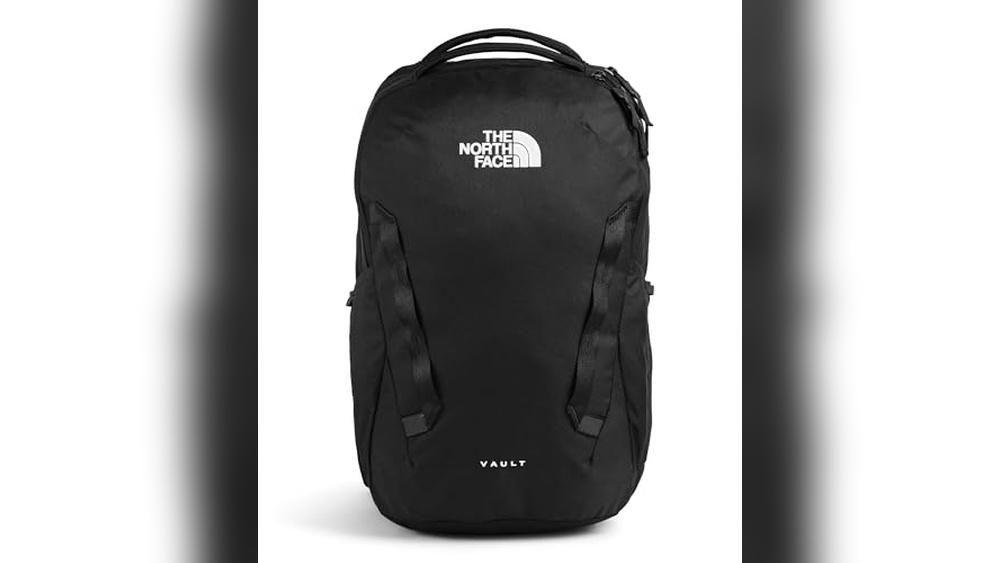
Have you ever wondered if your middle schooler’s backpack is too heavy? You might be surprised at how much those books, notebooks, and supplies can add up.
Carrying a backpack that’s too heavy can cause discomfort and even affect posture. You’ll discover the average weight of a middle school backpack and learn simple tips to lighten the load. Keep reading to protect your child’s health and make school days easier.
Average Backpack Weight
The weight of a middle school backpack matters a lot. It affects a student’s comfort and health. Carrying too much can cause pain and tiredness. Knowing the average weight helps parents and students manage loads better.
Backpack weight depends on the number of books, supplies, and personal items. Schools often ask students to carry many materials, which adds up. Understanding typical weights helps in choosing the right bag and packing smartly.
Typical Weight Range
The average middle school backpack weighs between 7 and 15 pounds. Most students carry around 10 pounds daily. This weight includes textbooks, notebooks, lunch boxes, and sometimes electronic devices. Lighter backpacks improve posture and reduce strain on the back.
Experts suggest backpacks should not exceed 10 to 15 percent of a student’s body weight. For example, a student weighing 100 pounds should carry no more than 10 to 15 pounds. Staying within this range prevents muscle fatigue and helps maintain balance.
Factors Influencing Weight
Several factors affect how heavy a backpack gets. The number of textbooks is a big one. Some classes require many heavy books, while others use digital tools or fewer materials.
Supplies like water bottles, calculators, and laptops add weight too. Some backpacks include lunch boxes or sports gear, which increase the load. The type of backpack also matters. Padded, large backpacks tend to weigh more even when empty.
School schedules and assignments can change daily, causing fluctuations in backpack weight. Students with lockers may carry less because they can leave some items at school. Awareness of these factors helps manage backpack weight effectively.
Impact On Health
The weight of a middle school backpack affects a child’s health in many ways. Carrying a heavy backpack can cause strain on muscles and joints. This strain can lead to pain and discomfort. Understanding these health impacts helps parents and teachers make better choices.
Common Physical Issues
Heavy backpacks often cause back pain. Kids may also experience shoulder pain and neck stiffness. These problems happen because the weight pulls the body backward. Poor posture is another result. This happens when children lean forward to balance the load. Muscle fatigue and soreness are common complaints.
Long-term Effects
Carrying heavy backpacks over time may cause lasting damage. Spinal misalignment is one serious effect. This can lead to chronic back problems in adulthood. Poor posture during growth can affect bone development. Long-term pain and weakness may also develop. Early prevention helps avoid these problems later in life.
Backpack Weight Recommendations
Backpack weight is a key factor in keeping middle school students healthy. Carrying too much weight can cause pain and posture problems. Setting clear weight limits helps students avoid these issues. Schools and parents should know the right weight to keep backpacks safe.
Backpack weight recommendations focus on how much a student should carry daily. These guidelines protect growing bodies from strain and injury. Understanding expert advice and safety rules helps in choosing and packing backpacks correctly.
Guidelines For Safe Carrying
Experts suggest backpacks should not weigh more than 10-15% of a student’s body weight. For example, a 100-pound child should carry no more than 10-15 pounds. This limit reduces stress on muscles and joints.
Backpacks should have wide, padded straps to spread the weight evenly. Wearing both straps helps balance the load. Avoid carrying heavy items in one pocket only. Adjusting the backpack to fit close to the back improves comfort.
Expert Opinions
Doctors and physical therapists warn about the risks of heavy backpacks. They link excess weight to back pain and posture problems. Some suggest lighter backpacks with only essential items.
Experts recommend regular checks of backpack contents. Remove unnecessary books or supplies daily. This habit keeps the backpack light and easier to carry. Following these tips helps students stay pain-free and focused at school.
Why Backpacks Get Heavy
Backpacks often become heavy without much notice. Students carry many items every day. These items add weight and make backpacks hard to carry. Understanding why backpacks get heavy helps manage the load better. It also helps protect students’ backs and posture.
Books And Supplies
Books are the main cause of heavy backpacks. Textbooks are thick and weigh a lot. Notebooks and workbooks add extra weight. Students carry pencils, pens, and art supplies too. These small items together increase the total weight.
Electronic Devices
Many students carry tablets or laptops now. These devices add several pounds to backpacks. Chargers and headphones also add weight. Electronics must be protected, so cases add bulk. All these make backpacks heavier than before.
Extra Items
Students often carry water bottles and snacks. Lunch boxes can be heavy depending on content. Jackets, gym clothes, and sports gear add more weight. Sometimes, backpacks hold items that are not needed daily. These extra things increase the backpack’s overall weight.
Tips To Lighten Backpacks
Backpacks for middle school students often become heavy with books and supplies. Carrying too much weight can cause discomfort and affect posture. Lightening backpacks helps students move easily and stay comfortable throughout the day. Here are simple tips to reduce backpack weight.
Organizational Strategies
Organize backpack items by priority and size. Use folders to separate papers and prevent clutter. Place heavier books closer to the back to balance weight. Pack only what is needed for the day. Avoid carrying multiple notebooks for different subjects if not necessary.
Choosing The Right Backpack
Select a backpack with padded straps and a sturdy frame. Look for backpacks with multiple compartments to distribute weight evenly. Choose a size that fits the student’s body without being too large. Lightweight backpacks reduce the overall load naturally.
Regular Cleanouts
Empty the backpack every day to remove unnecessary items. Check for old papers, snacks, or broken supplies that add weight. Cleanouts help keep backpacks light and organized. Encourage students to carry only what they need daily.
School Policies And Solutions
Schools try to help students carry less weight daily. They create rules and offer solutions. These policies aim to reduce the strain of heavy backpacks.
Students feel lighter and more comfortable. They can focus better on their studies. Here are some common school policies and solutions.
Locker Use
Many schools provide lockers for students. Lockers allow students to store books safely. Students can change books between classes. This reduces the need to carry all books at once.
Using lockers helps spread the weight throughout the day. It prevents backpacks from becoming too heavy. Students feel less tired and more ready to learn.
Digital Textbooks
Digital textbooks replace heavy paper books. Students use tablets or laptops to read their lessons. This change cuts down backpack weight a lot.
Schools support digital learning to make backpacks lighter. It also helps students access updated materials quickly. Digital books save space and reduce physical strain.
Backpack Weight Limits
Some schools set clear backpack weight limits. These rules tell students the maximum weight allowed. Teachers and staff check if backpacks are too heavy.
Weight limits protect students’ health and posture. Schools may suggest using smaller backpacks or fewer items. Limits encourage students to carry only what is necessary.
Frequently Asked Questions
What Is The Average Weight Of A Middle School Backpack?
The average middle school backpack weighs between 10 to 15 pounds. This includes books, supplies, and personal items. Weight can vary depending on the number of textbooks and the type of materials carried.
How Does Backpack Weight Affect Middle School Students?
Heavy backpacks can cause back pain and poor posture in students. Carrying more than 10-15% of body weight is unsafe. Proper packing and lighter materials help reduce strain and improve comfort.
What Items Contribute Most To Backpack Weight?
Textbooks and notebooks are the heaviest items in backpacks. Laptops and binders also add significant weight. Reducing unnecessary items and using digital resources can help lighten the load.
How Can Students Reduce Their Backpack Weight Effectively?
Students should carry only essential items daily. Using lockers and digital textbooks can reduce the number of books. Organizing supplies and choosing lightweight backpacks also help keep weight manageable.
Conclusion
The average middle school backpack weighs between 10 and 20 pounds. This weight can affect a child’s comfort and posture. Parents and teachers should help keep backpacks light. Choosing the right size and packing only essentials helps a lot. Regularly checking the backpack can prevent carrying too much.
Lighter backpacks make school days easier and healthier. Small changes can improve a student’s daily routine. Keeping backpacks manageable supports better focus and energy. Remember, a lighter load benefits both body and mind.