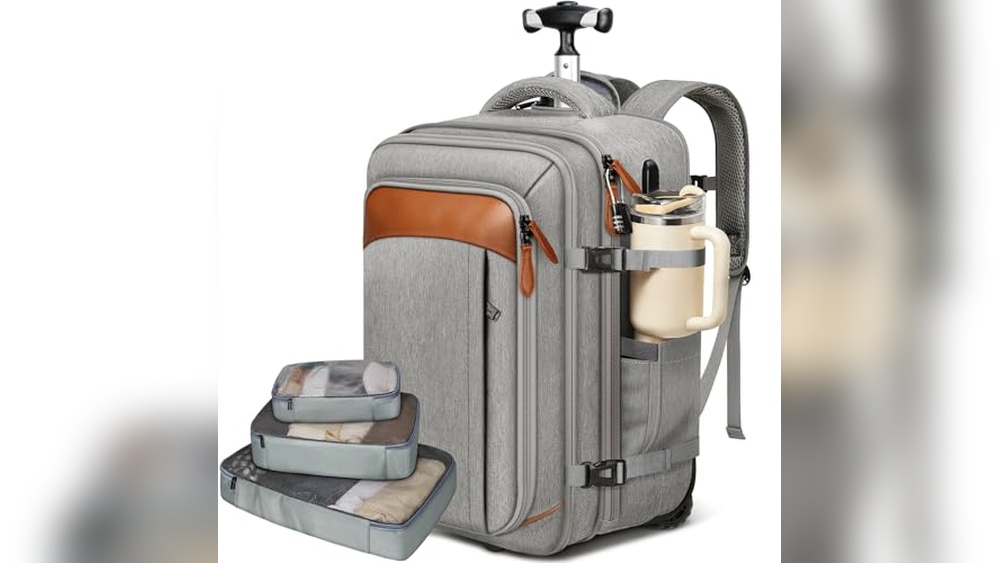
Do you want to carry your penny board hands-free and keep it safe while you’re on the move? Attaching your penny board to your backpack is a smart and practical way to do just that.
But how do you do it quickly and securely without damaging your gear? In this post, you’ll discover simple, step-by-step tips that make attaching your penny board easy and hassle-free. Stick around, and you’ll never have to worry about juggling your board and backpack again.
Choosing The Right Backpack
Choosing the right backpack makes attaching a penny board easy and safe. Not all backpacks fit penny boards well. A suitable backpack keeps the board secure without damaging it or the bag. Comfort matters too, especially if you carry the board for long periods. Focus on backpacks designed for boards or those with special straps.
Features To Look For
Strong straps are essential to hold the penny board firmly. Look for adjustable straps to fit different board sizes. Padding on straps helps reduce shoulder strain. Durable material resists tears from board edges and wheels. Extra compartments can store shoes, water, or tools for quick access. Ventilation in the back panel keeps you cool. Lightweight backpacks reduce overall carrying weight.
Best Backpack Types For Penny Boards
Skate backpacks often have built-in straps and reinforced areas for boards. Hiking backpacks sometimes work due to strong straps and solid frames. Sling backpacks with wide straps can hold smaller penny boards. Travel backpacks with multiple straps offer versatile attachment points. Avoid backpacks made from thin fabric or without secure straps. Choose backpacks designed for active, outdoor use for better durability.
Preparing Your Penny Board
Before attaching your penny board to a backpack, it needs some preparation. This helps keep your board safe and your backpack clean. Taking time to get your board ready makes carrying easier and more secure.
Start by cleaning the board and checking it for damage. Also, remove any parts that are not needed for carrying. These steps make your penny board ready to attach and carry comfortably.
Cleaning And Inspecting
Wipe the penny board with a damp cloth to remove dirt and dust. Check the deck, wheels, and trucks for cracks or damage. Make sure the board is dry before attaching it to your backpack. A clean board reduces wear on your bag and keeps it looking good.
Removing Unnecessary Accessories
Take off stickers, loose parts, or decorations that can fall off. Remove any loose straps or keychains attached to the board. This avoids damage to your backpack and keeps the board steady. A simple board is easier to secure and carry.
Attachment Methods
Attaching a penny board to a backpack keeps your hands free and your board safe. Different methods work better for different backpacks and boards. Choose a method that fits your style and gear. The following methods are simple and practical.
Using Straps And Buckles
Many backpacks come with extra straps or buckles. These straps hold the penny board tightly. Slide the board under the straps and fasten the buckles. This method keeps the board stable and close to your back. Adjust the straps to avoid movement during walks.
Employing Bungee Cords
Bungee cords stretch and secure your board easily. Wrap the cord around the penny board and backpack. Hook both ends to the backpack’s loops or rings. The cords hold the board firmly without scratching it. They work well for quick attachments and removals.
Utilizing Carabiners And Clips
Carabiners and clips offer a strong, quick way to attach the board. Use a clip to latch onto the board’s trucks or holes. Then clip it to your backpack’s D-rings or loops. This method allows easy on-and-off without loosening straps. Carabiners are light and durable for daily use.
Securing The Penny Board
Securing the Penny Board to your backpack keeps it safe and easy to carry. Proper attachment stops the board from swinging or falling. This way, you can move freely without worry. Follow simple steps for strong and stable fastening.
Positioning On The Backpack
Place the Penny Board where it balances weight well. Usually, the back center works best. Avoid placing it too low or too high. The board should not block your movement. Align it so straps or clips can hold it firmly.
Tightening For Stability
Use strong straps or bungee cords to hold the board. Pull the straps tight but not too hard to damage the board. Secure the straps around the deck or trucks. Make sure the board stays in place and does not shift.
Checking For Movement
After fastening, shake the board gently to test it. Minimal movement means it is secure. If it moves a lot, tighten the straps again. Check often to keep the board stable during your walk.
Safety Tips
Carrying a penny board on your backpack can be handy. Safety matters for both your board and yourself. Follow these tips to keep everything safe and comfortable.
Avoiding Damage To Board And Backpack
Use soft straps or padding to attach the board. This stops scratches on the board’s surface. Protect the backpack fabric by adding a layer between the board and the bag. Check the straps often to avoid loosening. Avoid tight spots that can bend the board or stress the backpack. Regularly inspect for wear and tear on both items.
Ensuring Comfortable Carrying
Adjust the backpack straps for a snug fit. Place the penny board where it does not poke or dig into your back. Use shoulder pads to reduce pressure. Make sure the board does not shift while walking. Avoid heavy loads combined with the board to prevent discomfort. Comfort keeps you balanced and reduces fatigue.
Balancing Weight Distribution
Keep the penny board centered on the backpack. Distribute other items evenly inside the bag. Avoid placing all weight on one side. Balanced weight helps maintain posture and reduces strain. A well-balanced load prevents accidents and falls. Check the balance before you start walking.
Alternative Carrying Options
Carrying a penny board can be tricky without the right setup. Many skateboarders prefer simple ways to attach their board to a backpack. This helps keep their hands free and the board safe. There are several alternative options to carry your penny board easily and comfortably.
Using Dedicated Skateboard Backpacks
Special backpacks made for skateboards have built-in straps or loops. These hold the penny board tightly against your back. The straps usually adjust to fit different board sizes. This option keeps your board stable and reduces movement while walking. Many skateboard backpacks also offer extra storage for gear and personal items. They are designed for comfort and convenience during travel.
Diy Attachment Solutions
DIY solutions allow you to customize how you carry your penny board. Use strong bungee cords or Velcro straps to secure the board. Attach these straps to your backpack’s existing loops or seams. You can also sew small fabric loops on your backpack for extra hold. This method is budget-friendly and lets you create a carry system that fits your needs. Always check the strength of your DIY attachments before use.
Frequently Asked Questions
How Do I Secure A Penny Board To My Backpack?
Use adjustable straps or bungee cords to fasten the board. Attach it firmly to the backpack’s side or bottom for stability.
Can I Carry A Penny Board Inside My Backpack?
Most backpacks are too small for a full Penny Board inside. External attachment is more practical and keeps the board accessible.
What Backpack Features Help Attach A Penny Board Easily?
Look for backpacks with side straps, loops, or MOLLE webbing. These features make it simple to clip or strap your Penny Board securely.
Is It Safe To Carry A Penny Board On My Backpack?
Yes, if attached tightly and balanced well. Ensure the board won’t swing or fall off during movement for safe transport.
Conclusion
Attaching a penny board to your backpack saves space and keeps hands free. Choose a strong strap or clip for safety. Make sure the board is secure before moving. Check your setup often to avoid damage or loss. This simple method makes carrying your board easy and practical.
Try it out and enjoy your rides without extra hassle.