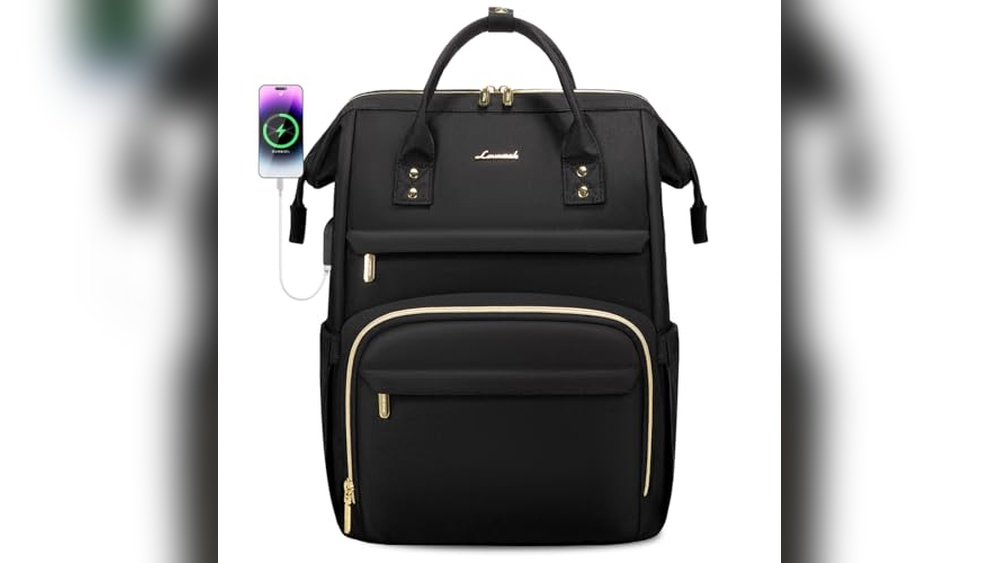
Have you ever struggled to find something in your backpack because everything was jumbled together? Adding compartments to your backpack can change that.
Imagine opening your bag and instantly seeing exactly where your keys, phone, or snacks are. It saves you time, reduces frustration, and keeps your things safe. You’ll learn simple, practical ways to add compartments to your backpack—without buying a new one.
Keep reading, and you’ll discover how a few easy changes can make your backpack work perfectly for you.
Choosing The Right Materials
Choosing the right materials is key to adding compartments to a backpack. The materials affect durability and comfort. They also influence how your new compartments will look and function.
Picking the best fabric, padding, and fasteners ensures your backpack stays strong. Using the proper tools makes the job easier and more precise.
Selecting Fabric And Padding
Choose a fabric that matches your backpack’s material. Nylon and polyester work well for most backpacks. They are strong and resist tearing.
For padding, use foam or felt. Foam adds cushion and protects items inside. Felt is thinner but provides some softness and structure.
Picking Suitable Fasteners
Fasteners hold your compartments securely. Zippers are common and easy to use. Velcro works for quick access compartments.
Snaps and buttons offer extra security but take more time to open. Choose fasteners that fit your needs and skills.
Tools You’ll Need
Gather basic tools like scissors, needles, and strong thread. A sewing machine speeds up the process. Fabric glue can help with small fixes.
Measuring tape and chalk or fabric markers help mark where to cut and sew. Having the right tools makes your work neat and lasting.
Planning Your Compartments
Planning your backpack compartments is the first step to better organization. It helps you know exactly what you need and where to put it. Good planning saves time and keeps your bag neat. Let’s break down the planning process into simple steps.
Assessing Your Storage Needs
Think about what you carry every day. Books, gadgets, snacks, or clothes? Make a list of all items you want in the backpack. Note which items need special space, like a laptop or water bottle. This list guides your compartment sizes and numbers.
Measuring Available Space
Check the inside of your backpack carefully. Measure the length, width, and height of the main area. Don’t forget smaller pockets or sections already there. Knowing the space helps avoid making compartments too big or small. Use a tape measure or ruler for accuracy.
Sketching Your Layout
Draw a simple picture of your backpack’s inside. Mark where each compartment will go. Use your storage list and measurements to place items logically. Keep heavy items close to your back for comfort. This sketch acts as a guide for creating compartments later.
Creating Simple Dividers
Creating simple dividers in a backpack helps organize your items better. Dividers keep things separated and easy to find. You can make these dividers yourself with basic materials and tools. This section explains three easy methods to add compartments inside your backpack.
Cutting And Sewing Fabric Panels
Start by measuring the inside of your backpack. Cut fabric panels to fit the space you want to divide. Use a sturdy fabric like canvas or nylon for durability. Sew the edges to prevent fraying. Stitch the panels directly into the backpack’s lining or create removable inserts. Simple straight stitches work well for this task.
Adding Velcro Or Zippers
Attach strips of Velcro along the edges of fabric panels. This allows you to remove or reposition the dividers easily. For more secure compartments, sew zippers along one or two sides. Zippers keep items from falling out and add extra protection. Both options offer flexibility to change your backpack layout anytime.
Installing Elastic Bands
Elastic bands hold items tightly inside the backpack. Cut elastic to fit the width of your bag’s interior. Sew the elastic strips vertically or horizontally on the lining. These bands stretch to hold water bottles, tools, or cables. Elastic dividers are quick to install and help keep small items in place.
Attaching External Pouches
Attaching external pouches to a backpack is a smart way to increase storage space. It helps keep things organized and easy to reach. You can add compartments without changing the backpack’s main design. Several methods work well for this task. Each method fits different needs and skill levels.
Using Clips And Carabiners
Clips and carabiners offer a quick way to attach pouches. They hook onto loops or straps on your backpack. This method allows easy removal and repositioning. Perfect for carrying water bottles, keys, or small bags. Clips and carabiners come in many sizes and shapes. Choose strong ones for heavy items to avoid damage.
Sewing On Extra Pockets
Sewing extra pockets creates a permanent storage solution. Use a needle and strong thread or a sewing machine. Attach the pocket to a flat area of the backpack. Sewing needs basic skills but gives a neat look. Choose fabric that matches your backpack for a uniform style. Reinforce edges to prevent tearing over time.
Magnetic And Snap Options
Magnetic and snap fasteners offer easy pouch attachment. Magnets hold pouches firmly but allow quick removal. Snaps work well for small, lightweight compartments. Both options keep pouches secure and organized. Ideal for items you want fast access to. Check strength to avoid accidental openings during use.
Customizing With Modular Inserts
Customizing a backpack with modular inserts makes it easier to organize your items. These inserts create separate compartments inside your bag. You can adjust or remove them based on your needs. This flexibility keeps your backpack neat and protects your belongings.
Using Foam Inserts
Foam inserts fit snugly inside backpacks. They absorb shocks and protect fragile items. You can cut foam to create custom shapes. This makes space for cameras, bottles, or tools. Foam inserts keep everything in place during travel.
Incorporating Removable Organizers
Removable organizers add extra pockets and dividers. They help separate small items like pens, chargers, and keys. You can take them out or move them around. This keeps your backpack tidy and easy to use. Removable organizers are perfect for daily use.
Adapting For Electronics And Accessories
Electronics need special care inside backpacks. Use padded inserts to protect laptops and tablets. Small pouches inside the bag hold cables and earbuds. This prevents tangling and damage. Custom compartments make carrying gadgets safer and simpler.
Maintaining And Adjusting Compartments
Maintaining and adjusting backpack compartments keeps your bag organized and lasting longer. Proper care helps compartments stay clean and flexible. Adjusting compartments allows you to customize space for different needs. Small repairs prevent bigger damage and extend the life of your backpack.
Cleaning And Care Tips
Remove all items before cleaning compartments. Use a soft brush to remove dust and dirt. Wipe the inside with a damp cloth and mild soap. Avoid harsh chemicals that can weaken fabric. Let compartments dry completely before use. Regular cleaning prevents odors and stains.
Rearranging For Different Uses
Change compartments to fit specific trips or tasks. Move dividers or pouches to create more space. Place heavy items near the back for balance. Keep frequently used items in easy-to-reach compartments. Adjusting compartments helps carry gear comfortably and safely.
Repairing Wear And Tear
Check compartments often for rips or loose seams. Use a needle and strong thread for small repairs. Apply fabric glue to fix minor tears quickly. Replace broken zippers or clips to keep compartments secure. Repairing early stops damage from growing worse.
Frequently Asked Questions
How Can I Add Compartments To My Backpack Easily?
You can add compartments using removable pouches or sewing fabric dividers inside. Use Velcro or zippers for flexibility. This improves organization without permanent changes. Choose materials matching your backpack for durability and style.
What Materials Are Best For Diy Backpack Compartments?
Use lightweight, durable fabrics like nylon or polyester. Add zippers, Velcro, or snaps for closures. Reinforce seams with strong thread. These materials ensure compartments last and keep your items secure during travel or daily use.
Can I Customize Backpack Compartments Without Sewing?
Yes, use adhesive Velcro strips or clip-on pouches. These options allow quick adjustments and removal. They protect your backpack from damage and suit temporary needs. Perfect for renters or those avoiding permanent modifications.
How Do Compartments Improve Backpack Organization?
Compartments separate items, making access easier and faster. They prevent damage by reducing item movement inside. This setup enhances convenience during travel or daily activities. Well-placed compartments maximize backpack space efficiently.
Conclusion
Adding compartments to your backpack makes organizing simple and quick. It helps keep your items neat and easy to find. You can use small pouches or sew in extra pockets. Choose spots that suit your needs best. This small change improves your daily carry a lot.
Try it yourself and see the difference. A tidy backpack saves time and stress every day. Start with easy steps, and enjoy your new setup.