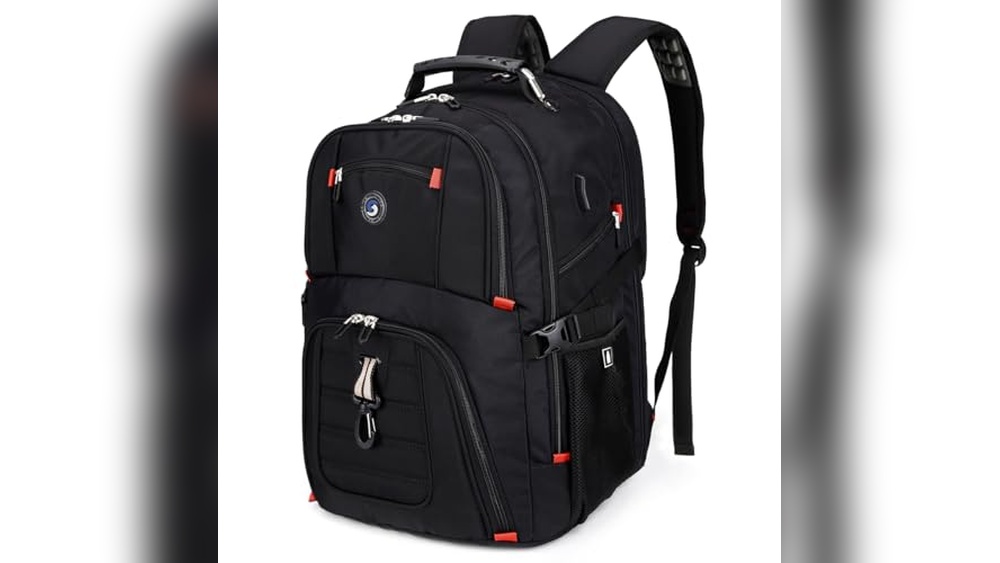
Have you ever wondered how to say “backpack” in French? Whether you’re planning a trip, learning a new language, or just curious, knowing the right word can make a big difference.
Imagine confidently asking for your backpack in a French store or understanding signs while traveling. You’ll discover the exact spelling and pronunciation of “backpack” in French, plus useful tips to remember it easily. Keep reading—you’re just one step away from expanding your French vocabulary!
French Word For Backpack
Understanding how to say “backpack” in French can help you in many situations. Whether you are traveling, shopping, or talking about school, knowing the right word is useful. The French language has a specific term for backpack, and it is simple to learn.
Let’s explore the French word for backpack and how to use it correctly.
The French word for backpack is “sac à dos”. This term literally means “bag on back.” It is the most common and clear way to say backpack in French.
How To Pronounce “sac À Dos”
Pronunciation is important. “Sac” sounds like “sak.” “À” is pronounced like “ah.” “Dos” sounds like “doh.” Put together, it sounds like “sak ah doh.”
When To Use “sac À Dos”
Use “sac à dos” for school bags, hiking packs, or any bag you carry on your back. It fits many situations and is understood everywhere in France and other French-speaking countries.
Common Spellings And Variations
Understanding the common spellings and variations of the word “backpack” in French helps in everyday conversations and writing. French has several words that can mean “backpack,” each used in different contexts or regions. These variations reflect how language adapts to culture and usage.
Knowing these spellings makes reading and speaking French easier. It also helps avoid confusion when traveling or chatting with French speakers. Here are some common spellings and their subtle differences.
Le Sac À Dos
“Le sac à dos” is the most common and direct translation of “backpack.” It literally means “bag on back.” This phrase is used widely in France and other French-speaking countries.
Le Cartable
“Le cartable” refers mainly to a schoolbag or satchel. Children often use it to carry books. It is less common for hiking or travel backpacks.
Le Sac À Dos De Randonnée
This term means “hiking backpack.” It specifies a larger, more durable bag for outdoor activities. People use it to describe backpacks designed for long trips or camping.
Le Sac À Dos Scolaire
“Le sac à dos scolaire” means “school backpack.” It points to backpacks used by students daily. This phrase is useful to differentiate from travel or hiking backpacks.
Pronunciation Tips
Pronouncing foreign words can be tricky. French sounds often differ from English. Learning how to say “backpack” in French helps you speak clearly. It also builds your confidence in using the word correctly.
Here are some simple tips to help you pronounce the French word for backpack smoothly. Practice these points to sound more natural and be easily understood.
Understanding The French Word: “sac À Dos”
The French word for backpack is “sac à dos”. It means “bag on back.” The phrase has three parts: sac, à, and dos. Each part has a different sound.
Remember, sac sounds like “sak.” The “à” is like the English word “ah.” The last word, dos, sounds like “doh.”
Focus On Each Sound
Break the word into smaller sounds. Say “sak” first. Then say “ah” clearly. Lastly, say “doh.” Put them together slowly: “sak ah doh.”
Repeat the word several times. Start slow, then increase speed. This helps your mouth get used to the sounds.
Emphasizing The Right Syllable
French words often stress the last syllable. In sac à dos, stress the “dos” part. Say it a little louder and longer. This makes your pronunciation closer to native speakers.
Avoiding Common Mistakes
Do not pronounce the “s” in dos. It is silent. Also, avoid stressing “sac” too much. Keep it light and short.
Watch out for the “à.” It should not sound like “ay.” Keep it soft and open as “ah.”
Using Backpack In Simple Sentences
Using the word “backpack” in simple sentences helps you learn French naturally. It builds confidence and improves speaking skills. Practice with easy examples to see how it fits in daily talk.
Try short sentences first. They make understanding and remembering easier. Soon, you will use “backpack” smoothly in conversations.
Basic Examples
The French word for backpack is “sac à dos.”
Example: “I have a blue backpack.” – “J’ai un sac à dos bleu.”
Example: “Her backpack is heavy.” – “Son sac à dos est lourd.”
Example: “We carry backpacks to school.” – “Nous portons des sacs à dos à l’école.”
Contextual Usage
Use “sac à dos” when talking about travel. For example, “He packs his backpack for the trip.” – “Il prépare son sac à dos pour le voyage.”
Talk about school supplies: “The backpack has books and pencils.” – “Le sac à dos contient des livres et des crayons.”
Describe weight or size: “My backpack is light.” – “Mon sac à dos est léger.”
Related Vocabulary Words
Learning how to spell “backpack” in French opens a door to many related words. These words help you talk about school and travel more easily. Knowing them makes your conversations clearer and your vocabulary richer. Let’s explore some common related words in two important categories: school supplies and travel items.
School Supplies
In French, “backpack” is spelled un sac à dos. It belongs to school supplies. Other useful words include:
- un cahier – a notebook
- un crayon – a pencil
- un stylo – a pen
- une règle – a ruler
- une gomme – an eraser
- un classeur – a binder
- un livre – a book
These words are often found inside or used with a backpack. They are essential for school life.
Travel Items
The backpack is also useful for travel. Here are some common travel-related words in French:
- une valise – a suitcase
- un billet – a ticket
- une carte – a map
- un passeport – a passport
- des vêtements – clothes
- une trousse de toilette – a toiletry bag
Knowing these words helps you pack and talk about your trips. The backpack is a key item for carrying travel essentials.
Spelling Practice Activities
Spelling practice helps you remember how to write words correctly. It makes learning new words easier. Simple activities can improve your skills quickly. Try these ideas to practice spelling “backpack” in French and other words.
Writing Exercises
Write the word “sac à dos” several times. This helps your brain remember the letters. Copy the word from a book or screen. Then, try writing it without looking. Repeat this daily for better results. Use a notebook to track your progress.
Make sentences using “sac à dos.” For example, “J’ai un sac à dos rouge.” Writing sentences helps you understand word use. It also improves spelling by repetition.
Memory Techniques
Use flashcards with the word on one side and the meaning on the other. Look at the word, say it aloud, then try to spell it. Repeat until you feel confident. This technique helps recall spelling fast.
Break the word into parts: “sac,” “à,” “dos.” Remember each part separately. Connect the parts to form the full word. This makes spelling less confusing and easier to remember.
Frequently Asked Questions
How Do You Spell Backpack In French?
Backpack in French is spelled as “sac à dos. ” It literally means “bag on back. ” This term is widely used in everyday French.
Is “sac À Dos” The Only French Word For Backpack?
Yes, “sac à dos” is the most common and standard French term for backpack. Other phrases are rare or regional.
How Do You Pronounce “sac À Dos” Correctly?
Pronounce it as “sak ah doh. ” The “sac” sounds like “sak,” and “dos” sounds like “doh,” with a silent “s. “
Can “sac À Dos” Refer To Any Type Of Backpack?
Yes, “sac à dos” refers to all backpacks, including school, hiking, or travel bags in French.
Conclusion
Now you know how to spell backpack in French: “sac à dos. ” This simple phrase helps you talk about travel and school. Using it in daily life makes learning fun and easy. Practice saying it aloud to remember better.
Small steps like this build your language skills. Keep exploring new words every day. Language learning becomes simple and enjoyable this way.