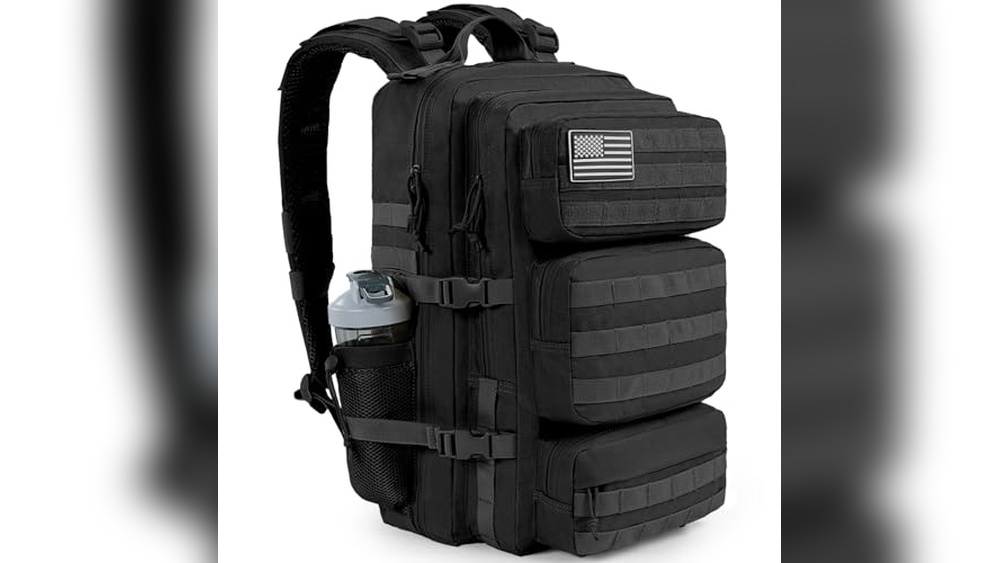
Choosing the right camping backpack can make or break your outdoor experience. Imagine carrying all your gear comfortably without feeling weighed down or struggling with awkward straps.
Whether you’re planning a weekend trip or a longer adventure, your backpack needs to fit your body and your needs perfectly. In this guide, you’ll discover simple tips to find the best backpack that keeps you comfortable, organized, and ready for anything.
Keep reading, and you’ll never have to worry about your pack slowing you down again.
Backpack Types
Choosing the right camping backpack starts with understanding the different types. Each type fits specific trips and needs. Knowing these helps you pick a bag that works best. Comfort, size, and features vary among backpacks. These differences match various outdoor adventures and durations.
Daypacks
Daypacks are small backpacks for short trips. They hold essentials like water, snacks, and a light jacket. Usually, they carry 15 to 30 liters. Daypacks are light and easy to carry. Ideal for hikes lasting a few hours or a single day.
Overnight Packs
Overnight packs fit gear for one night outdoors. They have 30 to 50 liters of space. These backpacks store a sleeping bag, food, and clothes. Good for weekend trips or quick getaways. They balance size and weight for comfort.
Multi-day Backpacks
Multi-day backpacks suit trips lasting several days. They offer 50 to 70 liters of capacity. These bags carry camping gear, food, and extra clothes. Designed for comfort with padded straps and support. Perfect for longer hiking or camping adventures.
Specialized Packs
Specialized packs serve unique activities like climbing or winter camping. These backpacks have extra features like gear loops or insulation. Made for specific needs and conditions. Choose these if your trip requires special equipment or protection.
Capacity Matters
Choosing the right capacity for your camping backpack is very important. It affects how much gear you can carry and how comfortable you feel. A backpack that is too small limits your supplies. One that is too large can be heavy and bulky. Understanding capacity helps you pick the best pack for your needs.
Choosing Based On Trip Length
Short trips need smaller backpacks, usually 20 to 40 liters. You only carry essentials for one or two days. Longer trips require larger packs from 50 to 70 liters or more. This space holds extra food, clothes, and camping gear. Match the backpack size to how many days you camp.
Seasonal Considerations
Summer trips need less space because clothes are lighter. Winter camping requires more gear like thick jackets and sleeping bags. You need a bigger backpack in cold seasons to fit bulky items. Think about the weather and season before choosing capacity.
Weight Vs. Volume
Volume is the space inside the backpack, measured in liters. Weight is how heavy the pack is when filled. A bigger volume means you can carry more but it may weigh more. Try to balance volume and weight for comfort. Pick a pack that holds your gear without feeling too heavy.
Fit And Comfort
Choosing the right camping backpack starts with fit and comfort. A backpack that fits well feels lighter and reduces strain. Comfort helps you enjoy your hike without pain or discomfort. Below are key points to check for a perfect fit and comfort.
Torso Length Measurement
Measure your torso length before buying a backpack. This is the distance from the base of your neck to the top of your hips. A backpack must match this length for proper weight distribution. Backpacks come in different sizes to fit various torso lengths.
Too long or too short backpacks cause discomfort and back pain. Some backpacks have adjustable frames to fit your torso. Try the backpack on and adjust it to your body.
Hip Belt Importance
The hip belt carries most of the backpack’s weight. It should fit snugly around your hips, not your waist. A good hip belt reduces pressure on your shoulders and back. Look for padded and adjustable hip belts for better comfort.
Wide hip belts spread the load evenly. Check if the belt has pockets for small items. A well-fitted hip belt makes long hikes easier.
Shoulder Straps And Padding
Shoulder straps hold the pack close to your body. They should be wide and padded for comfort. Narrow straps can dig into your shoulders and cause pain. Adjustable straps help fit the backpack perfectly.
Check the padding thickness. Too little padding hurts; too much adds weight. Look for curved straps that follow your shoulder shape. This design improves comfort and movement.
Ventilation Features
Ventilation keeps your back cool and dry. Backpacks with mesh panels or air channels improve airflow. This prevents sweat build-up and skin irritation. A ventilated back panel adds comfort on hot days.
Check for breathable materials in contact with your skin. Good ventilation reduces discomfort during long hikes. It keeps you fresh and focused on your adventure.
Material And Durability
Choosing the right material and durability for your camping backpack is important. The fabric affects the backpack’s weight, strength, and comfort. Durable materials protect your gear and last longer. Understanding these features helps you pick the best backpack.
Fabric Types
Most backpacks use nylon or polyester fabrics. Nylon is strong and lightweight. It resists tears and abrasion well. Polyester is cheaper and holds color longer. It is less strong than nylon but dries faster. Ripstop fabric adds extra strength by preventing rips from spreading. Look for high denier numbers for tougher fabric.
Water Resistance
Water resistance keeps your gear dry in rain or wet conditions. Some fabrics have a special coating to repel water. Look for backpacks labeled as water-resistant or waterproof. Water-resistant backpacks handle light rain well. Waterproof backpacks protect better in heavy rain. Also check if the backpack has sealed zippers or rain covers.
Reinforcements And Stitching
Strong stitching improves backpack durability. Double or triple stitching at stress points prevents tears. Reinforced areas like the bottom and straps add extra protection. Check the quality of thread and seams. Reinforced backpacks handle heavy loads without damage. Good stitching means your backpack lasts for many trips.
Features To Look For
Choosing the right camping backpack means checking its features carefully. These features help make your trip easier and more comfortable. A good backpack keeps your gear safe and organized. It also fits well and feels light on your back. Focus on key features that match your camping needs.
Pockets And Compartments
Lots of pockets help keep your stuff sorted. Small pockets hold snacks and maps. Big compartments store clothes and sleeping bags. Separate sections stop things from mixing up. Easy access pockets save time on the trail. Check for zippered and mesh pockets for better use.
Hydration Compatibility
Hydration compatibility means the backpack fits a water bladder. This lets you drink water without stopping. Look for a sleeve inside to hold the bladder. Also, a hole for the drinking tube is handy. Staying hydrated keeps your energy up during hikes.
Attachment Points
Attachment points let you carry extra gear outside the bag. You can clip on tools, sleeping mats, or trekking poles. Loops and straps must be strong and easy to use. These points add space without making the pack bulky. They help carry items that don’t fit inside.
Rain Covers
Rain covers protect your backpack from rain and dirt. A good cover keeps your gear dry and safe. Some backpacks include rain covers, or you can buy one separately. Check if the cover fits snugly and is easy to put on. Dry gear means a better camping experience.
Weight Considerations
Weight is a key factor when choosing a camping backpack. A heavy pack can tire you quickly. It can also affect how far you walk and how much you enjoy your trip. Picking the right weight helps you carry your gear comfortably and safely.
Balance matters. Your backpack should hold enough gear but not add too much weight itself. Understanding pack weight and load capacity will guide you to the right choice.
Pack Weight Vs. Load Capacity
Pack weight is the weight of the empty backpack. Load capacity is how much it can carry. A light backpack is easier to carry but may hold less gear. A heavier pack might carry more but adds to your total weight. Choose a backpack that fits the weight of your gear and your strength. Check the pack’s weight and its capacity before buying. Make sure it matches your camping needs.
Ultralight Options
Ultralight backpacks are very light and simple. They reduce the weight you carry, helping you move faster and with less effort. These packs work well for short trips or warm weather. They often have fewer pockets and less padding. Consider ultralight if you want to carry only essentials. Always test if the pack feels comfortable when fully loaded.
Budget And Brands
Choosing the right camping backpack depends a lot on your budget and the brand you pick. These two factors affect the quality, comfort, and durability of your backpack. Understanding price ranges, reliable brands, and warranty support can help you make a smart choice. This section breaks down these key points for easy understanding.
Price Ranges
Camping backpacks come in many price ranges. Low-cost backpacks usually cost under $50. These may have fewer features and lower durability. Mid-range backpacks range from $50 to $150. They offer better materials and more comfort. High-end backpacks cost over $150. These provide top quality, advanced features, and longer life. Choose a price that fits your needs and how often you camp.
Reliable Brands
Some brands are known for making strong, comfortable backpacks. Brands like Osprey, Deuter, and Gregory have good reputations. They use quality materials and smart designs. These brands often test their backpacks in real outdoor conditions. Buying from a trusted brand helps avoid problems during your trips. It also means better support if something goes wrong.
Warranty And Support
A good warranty shows the brand trusts its product. Check how long the warranty lasts and what it covers. Some brands offer lifetime warranties. This protects you from defects and early wear. Also, look for easy customer support. Quick help can save you time and money. Good warranty and support add value to your backpack purchase.
Packing Tips
Packing your camping backpack smartly makes your trip easier and safer. Good packing keeps your load balanced and comfortable. It also helps you find gear quickly. Follow these tips to pack like a pro.
Load Distribution
Put heavy items close to your back and in the middle of the bag. This keeps your center of gravity stable. Lighter items go on top and at the edges. Avoid putting too much weight at the bottom or far from your back. This can cause strain and discomfort.
Essential Gear Placement
Place frequently used items near the top or outside pockets. Things like maps, snacks, and rain gear should be easy to reach. Pack sleeping bags and clothes at the bottom. Keep your tent and cooking gear in the middle. This order helps you stay organized and saves time.
Adjusting Straps For Balance
Use the shoulder, chest, and waist straps to hold the load close. Tighten the waist strap first to transfer weight to your hips. Adjust shoulder straps so the pack sits high on your back. The chest strap keeps the pack stable side to side. Check all straps before you start hiking.
Frequently Asked Questions
What Size Backpack Is Best For Camping Trips?
Choose a backpack size based on trip length and gear. For day hikes, 20-35 liters suffice. Multi-day trips need 40-70 liters. Always consider your packing needs to avoid carrying excess weight.
How Important Is Backpack Weight For Camping?
Lightweight backpacks reduce strain on long hikes. Heavier packs cause fatigue and discomfort. Choose a backpack made from durable, lightweight materials to balance comfort and durability on camping trips.
What Features Should I Look For In A Camping Backpack?
Look for padded straps, adjustable hip belts, and ventilation. Multiple compartments help organize gear efficiently. Waterproof or water-resistant materials protect your belongings during unpredictable weather.
How Do I Fit A Camping Backpack Properly?
Adjust shoulder straps, hip belt, and load lifters for comfort. The hip belt should sit on your hips, not your waist. Proper fit distributes weight evenly, reducing back strain during hikes.
Conclusion
Choosing the right camping backpack makes your trip easier and more fun. Think about size, weight, and comfort first. Match the backpack to your trip length and gear needs. Check for strong straps and good ventilation. Try it on before buying to feel the fit.
A good backpack helps you carry everything safely. Take your time to pick one that suits you well. Happy camping starts with smart packing choices!