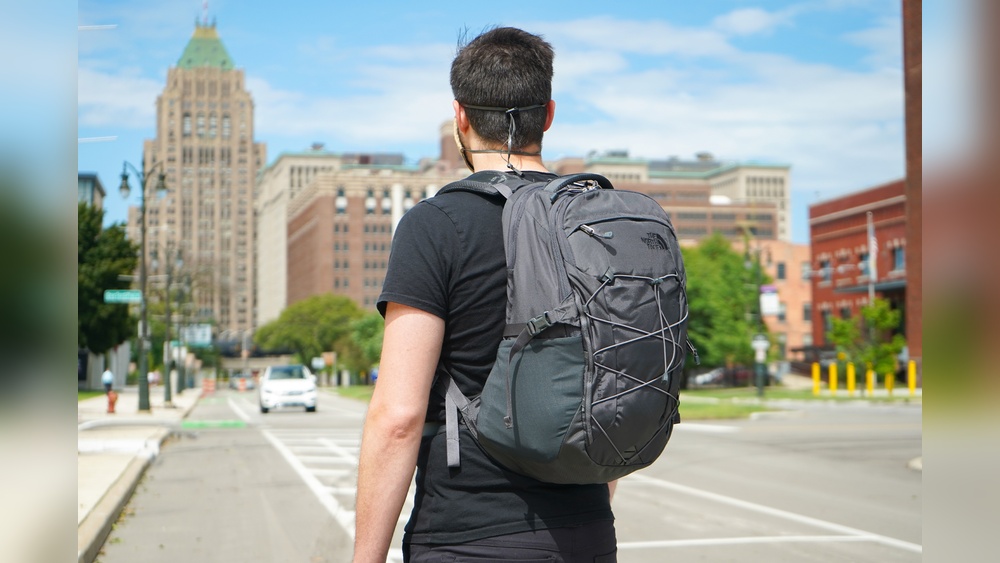
Are you struggling to add a strap to your backpack the right way? You’re not alone.
A poorly attached strap can make your backpack uncomfortable and less secure. But don’t worry—this guide will show you exactly how to add a strap to your backpack easily and quickly. By the end, you’ll have a stronger, more comfortable backpack ready for anything.
Let’s dive in and make your backpack work better for you!
Choosing The Right Strap
Choosing the right strap for your backpack is important. The strap affects comfort and how well the backpack stays on your shoulder. Picking the best strap depends on the material, size, and comfort features. These factors help you carry your load with ease and avoid pain.
Let’s explore the key points to consider when choosing a strap for your backpack.
Material Options
Straps come in many materials. Nylon is strong and lasts long. It resists water and dirt well. Polyester is another common choice. It feels smooth and dries quickly. Leather straps look nice but can be heavy. Cotton straps are soft but may wear out faster. Choose a material that fits your use and style.
Length And Width
The strap length must fit your body. Too short or too long feels uncomfortable. Adjustable straps give flexibility. Width matters too. Wide straps spread the weight better. They reduce pressure on your shoulder. Narrow straps can dig into your skin. Pick a length and width that feels good when worn.
Comfort Features
Comfort helps when carrying heavy items. Look for padded straps to soften the load. Breathable fabric stops sweat build-up. Some straps have extra cushioning in key areas. This reduces pain and fatigue. Curved straps fit the shoulder shape better. These features make carrying easier and more pleasant.
Tools Needed
Adding a strap to a backpack needs some basic tools. These tools help you work faster and get a clean result. Having the right supplies makes the task easier and safer. Prepare all items before starting your project.
Basic Supplies
- Strong needle for thick fabric
- Durable thread matching backpack color
- Measuring tape or ruler for accuracy
- Scissors sharp enough to cut fabric cleanly
- Seam ripper to remove old stitches
- Chalk or fabric marker for marking
- Pins or clips to hold fabric in place
Optional Accessories
- Thimble to protect your finger while sewing
- Heavy-duty sewing machine for faster stitching
- Fabric glue to secure straps before sewing
- Extra strap material for reinforcement
- Buckles or clips for adjustable straps
Removing Old Straps
Removing old straps from a backpack is the first step to adding new ones. It helps prepare the bag for better support and comfort. This process varies depending on how the straps are attached. Some straps use clips or buckles, while others are sewn directly onto the bag. Careful removal avoids damage to the backpack. Take your time and follow simple steps for each type of strap.
Detaching Clips And Buckles
Start by finding the clips or buckles holding the strap. Press the release buttons or tabs to open them. Gently pull the strap out of the clip or buckle. If the clip is stuck, wiggle it slightly to loosen. Avoid using too much force to prevent breaking the hardware. Set the old straps aside after removing all clips and buckles.
Handling Sewn Straps
Sewn straps require a different approach. Use small scissors or a seam ripper to cut the stitches. Work slowly to avoid cutting the fabric of the backpack. Pull out the thread pieces carefully after cutting. Remove all sewn threads to free the old strap completely. Check the backpack for any loose fabric or holes before adding new straps.
Attaching New Strap
Attaching a new strap to your backpack is a simple task that improves comfort and usability. This process ensures your backpack fits well and stays secure during use. Follow these steps carefully to add the strap correctly and safely.
Aligning Strap Position
First, find the right spot to attach the strap. Look for existing loops or bars on your backpack. The strap should lie flat and not twist. Measure both sides to keep the strap even. Proper alignment prevents discomfort and damage to the bag.
Securing With Clips
Use clips to fasten the strap securely. Slide the clip through the loop or bar on the backpack. Make sure the clip snaps into place firmly. Test the clip by pulling the strap gently. Well-secured clips keep the strap from loosening during use.
Sewing For Extra Strength
Sew the strap ends for added strength. Use strong thread and a needle suitable for fabric. Stitch multiple times over the strap area. This step prevents the strap from tearing off. Sewing adds durability, especially for heavy loads.
Adjusting Strap Fit
Adjusting the strap fit on a backpack is key for comfort and support. Proper fit helps avoid shoulder pain and back strain. It also keeps the backpack stable while you move.
Check the straps often and adjust them as needed. A well-fitted strap makes carrying heavy loads easier. Follow simple steps to get the right length and balance.
Length Adjustment Tips
Start by loosening the straps completely. Put the backpack on and pull the straps to tighten. Adjust until the backpack sits close to your back.
Make sure the straps are not too tight or too loose. Tight straps can dig into your shoulders. Loose straps cause the bag to swing and pull.
Check the strap length on both sides. They should be even to keep the bag centered. Use the buckle or slider to lock the strap in place.
Ensuring Balanced Weight
Even weight distribution reduces strain on your body. Adjust straps to keep the backpack level from side to side. Uneven load can cause discomfort and poor posture.
Use chest or waist straps if your backpack has them. These straps help spread the weight across your torso. Tighten them just enough to feel stable without restricting movement.
Carry only what you need to avoid extra weight. Balance heavy items close to your back. This helps keep the load steady and reduces stress on your shoulders.
Testing Strap Durability
Testing strap durability is an important step after adding a strap to your backpack. It ensures the strap can hold weight and stay comfortable. This process helps avoid problems like tearing or slipping. Spend time checking the strap carefully before daily use.
Load Test
Start by loading the backpack with weight similar to what you carry daily. Use books or bottles to add weight gradually. Pull the strap firmly to see if it holds well. Check the stitching and material for any signs of strain or damage. Repeat this test a few times to be sure the strap is strong enough.
Comfort Check
Wear the backpack with the new strap for at least 15 minutes. Walk around and move your shoulders to feel how the strap fits. Notice if it digs into your skin or slides off easily. Adjust the length and padding to improve comfort. A good strap feels secure but does not hurt your shoulders.
Maintaining Backpack Straps
Maintaining backpack straps helps them last longer and stay comfortable. Clean straps avoid dirt build-up, which can weaken the material. Regular checks catch small issues before they become big problems. This keeps your backpack safe to use and looking good.
Cleaning Methods
Start by wiping straps with a damp cloth. Use mild soap for tough stains. Avoid harsh chemicals that can damage fabric. Let straps air dry completely before use. Do not put straps in the dryer or direct sunlight. This keeps the material strong and flexible.
Regular Inspections
Look for frayed edges or loose threads on straps. Check the stitching near buckles and attachments. Test strap buckles to make sure they click securely. Tighten any loose screws or fasteners. Catching these issues early stops bigger damage. Regular inspections keep your backpack reliable and safe.
Frequently Asked Questions
How Do I Attach A Strap On A Backpack Strap?
To attach a strap, align the strap ends with the backpack loops. Insert the strap through the loop, then secure it tightly using the buckle or clip. Ensure it’s firmly fastened for safety and comfort.
What Tools Are Needed To Add A Backpack Strap?
Most backpack straps require no special tools. You might need scissors to trim excess strap length or a lighter to seal the ends. Buckles or clips usually come pre-attached or easy to snap on by hand.
Can I Replace A Broken Backpack Strap Myself?
Yes, you can replace a broken strap by removing the damaged one and attaching a new strap. Follow the same method as attaching a strap, ensuring all parts are secure and aligned properly.
How To Adjust Backpack Strap Length Correctly?
Adjust strap length by pulling the strap through the buckle until it fits snugly. Make sure the backpack sits comfortably on your back without causing strain or slipping.
Conclusion
Adding a strap on a backpack strap makes it easier to carry. It helps balance the weight and keeps the bag secure. Follow the steps carefully for best results. Use the right tools and materials for a strong fit. Check the strap regularly to ensure it stays tight.
This small change can make your backpack more comfortable. Give it a try and enjoy your improved bag. Simple fixes often bring the best comfort. Keep your backpack ready for any adventure ahead.