Packing a carry-on backpack might seem simple, but doing it the right way can save you time, stress, and even money. Imagine breezing through airport security without digging through a messy bag or finding everything you need easily during your trip.
You’re about to learn smart tips that make packing fast, efficient, and hassle-free. Whether you’re a seasoned traveler or packing for your first trip, these tricks will change how you prepare your carry-on forever. Ready to pack like a pro?
Let’s dive in.
Choosing The Right Backpack
Choosing the right backpack for your carry-on is very important. It affects how much you can pack and how easy it is to carry. A good backpack should fit airline rules and keep your things safe. Think about your travel style and needs before picking one.
Size And Dimensions
Size matters a lot in a carry-on backpack. Airlines have strict limits for carry-on bags. Pick a backpack that fits under the seat or in overhead bins. Measure the height, width, and depth before buying. A smaller bag helps avoid extra fees and hassle at the airport.
Material And Durability
Strong material keeps your backpack safe during travel. Choose bags made from nylon or polyester for water resistance. Durable zippers and stitching prevent tears and breaks. A tough backpack lasts many trips and protects your items well.
Compartments And Accessibility
Good organization makes packing simple. Look for backpacks with many compartments for clothes, gadgets, and documents. Easy access pockets help find items fast. Separate sections keep things neat and prevent damage.

Credit: www.youtube.com
Planning Your Essentials
Packing a carry-on backpack needs careful planning. Carrying only essentials saves space and weight. Each item should serve a clear purpose. Think about your trip length and activities. Prioritize comfort and convenience. Organize items by category for easy access.
Clothing Selection
Choose lightweight and versatile clothes. Pick items that mix and match well. Limit the number of shoes to one or two pairs. Include weather-appropriate outerwear. Roll clothes to save space and reduce wrinkles. Pack quick-dry fabrics for easier washing.
Toiletries And Personal Items
Use travel-sized containers for liquids. Keep toiletries in a clear, sealable bag. Bring only daily-use items to avoid bulk. Include essentials like toothbrush, toothpaste, and deodorant. Consider solid alternatives like bar soap and shampoo. Pack medications and small first aid supplies.
Electronics And Accessories
Bring only necessary gadgets and chargers. Use compact cases to keep cables organized. Consider a portable power bank for charging on the go. Pack headphones or earbuds for entertainment. Avoid carrying multiple bulky devices. Store devices in easy-to-reach compartments for security.
Packing Techniques
Packing a carry-on backpack needs smart techniques to save space. Using the right methods helps fit more items without making your bag heavy. These techniques also keep your clothes neat and easy to find.
Try different ways to pack and see what works best for you. Small changes can make a big difference in your travel experience.
Rolling Vs Folding Clothes
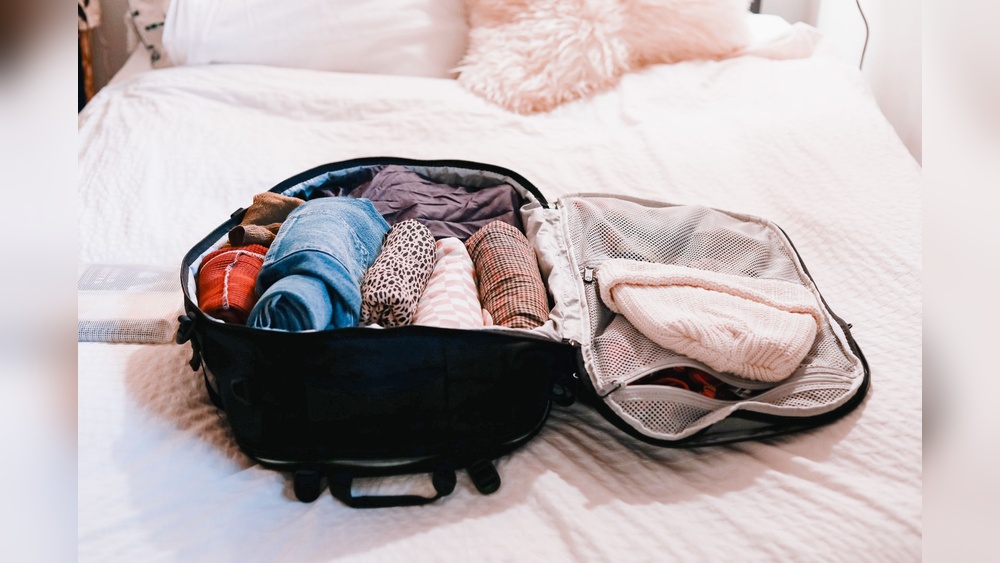
Rolling clothes saves space and reduces wrinkles. Roll each item tightly to fit more inside your backpack. This method works great for T-shirts, pants, and casual wear.
Folding is better for bulky items like jackets or formal shirts. Fold carefully to keep clothes smooth and avoid creases. Choose rolling or folding based on the type of clothing and space available.
Using Packing Cubes
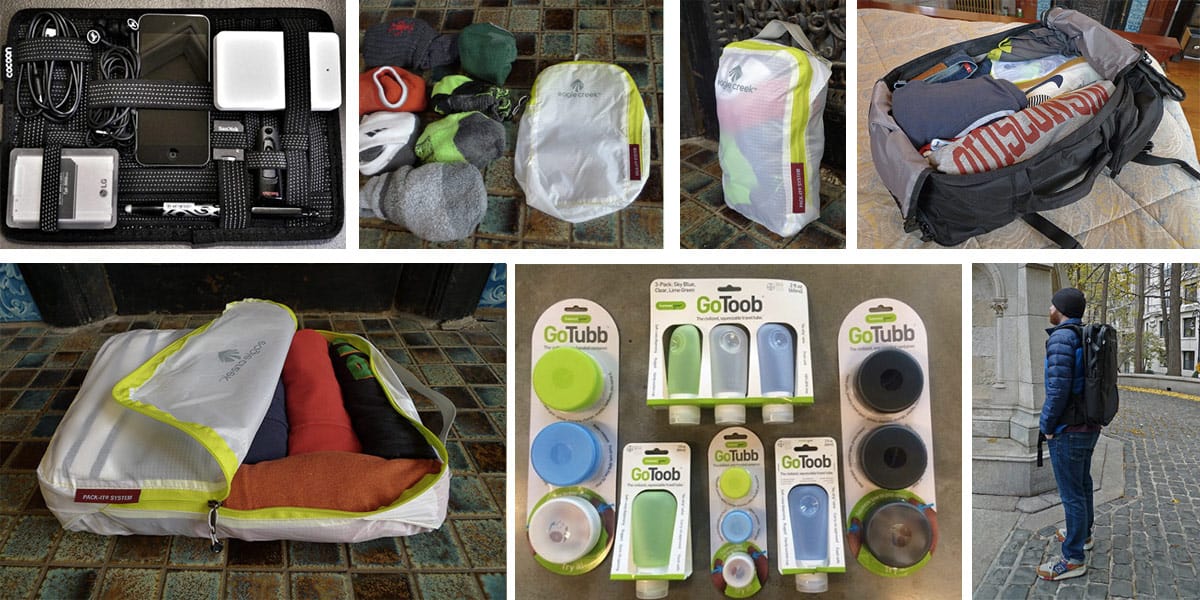
Packing cubes keep your bag organized and tidy. Use different cubes for categories like shirts, underwear, and gadgets. This way, you find what you need quickly without unpacking everything.
They also compress clothes, creating extra space. Lightweight and easy to carry, packing cubes make travel less stressful and more efficient.
Layering Strategically
Place heavy and bulky items at the bottom of your backpack. Layer lighter and softer clothes on top to protect fragile items. This keeps the bag balanced and easy to carry.
Use small items to fill gaps and prevent shifting during travel. Layering helps maximize space and keeps your belongings safe and wrinkle-free.
Maximizing Space
Packing a carry-on backpack can be tricky. Space is limited. Every inch counts. Smart packing helps you fit more without feeling heavy. Use tricks to make your backpack organized and roomy. These tips focus on smart use of space and smart choices.
Utilizing Every Nook
Fill all gaps with small items. Socks can go inside shoes. Use side pockets for chargers or cables. Roll clothes tightly to save space. Look for hidden compartments in your backpack. Stuff small bags or pouches into corners. This way, no space stays empty.
Compressing Bulky Items
Bulky clothes take the most room. Use compression bags or packing cubes. They reduce the volume of jackets and sweaters. Press out air before sealing the bags. This creates extra room for other items. Compression saves space and keeps things neat.
Multipurpose Gear
Choose items that serve more than one purpose. A scarf can be a blanket or pillow. Shoes that work for hiking and casual wear. A jacket with a hood and pockets. Multipurpose gear means fewer items to pack. This frees up space and lightens your load.
Organizing For Quick Access
Organizing your carry on backpack for quick access saves time and stress during travel. Knowing where each item is helps you stay calm and ready. Proper organization means you can find essentials fast without unpacking everything.
Essential Items On Top
Place items you use often at the top of your backpack. Snacks, a water bottle, and a light jacket are good choices. This way, you don’t have to dig deep to grab them. Keep them visible and easy to reach.
Separate Pouches For Small Items
Use small pouches or bags to group tiny items like chargers, earphones, and keys. This stops them from getting lost in the main space. Clear pouches help you spot things quickly. Labeling each pouch can make packing easier.
Easy Access To Travel Documents
Keep your passport, tickets, and boarding passes in a front pocket or a dedicated travel wallet. This allows quick checks at airports or stations. Avoid mixing them with other items to prevent delays. Always know exactly where these documents are.
Weight Management
Managing weight is key to packing a carry-on backpack. A heavy bag can strain your back and slow you down. Keeping your load light helps you move freely and enjoy your trip more.
Focus on smart packing. Every item should earn its place in your backpack. Think about what you really need for your journey.
Balancing The Load
Place heavy items close to your back. This keeps your center of gravity stable. Distribute weight evenly on both sides. Avoid putting all weight on one side. A balanced backpack feels lighter and reduces strain.
Minimizing Unnecessary Items
Review your list carefully. Remove things you can live without. Skip duplicates and extras. Choose multi-use items to save space and weight. Less clutter means less weight and more comfort.
Choosing Lightweight Gear
Pick gear made from light materials. Look for compact and durable options. Lightweight gear frees up space for essentials. Every ounce saved adds up on long trips.
Security And Safety
Keeping your carry on backpack secure and safe is very important. Your belongings stay protected. You travel with peace of mind. Small steps make a big difference in safety. Follow these tips to guard your stuff.
Using Locks And Zippers
Choose backpacks with strong zippers. Use small locks on zipper pulls. Locks stop easy access by thieves. TSA-approved locks are best for airports. Check zippers often to avoid breaks. A locked zipper adds one more safety layer.
Protecting Valuables
Keep valuable items like phones, wallets, and passports in hidden pockets. Use bags inside your backpack for extra protection. Wrap electronics in soft cloth or cases. Avoid loose items that can fall out. Store valuables close to your body when possible.
Keeping Essentials Close
Pack important items in the top or front pocket. These pockets are easy to reach quickly. Carry your travel documents in a small pouch inside the backpack. Avoid putting essentials in hard-to-reach places. Close access helps avoid losing or forgetting items.
Credit: thesavvybackpacker.com
Last-minute Tips
Packing a carry-on backpack can feel rushed at the last moment. Small mistakes may cause big problems at the airport. Follow these last-minute tips to avoid stress and travel smoothly.
Check Airline Restrictions
Verify your airline’s carry-on size and weight limits. Different airlines have different rules. Check the rules before you finish packing. Avoid surprises at the boarding gate.
Remember to review rules about liquids and electronics. Follow the guidelines strictly to save time during security checks.
Leave Room For Souvenirs
Keep some space in your backpack for souvenirs. You might buy gifts or local items during your trip. Packing too tightly leaves no room for extras.
Plan your packing list with a bit of extra space. This helps you avoid carrying a heavy second bag.
Final Bag Inspection
Do a quick check of your backpack before leaving. Make sure essential items are easy to reach. Confirm your liquids are in clear, sealed bags.
Look for any heavy or sharp items that may cause problems. A final look saves you from last-minute repacking at the airport.

Credit: www.notesfromtheroad.com
Frequently Asked Questions
How Do I Maximize Space In A Carry On Backpack?
Use packing cubes and roll clothes tightly to save space. Pack heavier items at the bottom and fill gaps with smaller items. Prioritize versatile clothing and minimize bulky items to maximize carry-on space efficiently.
What Essentials Should I Pack In A Carry On Backpack?
Include travel documents, toiletries, a change of clothes, electronics, and chargers. Pack snacks and a reusable water bottle. Prioritize items you need during the flight and those hard to replace if lost.
How Can I Keep My Carry On Backpack Organized?
Use separate compartments or packing cubes for different items. Keep frequently used items accessible. Regularly review and remove unnecessary items to maintain order and make packing quicker.
Are There Restrictions On Liquids In A Carry On Backpack?
Yes, liquids must be in containers of 3. 4 ounces (100 ml) or less. Place all liquids in a clear, quart-sized bag for security screening. Follow airline rules to avoid delays.
Conclusion
Packing a carry-on backpack can save time and stress. Choose only what you truly need. Roll clothes to save space and avoid wrinkles. Use packing cubes to stay organized and find items fast. Keep essentials like documents and chargers within easy reach.
Remember, traveling light helps you move freely and enjoy your trip more. Practice packing a few times before your journey. Soon, it will feel easy and natural. Travel smart and enjoy every moment with your well-packed carry-on backpack.