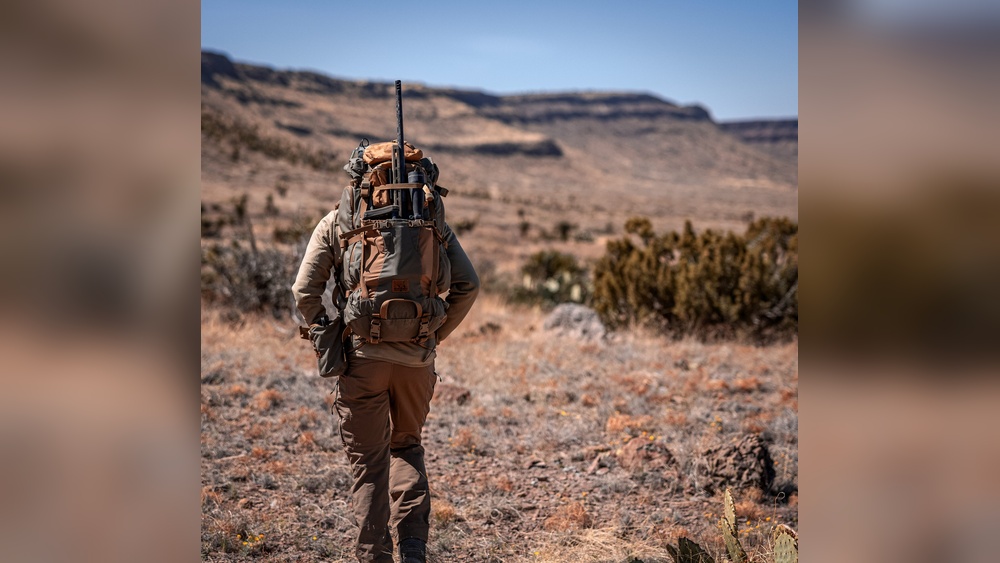
Brushing your teeth while backpacking might seem like a small detail, but it can make a huge difference in how you feel each day. Imagine waking up with fresh breath, a clean mouth, and no worries about dental problems while you’re miles away from home.
Sounds great, right? You might be wondering how to keep your teeth clean without all the usual bathroom comforts. Don’t worry—this guide will show you simple, smart ways to brush your teeth on the trail, using easy techniques and minimal gear.
Keep reading to discover how you can protect your smile and enjoy your adventure to the fullest.
Choosing The Right Toothbrush
Choosing the right toothbrush for backpacking is important. Your oral care should stay good even on the trail. A toothbrush that fits your pack and cleans well makes a big difference. Think about size, material, and eco-friendliness before you buy. These factors help you keep teeth clean without extra weight or waste.
Compact Vs. Standard Brushes
Compact toothbrushes are small and easy to carry. They save space in your backpack. Some fold or come with travel cases. Standard brushes have longer handles and bigger heads. They clean teeth well but take more room. Choose compact for light travel. Pick standard if you want better comfort.
Material And Durability
Most toothbrushes have plastic handles and nylon bristles. Plastic is light but may break if dropped. Some brushes use harder plastic for longer life. Look for strong handles that can survive rough use. Durable brushes last through many trips. Avoid very cheap ones that break fast. Good quality means better brushing on the road.
Eco-friendly Options
Biodegradable toothbrushes reduce plastic waste. Bamboo handles are natural and break down easily. Some brands offer replaceable heads to cut waste. Eco-friendly brushes help protect nature while you travel. They may cost more but last well. Choose green options to keep trails clean and healthy.
Selecting Toothpaste Alternatives
Choosing the right toothpaste alternative is important for backpackers. Carrying heavy or bulky items can slow you down. Small, lightweight options save space and keep your pack light. Some alternatives also work better outdoors or without water. Explore simple, effective ways to keep your teeth clean while traveling.
Travel-sized Toothpaste
Travel-sized toothpaste tubes are small and easy to pack. They often come in containers under 3 ounces. These sizes meet airline rules for carry-on liquids. You can find familiar brands in travel sizes. They prevent waste and last for several days. Using travel-sized toothpaste keeps your bag light and organized.
Natural And Homemade Options
Natural toothpaste alternatives use simple ingredients. Baking soda and coconut oil can clean teeth gently. Mix them to create a paste before brushing. Salt is another option for cleaning teeth outdoors. These choices avoid chemicals found in some toothpastes. Natural options are safe, eco-friendly, and easy to make on the road.
Toothpowder And Tablets
Toothpowder is a dry alternative that cleans teeth well. It is light and does not spill like toothpaste. Tooth tablets dissolve in your mouth or on a wet brush. They are compact and perfect for travel. Both toothpowder and tablets often come in reusable containers. These options reduce plastic waste and are easy to carry.
Water Sources And Hygiene
Keeping your teeth clean while backpacking needs extra care with water and hygiene. Water is not always easy to find on trails. Using safe water protects your mouth from germs. Also, you want to use as little water as possible. This helps save your supplies for drinking and cooking.
Finding Safe Water
Look for clear streams or springs away from campsites. Avoid water near farms or roads. Rainwater and melted snow can be safer options. Always check for signs of pollution. Carry a small container to collect water for brushing.
Using Minimal Water
Use a small cup or bottle to measure water. Wet your toothbrush lightly to save water. Rinse your mouth with a little water, not a lot. Spit carefully to avoid wasting water. This way, you keep your teeth clean without using too much water.
Water Purification Tips
Boil water for at least one minute before using it. Use water purification tablets or filters for quick cleaning. Carry a portable water purifier for longer trips. Avoid using untreated water to prevent sickness. Clean water keeps your mouth healthy and fresh on the trail.
Brushing Techniques On The Trail
Brushing your teeth on the trail keeps your mouth fresh and healthy. It stops bad breath and prevents tooth problems. Using the right brushing techniques saves water and energy. It helps you stay clean and comfortable during your hike.
Efficient Brushing Methods
Use a small, soft toothbrush for easy packing. Wet the brush with minimal water. Brush in small circles on each tooth surface. Clean the front, back, and chewing parts. Spend about two minutes brushing to remove dirt well. Spit out toothpaste away from water sources.
Avoiding Waste
Use a pea-sized amount of toothpaste only. Avoid rinsing your mouth with lots of water. Instead, spit and wipe your mouth with a cloth. Use biodegradable toothpaste to protect nature. Carry a small cup to save water while brushing. Keep your gear light and eco-friendly.
Timing And Frequency
Brush your teeth twice a day on the trail. Do it after breakfast and before bedtime. If you eat sugary snacks, brush soon after. This stops cavities and keeps your breath fresh. Don’t skip brushing, even when tired or busy. Clean teeth help you feel good and stay healthy.
Storing And Maintaining Gear
Storing and maintaining your teeth brushing gear while backpacking keeps it clean and ready. Proper care prevents damage and keeps your items fresh. Simple habits help your gear last longer on the trail.
Keeping Brushes Clean
Rinse your toothbrush well after each use. Shake off extra water to help it dry faster. Store it in a ventilated container or hang it to avoid moisture. Avoid closing the brush in a sealed bag, as this traps bacteria.
Packing Toothpaste And Accessories
Use travel-sized toothpaste tubes to save space. Place toothpaste and floss in a small pouch to stay organized. Choose a pouch that closes tightly to prevent leaks. Pack a small mirror or tongue scraper if you use them.
Preventing Mold And Odors
Dry your gear completely before packing it away. Use breathable bags or containers to stop moisture buildup. Leave your gear out to air on warmer days. Clean your pouch regularly to avoid bad smells and mold growth.
Additional Freshness Tips
Keeping your mouth fresh while backpacking is important. Brushing teeth alone may not be enough. Small habits can help maintain freshness all day. These extra tips are easy and useful on the trail.
Mouthwash Alternatives
Carrying liquid mouthwash can be heavy and bulky. Salt water rinses work well as a natural alternative. Mix half a teaspoon of salt with warm water. Swish it in your mouth for 30 seconds. This kills bacteria and reduces bad breath. Another option is herbal teas like peppermint or chamomile. Cool the tea and use it as a rinse. These options are light and help keep your breath fresh.
Chewing Gum And Breath Fresheners
Sugar-free gum can boost saliva flow and wash away food particles. Chewing gum with xylitol is best for oral health. Small breath freshener mints also help mask odors. Choose natural ingredients to avoid sugar and chemicals. Chewing gum or mints after meals refresh your mouth quickly. They are easy to carry and use anytime during hikes.
Diet And Hydration Effects
What you eat affects your breath greatly. Avoid strong-smelling foods like garlic and onions. Fresh fruits and crunchy vegetables help clean your teeth naturally. Drinking plenty of water keeps your mouth moist. Dry mouth causes bad breath and discomfort. Sip water regularly to rinse your mouth and stay hydrated. Proper diet and water intake are simple ways to keep fresh breath.
Frequently Asked Questions
How Do I Brush Teeth While Backpacking?
Use a compact toothbrush and travel-sized toothpaste. Brush twice daily using minimal water. Rinse with bottled or filtered water to avoid bacteria.
What’s The Best Toothpaste For Backpacking Trips?
Choose fluoride toothpaste in small tubes or tablets. Toothpaste tablets are lightweight, mess-free, and easy to carry. Avoid gels that freeze or leak.
How Can I Conserve Water When Brushing Outdoors?
Use a small cup to control water flow. Wet your brush lightly, then spit without rinsing fully. This saves water and keeps teeth clean.
Is It Safe To Use Natural Water Sources For Brushing?
Avoid using untreated water directly from lakes or streams. Always use filtered, boiled, or treated water. This prevents infections from harmful microbes.
Conclusion
Brushing your teeth while backpacking keeps your mouth healthy and fresh. Carry a small toothbrush and toothpaste for easy use. Find clean water sources to rinse your brush and mouth. Take your time and brush gently to protect your gums.
A simple routine helps prevent tooth problems on the trail. Enjoy your adventure with a bright, clean smile every day. Small habits make a big difference in your health. Stay consistent, and your teeth will thank you.