Carrying a rifle on your backpack might seem tricky at first, but it doesn’t have to be. Whether you’re heading out for hunting, hiking, or any outdoor adventure, knowing the right way to secure your rifle can make all the difference.
You want your gear to stay safe, easy to access, and comfortable to carry. You’ll discover simple, practical tips that anyone can use to carry a rifle on a backpack with confidence. Keep reading to learn how to make your next trip smoother and safer.
Credit: exomtngear.com
Choosing The Right Backpack
Choosing the right backpack for carrying a rifle is important. It affects comfort and safety while hiking or hunting. A good backpack keeps the rifle secure and easy to access. It also protects the rifle from damage. Picking the right style, material, and size makes a big difference.
Backpack Types For Rifle Carry
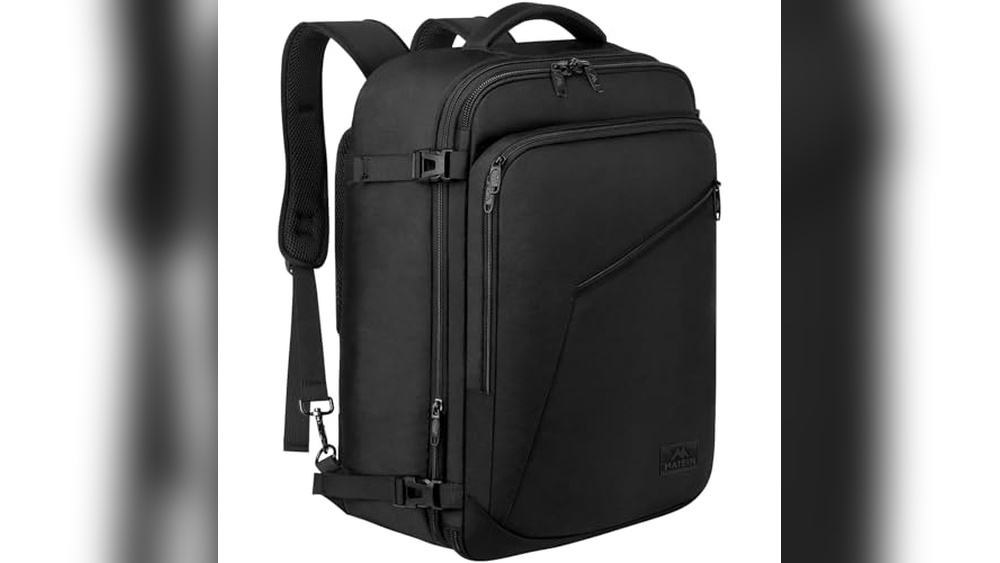
Several backpack types fit rifles well. Tactical backpacks have special straps and compartments. They keep the rifle stable and close to your body. Hunting backpacks often include padded rifle sleeves. These sleeves protect the barrel and scope. Daypacks can work too but need extra attachments. Sling backpacks offer quick rifle access for fast action.
Material And Durability
Strong material extends backpack life. Nylon and polyester are common and tough. They resist tears and water. Look for backpacks with reinforced stitching. Water-resistant coatings keep your gear dry. Durable zippers and buckles hold up under stress. Padding inside prevents scratches and bumps on the rifle. Choose a backpack that stands up to rough use.
Size And Capacity Considerations
Pick a backpack size based on your needs. Large packs hold more gear but can be heavy. Smaller packs are lighter and easier to carry. The rifle compartment must fit your rifle length and width. Extra pockets help organize ammo and tools. Balance the pack’s weight to avoid strain. A good fit improves comfort and stability on the move.
Preparing Your Rifle
Preparing your rifle before carrying it on a backpack is very important. It keeps the rifle safe and ready to use. Taking time to clean, secure, and cover your rifle protects it from damage and dirt. These steps help you enjoy your outdoor activities without worries.
Cleaning And Maintenance
Start by cleaning your rifle thoroughly. Remove dirt, dust, and moisture. Use a soft cloth and proper cleaning tools. Check the barrel and moving parts for any damage or rust. Regular maintenance ensures your rifle works well and lasts longer.
Securing The Rifle Safely
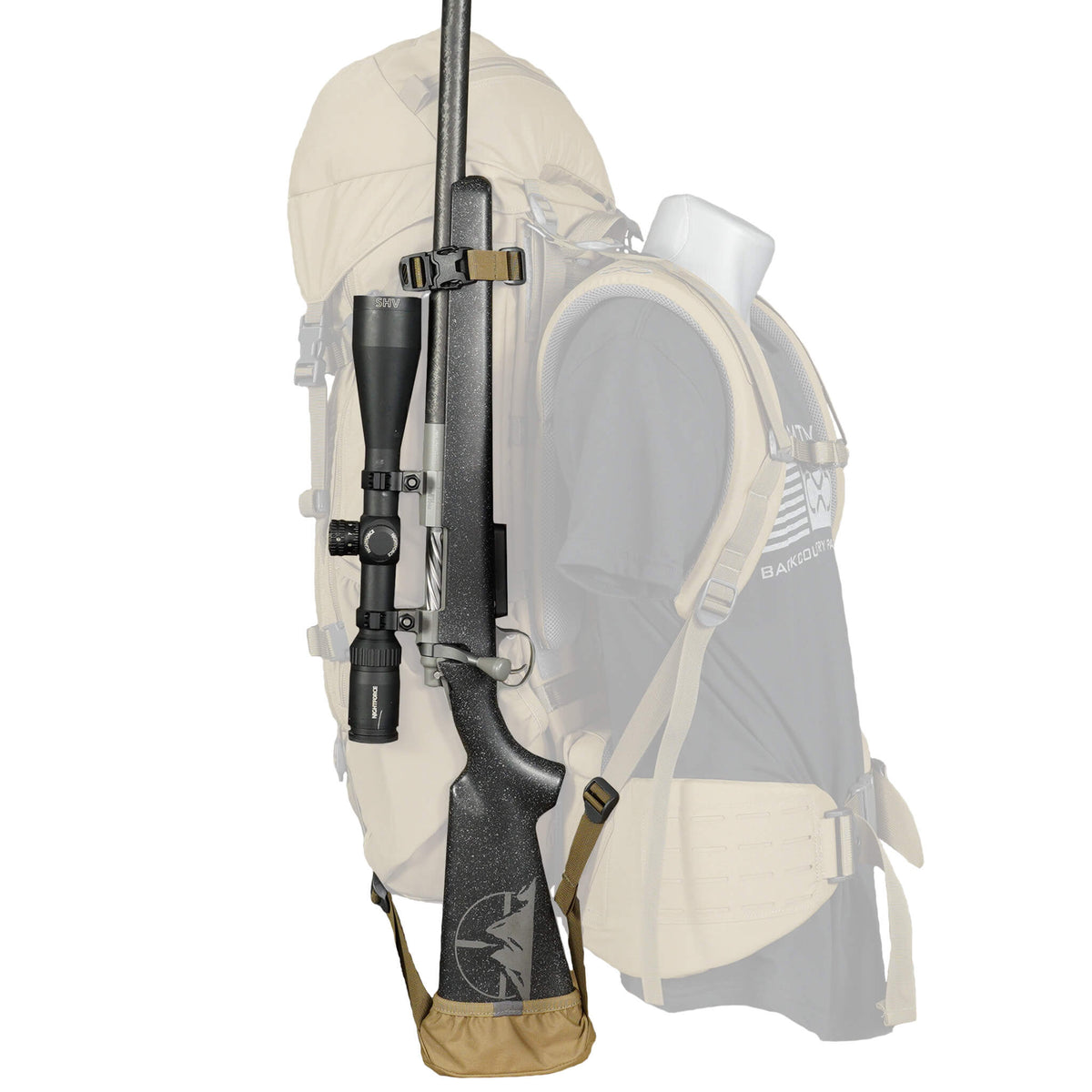
Make sure the rifle is unloaded before carrying it. Lock the action to prevent accidental firing. Use straps or mounts to hold the rifle firmly on your backpack. This prevents the rifle from moving or falling during your trip.
Using Protective Covers
Cover your rifle with a protective case or sleeve. This blocks dirt, rain, and scratches. A good cover also cushions the rifle from bumps. Choose a cover that fits well and is easy to remove.
Attaching The Rifle To The Backpack
Attaching a rifle to a backpack is essential for safe and comfortable carrying. It keeps the rifle secure and ready for use. Proper attachment also helps balance the load and protects the rifle from damage. This section covers the best ways to attach a rifle to your backpack.
Strap And Sling Options
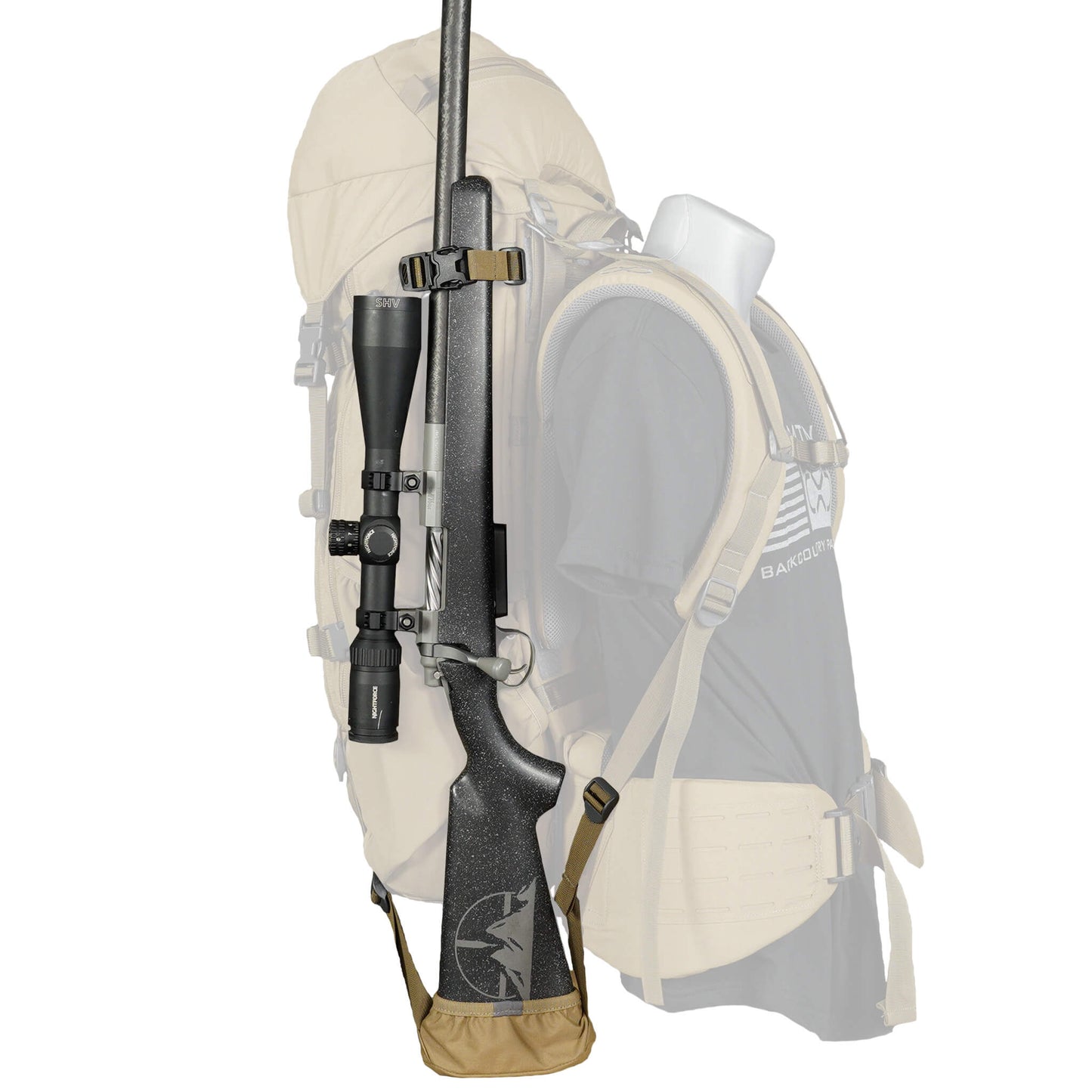
Use strong straps or slings designed for rifles. Many backpacks have built-in loops or straps for this purpose. A padded sling adds comfort and reduces shoulder strain. Adjustable straps help fit the rifle tightly. Velcro straps can secure smaller parts of the rifle. Choose straps that are easy to fasten and release quickly.
Positioning For Balance
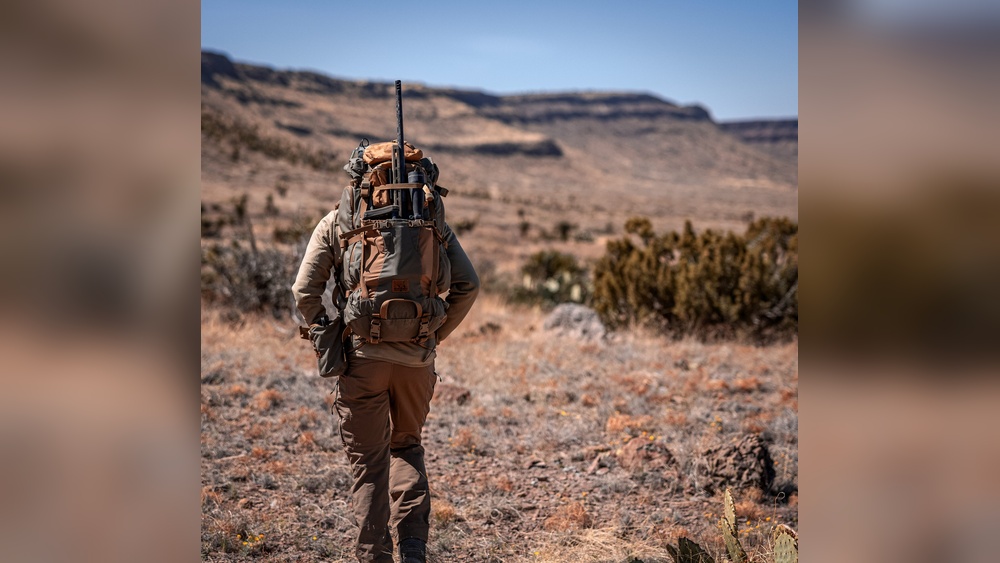
Place the rifle along the side or back of the backpack. Keep the rifle close to your body for better balance. The barrel should point down or backward to avoid hitting objects. Distribute weight evenly to prevent leaning or swaying. Check your movement before walking to ensure stability. Positioning affects your comfort and safety.
Avoiding Damage And Scratches
Use padding between the rifle and backpack to avoid scratches. Soft cloth or foam works well as a buffer. Keep metal parts from rubbing against hard surfaces. Secure loose parts to prevent swinging or hitting the pack. Regularly inspect the rifle and backpack for wear. Protecting your gear extends its life and keeps it reliable.

Credit: www.youtube.com
Safety Measures During Transport
Transporting a rifle on a backpack requires careful attention to safety. Protecting yourself and others is the top priority. Follow clear steps to keep the rifle secure and prevent accidents. Understanding key safety measures makes carrying easier and safer.
Securing The Action
Always ensure the rifle’s action is locked open or closed securely. This prevents the rifle from accidentally firing or cycling. Use a safety lock or action lock when possible. Double-check the action before placing the rifle on your backpack. This step avoids unexpected movement inside the rifle.
Avoiding Accidental Discharge
Keep the rifle unloaded before transport. Remove all ammunition from the chamber and magazine. Engage the safety mechanism to block firing. Use a sturdy rifle case or sleeve for extra protection. Position the rifle to avoid pressure on the trigger. These steps help prevent accidental shots during movement.
Legal Considerations And Compliance
Know the laws about carrying rifles in your area. Some places require rifles to be unloaded and cased. Others may need permits or special transport rules. Follow local regulations strictly to avoid fines or legal trouble. Check rules before every trip with your rifle on a backpack.
Additional Accessories For Rifle Carry
Carrying a rifle on a backpack can be easier and safer with the right accessories. These tools protect your rifle and help you carry extra gear. They make your outdoor trips more comfortable and organized. Below are some useful accessories to consider.
Using Rifle Cases And Sleeves
Rifle cases and sleeves protect your rifle from scratches and dirt. They fit around the rifle and keep it safe during travel. Some cases have padded walls for extra protection. Sleeves are lighter and easier to carry but offer less protection. Choose the right size for your rifle to ensure a snug fit.
Adding Extra Padding
Extra padding helps reduce pressure on your back and shoulders. It also cushions the rifle and prevents it from moving. Use foam pads or soft cloth inside the backpack. This keeps your rifle secure and stops damage from bumps. Padding adds comfort during long hikes or walks.
Storage For Ammunition And Gear
Keep ammunition and other gear organized in separate compartments. Many backpacks have special pockets or pouches for ammo boxes. Use small bags or containers to avoid loose items inside. This storage helps you find what you need quickly. It also keeps your gear safe and easy to reach.
Credit: exomtngear.com
Tips For Comfortable Carrying
Carrying a rifle on your backpack can be tough without the right approach. Comfort matters a lot to keep you moving without pain or stress. Small changes make a big difference. These tips help you carry your rifle comfortably and safely.
Adjusting Straps For Weight Distribution
Start by loosening all backpack straps. Place the backpack on your back. Tighten the shoulder straps until the pack feels snug. Use the waist belt to shift weight to your hips. This reduces pressure on your shoulders. Adjust the chest strap to keep the load steady. Even weight stops the rifle from pulling one side. Check the fit after a few steps and readjust.
Managing Backpack Load
Pack heavy items close to your back. Keep the rifle secured in a side or back holder. Avoid letting the rifle swing or move. Balance other gear around the rifle to prevent shifting. Use compression straps to tighten the pack. A stable load feels lighter and easier to carry. Avoid overpacking to reduce strain on your body.
Taking Breaks And Checking Gear
Stop regularly to rest your shoulders and hips. Use breaks to check the rifle’s position. Make sure straps stay tight and the rifle is secure. Fix any loose parts before continuing. Small adjustments keep comfort high and prevent injury. Drink water and stretch to stay fresh. Breaks help you carry longer without pain.
Frequently Asked Questions
How Do I Secure A Rifle On My Backpack Safely?
Use dedicated rifle straps or scabbards attached to your backpack. Ensure the rifle is tightly fastened and does not move during hikes. Position the rifle to avoid snagging on branches or obstacles for safety and convenience.
What Is The Best Backpack Type For Carrying A Rifle?
Choose a tactical or hunting backpack with built-in rifle compartments or attachment points. These backpacks offer stability and protection for your firearm while distributing weight evenly for comfort during long treks.
Can I Carry A Loaded Rifle On My Backpack?
It is unsafe and often illegal to carry a loaded rifle on your backpack. Always unload and secure ammunition separately. Follow local laws and safety guidelines to prevent accidents.
How To Prevent Rifle Damage While Carrying On A Backpack?
Use padded rifle sleeves or cases to protect your firearm from scratches and impacts. Attach it securely to avoid excessive movement. Regularly check straps and padding during your trip to maintain protection.
Conclusion
Carrying a rifle on your backpack keeps your hands free and gear balanced. Choose the right straps and secure your rifle tightly. Always check your setup before moving. Stay safe by handling your rifle carefully. Practice carrying it to find what works best.
This simple method helps you travel light and stay ready. Keep your rifle close but safe on your pack. Remember, comfort and security matter most on any trip.