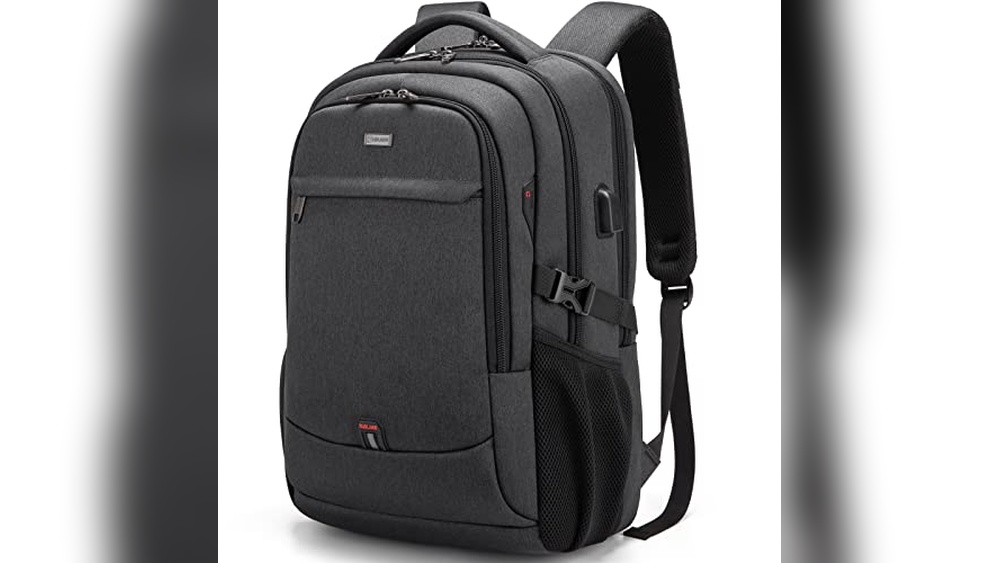
Choosing the right camera backpack can make a huge difference in how you carry and protect your gear. You want something that fits your camera, lenses, and accessories perfectly, while also being comfortable to wear.
But with so many options out there, how do you pick the best one for your needs? This guide will help you understand what to look for, so you can find a camera backpack that keeps your equipment safe and makes your photography adventures easier.
Keep reading to discover the key tips that will simplify your choice and boost your confidence every time you pack up and go.
Types Of Camera Backpacks
Choosing the right camera backpack depends on your needs and style. Different backpacks serve different purposes. Understanding the types helps you pick the best one.
Daypacks
Daypacks are small and light. They hold a camera, a few lenses, and some accessories. Perfect for short trips or daily use. Easy to carry and quick to access your gear.
Travel Backpacks
Travel backpacks are larger and more organized. Designed for long trips and heavy gear. They offer more space for clothes and camera equipment. Great for photographers who travel far and need extra storage.
Sling Backpacks
Sling backpacks have a single strap. You wear them across your body. They offer fast access to your camera without taking the bag off. Ideal for urban photographers and quick shoots.
Roller Backpacks
Roller backpacks have wheels and a handle. They are heavy-duty and protect expensive equipment well. Suitable for airport travel and long journeys. You can pull them instead of carrying on your back.
Key Features To Look For
Choosing the right camera backpack means focusing on key features. These features help protect your gear and make carrying easier. A good backpack supports your shooting style and travel habits. Here are the main features to consider.
Capacity And Size
Pick a backpack that fits your camera and lenses comfortably. It should have enough space for extra batteries, memory cards, and accessories. Avoid bags that are too big or too small. The right size keeps your gear safe and organized.
Comfort And Fit
Look for padded straps and back support. These reduce strain during long walks or hikes. Adjustable straps help the bag fit your body well. A comfortable backpack lets you focus on shooting, not on carrying.
Weather Resistance
Your backpack should protect gear from rain, dust, and dirt. Water-resistant materials and rain covers keep your camera dry. This feature is vital for outdoor photographers. It helps your equipment last longer.
Accessibility
Easy access to your camera saves time. Choose bags with quick side or top openings. Organized compartments let you find items fast. Accessibility means you won’t miss important shots.
Security Features
Security prevents theft and damage. Look for lockable zippers and hidden pockets. Some backpacks have anti-theft straps or reinforced material. These features keep your gear safe in crowded places.
Material And Durability
Choosing the right material and durability for your camera backpack is very important. It protects your expensive gear from damage and harsh weather. A strong backpack lasts longer and keeps your equipment safe. Learn about different materials and features to find the best fit.
Common Materials
Most camera backpacks use nylon, polyester, or canvas. Nylon is light, strong, and resists tears. Polyester is affordable and holds color well. Canvas is heavy but very durable. Each material has pros and cons for daily use.
Waterproofing Options
Waterproofing keeps your gear dry in rain or snow. Some backpacks have water-resistant coatings. Others use waterproof zippers and sealed seams. Some come with rain covers for extra protection. Choose the level of waterproofing based on your environment.
Build Quality
Check the stitching and zipper strength. Good quality stitching prevents rips and tears. Heavy-duty zippers last longer and open smoothly. Look for reinforced corners and padded straps. These details add to the backpack’s durability and comfort.
Organization And Storage
Organization and storage are key when choosing a camera backpack. Good organization keeps your gear safe and easy to find. It saves time and avoids frustration during shoots. A well-designed backpack helps you carry all essentials comfortably.
Compartments For Gear
Look for backpacks with multiple compartments. Separate spaces keep cameras, lenses, and other gear apart. Padded dividers protect your equipment from bumps. Adjustable compartments allow you to customize space. This helps fit gear of different sizes securely.
Laptop And Tablet Pockets
Many photographers need to carry a laptop or tablet. A dedicated padded pocket keeps these devices safe. It also prevents scratches and damage. Choose a backpack with easy access to these pockets. This makes working on the go simple and quick.
Accessory Holders
Small accessories like memory cards, batteries, and cables need proper storage. Specialized holders or mesh pockets keep them organized. This prevents loss and keeps them within reach. Some backpacks also offer external pockets for quick access to small items.
Budget Considerations
Choosing the right camera backpack depends a lot on your budget. A clear budget helps narrow down your options quickly. It ensures you get good value without overspending. This section breaks down backpacks by price range. You can find quality bags in every category.
Entry-level Options
Entry-level backpacks suit beginners or tight budgets. These bags offer basic protection and storage. They usually have simple designs and fewer compartments. Materials may not be very durable but still protect your gear. These bags are lightweight and easy to carry. Ideal for short trips or casual photographers.
Mid-range Backpacks
Mid-range backpacks balance price and features well. Expect better padding and sturdier materials here. They have more compartments and adjustable dividers. Some offer weather-resistant fabrics for extra protection. These bags fit most professional and hobbyist needs. Great for those who carry more gear regularly.
High-end Choices
High-end backpacks focus on durability and comfort. They use premium materials and advanced designs. Features often include waterproof zippers and ergonomic straps. Many have customizable interiors for different camera setups. These bags are perfect for serious photographers. They handle heavy gear and rough conditions with ease.
Brand Recommendations
Choosing the right camera backpack means trusting a brand known for quality. Some brands have earned a strong reputation for durability, comfort, and smart design. These brands offer a variety of options for photographers of all levels.
Popular Brands
Brands like Lowepro, Manfrotto, and Tamrac are well-known worldwide. They make backpacks that fit different camera gear sizes. Their products often include padded compartments and easy access points. Many photographers prefer these brands for reliability and design. These backpacks also balance comfort with protection.
Specialized Camera Backpack Makers
Some brands focus only on camera bags and backpacks. Think Tank Photo and Peak Design are leaders here. They create bags with unique features tailored for photographers. Their backpacks often include modular compartments and weather-resistant materials. These makers listen closely to photographer needs. Their designs aim to make photo outings easier and safer.
Tips For Testing Backpacks
Testing a camera backpack before buying helps avoid future problems. It ensures the bag fits your body and gear perfectly. Testing also reveals how comfortable it feels during use. Follow these key tips to test backpacks effectively.
Trying On For Fit
Put the backpack on and adjust all straps. Check if it sits well on your shoulders and back. The straps should not dig into your skin. Make sure the bag feels balanced and snug. Walk around a bit to see if it shifts or slides.
Loading With Gear
Pack the backpack with your camera and accessories. Use all compartments to see how much gear fits. Check if you can reach your equipment easily. Notice if the bag becomes bulky or awkward with gear inside.
Checking Weight Distribution
Feel how the weight spreads across your body. The backpack should not pull backward or strain your shoulders. A good bag spreads weight evenly on hips and shoulders. Adjust straps to improve balance and comfort. This reduces fatigue during long photo trips.
Maintenance And Care
Taking care of your camera backpack keeps it safe and lasting longer. Proper maintenance protects your gear and ensures the bag stays clean and functional. Small efforts in cleaning, storing, and repairing go a long way.
Cleaning Tips
Use a soft brush or cloth to remove dirt and dust. Spot clean stains with mild soap and water. Avoid harsh chemicals that can damage fabric and zippers. Let the backpack air dry completely before storing it.
Storage Advice
Store the backpack in a cool, dry place away from sunlight. Keep it empty or with padding inside to keep its shape. Avoid placing heavy items on top to prevent crushing. Use a dust cover or bag to protect from dust and moisture.
Repair Options
Check zippers, straps, and seams regularly for damage. Small tears can be fixed with strong fabric glue or patches. Replace broken parts like buckles or zipper sliders promptly. Visit a professional if the damage is more serious.
Frequently Asked Questions
What Features Should I Look For In A Camera Backpack?
Look for padded compartments, weather resistance, and adjustable dividers. Ensure it has comfortable straps and extra pockets for accessories. These features protect your gear and improve convenience during travel or shoots.
How Do I Choose The Right Size Camera Backpack?
Select a backpack that fits your camera body, lenses, and accessories. Consider your shooting style and how much gear you carry daily. Avoid overly large bags to stay lightweight and comfortable.
Are Camera Backpacks Suitable For Everyday Use?
Yes, many camera backpacks are designed for daily use. They combine protection and style, making them great for commuting or casual photography. Look for a sleek design if you want a versatile everyday option.
Can I Carry A Laptop In A Camera Backpack?
Many camera backpacks include a padded laptop compartment. Check the size to match your laptop’s dimensions. This feature is ideal for photographers who edit on the go.
Conclusion
Choosing the right camera backpack protects your gear and makes travel easy. Think about size, comfort, and compartments to keep things organized. A good backpack fits your camera and accessories well. Don’t forget to check for durability and weather resistance.
Take your time comparing options before buying. The right choice helps you focus on capturing great photos. Keep these tips in mind for your next adventure. Your gear deserves safe and easy carrying.