
Are you wondering what size a carry on backpack should be? Choosing the right size can save you from frustrating airport hassles and extra fees.
But with so many options out there, it’s easy to get confused. You’ll discover exactly what dimensions work best for your carry on backpack. You’ll learn simple tips to pick the perfect size that fits airline rules and keeps your belongings safe.
Keep reading to make your next trip smoother and stress-free!

Credit: www.amazon.com
Carry On Size Limits
Carry on size limits matter for every traveler. Airlines set rules on how big your backpack can be. These rules keep the boarding process smooth and safe. Knowing size limits helps you pack right and avoid extra fees. Each airline may have its own limits. Understanding these variations saves time and stress at the airport.
Airline Size Variations
Each airline sets its own size limits for carry on bags. Most allow backpacks around 22 x 14 x 9 inches. Some airlines have smaller size limits, like 21 x 15 x 7 inches. Low-cost airlines often have stricter size rules. International flights may also have different limits. Check your airline’s website before packing your backpack. Measuring your bag before the trip avoids surprises at the gate.
Weight Restrictions
Weight limits are as important as size. Airlines usually allow carry ons to weigh between 15 and 22 pounds. Some budget airlines set lower weight limits. Overweight bags may need to be checked in or face extra fees. Use a luggage scale to check your backpack’s weight. Packing light helps stay within weight limits and move easily through airports.
Standard Carry On Backpack Dimensions
Choosing the right carry on backpack size matters a lot. Airlines have rules about what fits in the cabin. Knowing the standard dimensions helps you pick the best bag. It also saves you time and hassle at the airport.
Typical Height
The usual height of a carry on backpack is around 18 to 22 inches. This size fits most airline overhead compartments. It is tall enough to hold essentials but small enough to carry easily.
Width
Width usually ranges from 12 to 14 inches. This width keeps the bag compact and easy to handle. It fits well in tight spaces like airplane aisles and overhead bins.
Depth
Depth measures about 7 to 9 inches. This depth offers enough room for clothes and gadgets. It keeps the backpack slim for easy storage during flights.
Volume In Liters
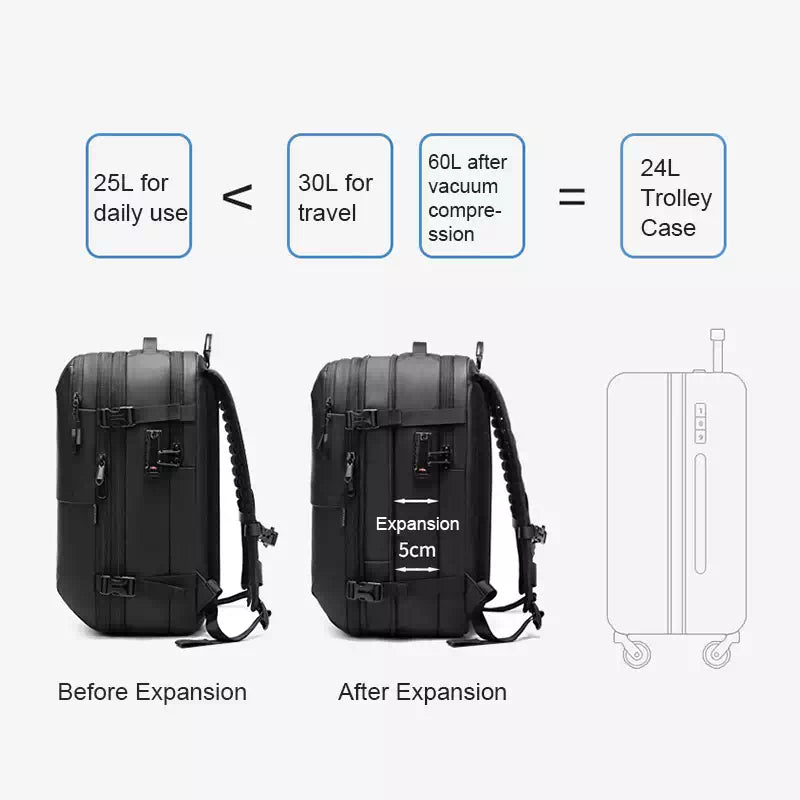
Standard carry on backpacks hold between 30 and 40 liters. This volume is perfect for short trips or business travel. It balances capacity and portability well.
Choosing The Right Backpack Size
Choosing the right backpack size matters a lot for your travel comfort. A carry-on backpack should fit airline rules and hold your essentials. The correct size saves time at the airport and avoids extra fees. It also helps you stay organized and travel light. Think about your trip length and what you like to pack before buying.
Short Trips Vs Long Trips
Short trips need smaller backpacks, usually 20-30 liters. They fit clothes for a few days and some basics. Small bags are lighter and easier to carry. Long trips need bigger backpacks, around 40-50 liters. They hold more clothes and gear. Bigger bags give space but weigh more. Choose size based on how many days you travel.
Personal Packing Style
Some travelers pack light and use small backpacks. They wear clothes more than once and carry few items. Others like to bring more stuff and need bigger bags. Think about your style before choosing size. A backpack that fits your habits makes travel easier. Test packing your things to find the right size.
Materials And Weight Considerations
Choosing the right materials and considering weight is key for carry on backpacks. Light weight helps you carry the bag easily. Strong materials keep the backpack safe and last longer. These factors affect comfort and durability. Understanding fabrics and build quality helps in picking the best carry on backpack for your needs.
Lightweight Fabrics
Lightweight fabrics reduce the overall weight of the backpack. Nylon and polyester are common choices. They are thin but strong. These fabrics dry quickly and resist water. This makes them good for travel and daily use. Lightweight fabrics make the backpack easier to carry all day.
Durability Factors
Durability means how long the backpack lasts. Thick fabric and strong stitching help. Look for backpacks with reinforced seams. Heavy-duty zippers add to durability. Padding in straps and back protects from wear. Durable backpacks resist tears and damage during travel.
Popular Carry On Backpack Brands
Choosing the right carry on backpack is important for travel comfort and convenience. Many brands offer backpacks that fit airline size rules perfectly. These brands focus on durability, style, and functionality. Travelers can find options that suit their needs and budgets easily.
Top Rated Models
Popular brands like Osprey, Nomatic, and Tortuga lead the market. Osprey’s Farpoint series is known for its sturdy design and large capacity. Nomatic backpacks combine sleek looks with smart features. Tortuga offers spacious bags that fit under airline seats. These models have strong reviews from frequent flyers.
Budget-friendly Options
Brands like AmazonBasics and Matein offer good quality at lower prices. AmazonBasics backpacks provide solid construction and simple designs. Matein backpacks often include USB charging ports and anti-theft features. These affordable choices meet carry on size limits and suit casual travelers well.
Packing Tips For Carry On Backpacks
Packing a carry on backpack requires smart planning. Space is limited, so every item must fit well. Good packing helps avoid stress at airports and during travel. It also keeps belongings safe and easy to find. Follow these tips to pack efficiently and enjoy your trip.
Maximizing Space
Choose clothes that are light and easy to fold. Roll clothes instead of folding to save room. Use packing cubes to compress items tightly. Place heavy items at the bottom for balance. Fill small gaps with socks or chargers. Avoid packing things you can buy later at your destination.
Organizing Essentials
Keep important items like passport and tickets in a top pocket. Use clear bags for toiletries to pass security quickly. Group similar items together for easy access. Use small pouches for electronics and chargers. Pack a change of clothes in an outer compartment. This saves time and keeps things neat during your journey.
Security And Accessibility
Security and accessibility are key for any carry on backpack. You want your items safe but easy to reach. This balance makes travel smooth and less stressful.
Lock Features
Many carry on backpacks include lock features. These locks protect your belongings from theft. TSA-approved locks allow airport security to check bags without damage. Some backpacks have built-in combination locks for extra safety. Zippers that lock together add a strong layer of security. Locks give peace of mind during busy travel days.
Easy Access Compartments
Easy access compartments keep your essentials within reach. Front or side pockets hold items like passports and phones. Quick-access pockets save time at airport checks. Separate compartments help organize small items neatly. Some backpacks open like a suitcase for fast packing and unpacking. Accessibility means less hassle and better travel flow.
Credit: www.lukecase.com
Travel Regulations And Updates
Travel rules often change. Carry-on backpack sizes must follow these rules. Knowing current regulations helps avoid problems at the airport. This section covers recent changes by airlines and international travel rules. Stay updated to pack smart and travel with ease.
Recent Airline Policy Changes
Many airlines have updated their carry-on size limits. Some allow larger backpacks, while others are stricter. Low-cost airlines often have tighter size rules. Always check your airline’s website before packing. Some airlines charge extra for bags that do not fit. Using a backpack within size limits saves money and time.
International Travel Rules
Different countries have different carry-on regulations. Airport security also has size and weight limits. Some countries limit liquids and electronics in carry-ons. International flights may have stricter rules than domestic flights. Follow the rules of your destination and transit airports. This avoids delays and lost items during your journey.

Credit: www.thepackablelife.com
Frequently Asked Questions
What Are The Standard Carry On Backpack Dimensions?
Standard carry on backpacks usually measure 22 x 14 x 9 inches. This size fits most airline overhead bins and complies with TSA rules. Always check your airline’s specific size limits before traveling to avoid issues at boarding.
Can I Use Any Backpack As A Carry On?
Not all backpacks qualify as carry on bags. Only those meeting airline size restrictions are allowed. It’s essential to choose a backpack designed for carry on use, ensuring it fits overhead bins and holds your essentials securely.
How Do Carry On Backpacks Compare To Regular Backpacks?
Carry on backpacks are compact and structured to meet airline size limits. Regular backpacks can be larger and less structured. Carry on backpacks maximize storage while remaining portable and compliant with travel regulations.
Are Carry On Backpacks Suitable For Long Trips?
Yes, carry on backpacks are great for short to medium trips. They offer convenience and easy access to belongings. However, for longer trips, you might need additional luggage due to limited space.
Conclusion
Choosing the right carry-on backpack size helps you travel with ease. Airlines usually allow bags around 22 x 14 x 9 inches. Staying within these limits avoids extra fees or delays. A smaller backpack fits better in overhead bins and under seats.
Think about what you need to carry and pack smart. This way, your bag stays light and manageable. Travel becomes less stressful with a proper-sized carry-on. Simple and clear choices make every trip smoother.


