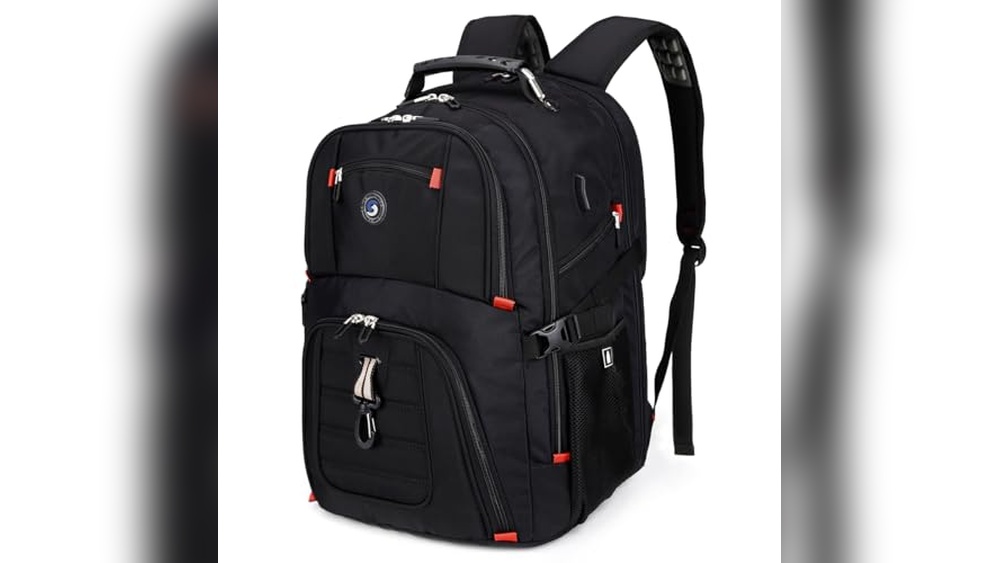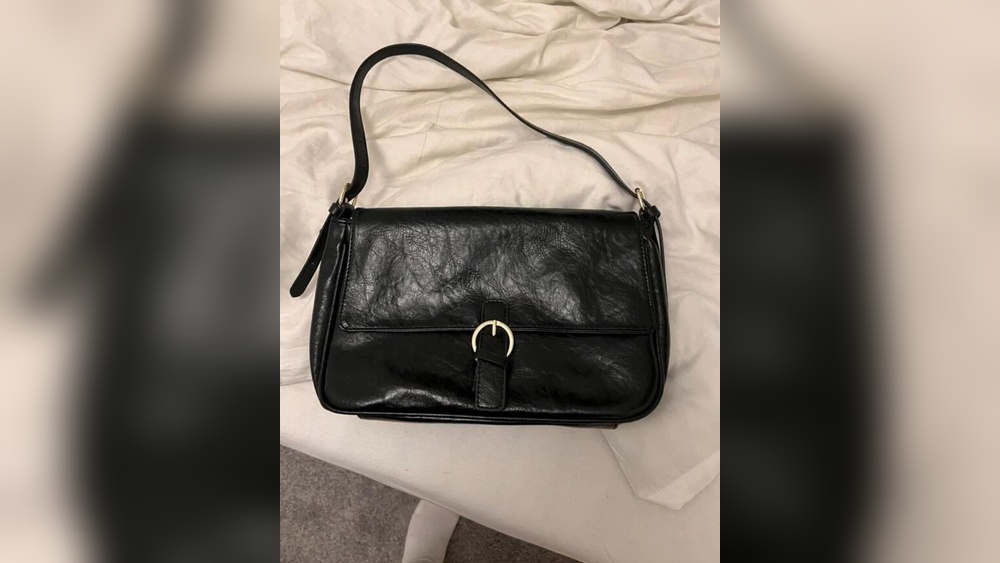
Have you ever opened your backpack only to be hit by a strange, fishy smell? It’s confusing and a bit frustrating, especially when you can’t figure out where it’s coming from.
You might wonder if your backpack is spoiled or if something inside is causing the odor. The good news is, you’re not alone—and there are simple reasons behind that weird fish smell. Keep reading to discover why your backpack smells like fish and how you can fix it fast.

Credit: www.reddit.com
Common Causes Of Fishy Backpack Smell
A fishy smell in a backpack can be unpleasant and puzzling. Several common causes lead to this odor. Knowing these causes helps in removing the smell and keeping your bag fresh.
Leftover Food Residue
Small bits of food can hide in backpack pockets or seams. These leftovers start to rot and cause a strong fishy smell. Even crumbs from snacks can create this odor over time.
Moisture And Mold Growth
Backpacks often trap moisture from rain or sweat. This dampness creates an ideal place for mold and mildew to grow. Mold produces a sharp, fishy smell that sticks to the fabric.
Dirty Water Bottles
Water bottles left inside the backpack can leak or sweat. If not cleaned regularly, they develop bacteria and odors. These smells mix with the bag’s fabric, causing the fishy scent.
Sweaty Fabrics
Sweat-soaked clothes or gym gear in the backpack can smell bad. Sweat breaks down and emits a strong fishy odor. The fabric holds this smell until washed properly.

Credit: uobags.com
Quick Ways To Remove Odor
Removing a fishy smell from your backpack is easy with a few simple tricks. These quick methods help freshen up your bag fast. You do not need special products or skills. Just use items you probably have at home.
Air Out Your Backpack
Open all zippers and pockets. Leave the backpack in a dry, sunny place. Sunlight kills bacteria that cause odors. Air circulation removes trapped smells. Do this for several hours or overnight. This simple step often cuts down strong fishy odors.
Use Baking Soda
Sprinkle baking soda inside your backpack. It absorbs bad smells naturally. Let it sit for at least a few hours. You can also leave it overnight for better results. Shake out the baking soda before using your bag again. Baking soda is safe and very effective.
Apply White Vinegar
Mix equal parts white vinegar and water in a spray bottle. Lightly spray the inside of the backpack. Vinegar neutralizes strong odors quickly. Leave the backpack open to dry completely. The vinegar smell will disappear as it dries. This method works well for stubborn fish smells.
Try Activated Charcoal
Place small bags of activated charcoal inside your backpack. Charcoal traps and removes odors naturally. Leave the bags inside for a day or two. Activated charcoal does not have a smell. It is a great long-term solution to keep your backpack fresh.
Deep Cleaning Methods
Deep cleaning your backpack removes the fishy smell and keeps it fresh. Dirt, sweat, and leftover food cause odors. Regular cleaning stops the smell from coming back. Follow these easy methods to clean your backpack well.
Hand Washing Tips
Fill a basin with warm water and mild detergent. Use a soft brush or cloth to scrub all areas. Focus on pockets, zippers, and seams. Rinse the backpack thoroughly to remove soap. Gently squeeze out excess water without twisting. Hand washing helps protect delicate materials and keeps the shape intact.
Machine Washing Guidelines
Check the backpack label for washing instructions. Use a gentle cycle with cold water and mild detergent. Place the backpack in a laundry bag or pillowcase. Remove all detachable parts before washing. Avoid bleach or fabric softeners that damage fabric. Machine washing suits sturdy backpacks with tough fabrics.
Drying Properly To Avoid Smell
Air dry the backpack in a well-ventilated area. Hang it upside down to let water drain out. Avoid direct sunlight to prevent color fading. Do not use a dryer as heat damages materials. Make sure the backpack is fully dry before storing. Proper drying stops mold and bad odors from forming.
Preventing Future Fishy Smells
Preventing future fishy smells in your backpack helps keep it fresh and clean. Taking simple steps stops bad odors from returning. These habits protect your bag and your belongings.
Regular Cleaning Routine
Clean your backpack often. Use mild soap and warm water to wash it. Pay attention to corners and pockets. Let it dry completely before use. A clean bag reduces the chance of bad smells.
Avoiding Food Spills
Keep food sealed tightly in containers. Avoid placing fish or strong-smelling items directly in the bag. Clean spills right away. Food stains cause odors to build up quickly.
Keep Backpack Dry
Moisture causes smells to grow fast. Dry your backpack after rain or sweat. Store it in a dry place. Use a towel to absorb moisture inside the bag.
Store With Odor Absorbers
Use baking soda or charcoal bags inside your backpack. These absorb bad smells naturally. Replace them regularly for best results. They keep your bag smelling fresh without harsh chemicals.
When To Replace Your Backpack
Knowing when to replace your backpack helps keep your items safe and fresh. A backpack that smells like fish might need more than just cleaning. Some odors stick around and signal a bigger problem. Replacing your backpack at the right time avoids health risks and discomfort. Check for clear signs before deciding to toss it out.
Signs Of Irreversible Odor
Persistent fishy smell that won’t go away is a major sign. Cleaning and airing out the backpack does not help. The smell may come from deep inside the fabric. Smell lingers even after several washes. This means odor molecules have soaked into the material. At this stage, the backpack cannot be fully refreshed.
Other signs include discoloration or a sticky feel inside. These indicate the odor has changed the backpack’s fibers. Smell and texture damage together mean it is time to replace. Using a backpack with bad odor can cause nausea or headaches.
Damage From Mold Or Mildew
Mold or mildew growth often causes a fishy or musty smell. Look inside all pockets and seams for black or green spots. Mold spreads quickly and weakens fabric strength. It can cause skin irritation or allergic reactions.
Backpacks with mold damage should not be reused. Cleaning mold is difficult and may not remove all spores. Mold can hide deep in padding or lining. Replacing the backpack protects your health and belongings.

Credit: www.reddit.com
Frequently Asked Questions
Why Does My Backpack Smell Like Fish?
A fishy smell often comes from moisture trapped inside your backpack. This creates a breeding ground for bacteria and mold. Leftover food or damp clothes can worsen the odor. Regular cleaning and drying prevent the smell from developing.
Can Damp Clothes Cause A Fishy Backpack Smell?
Yes, damp clothes promote bacterial growth, causing unpleasant odors. When stored in a closed backpack, moisture increases this effect. Always dry clothes completely before packing. Use moisture absorbers or air out your bag regularly to avoid the smell.
How Can I Remove Fishy Odor From My Backpack?
To remove the odor, clean your backpack with mild soap and water. Let it air dry completely in sunlight if possible. Baking soda or vinegar can neutralize odors. Avoid storing wet items inside to prevent recurring smells.
Does Leftover Food Cause Fishy Backpack Smells?
Yes, leftover food can rot and emit a fishy odor. Food spills or crumbs trapped inside the bag contribute to bacterial growth. Clean your backpack regularly and remove any food immediately to keep it fresh.
Conclusion
A fishy smell in your backpack usually means something wet or spoiled stayed inside. Clean your bag often and let it dry well. Check for leftover food, damp clothes, or spilled liquids. Using baking soda or vinegar can help remove odors.
Taking care of your backpack keeps it fresh and ready for use. Small habits prevent bad smells from coming back. Remember, a clean bag means a happier, fresher day out. Easy steps make a big difference.