
Have you ever felt weighed down by carrying everything in your hands or worrying about where to put your books during class? Imagine having your backpack right by your side, making it easy to access your supplies whenever you need them.
Allowing backpacks in class could change the way you learn, stay organized, and feel comfortable throughout the school day. Keep reading to discover why backpacks belong in your classroom and how they can make your school life easier and more productive.
Benefits Of Carrying Backpacks
Carrying backpacks in class offers many practical benefits. Students can keep all their items in one place. This helps manage school supplies better and supports learning.
Backpacks allow students to bring everything they need. Books, notebooks, pens, and snacks fit easily. This convenience helps students stay prepared throughout the day.
Improved Organization
Backpacks help students organize their materials neatly. They can separate books, homework, and personal items. This order makes it easier to find things quickly.
With better organization, students waste less time searching for items. They can focus more on lessons and activities. This leads to better classroom participation and success.
Easy Access To Supplies
Backpacks give students quick access to their supplies anytime. No need to ask for help or borrow from others. This independence encourages responsibility and confidence.
Students can grab what they need during class without delay. This helps them follow instructions smoothly. They can complete tasks faster and more efficiently.
Reduced Forgetfulness
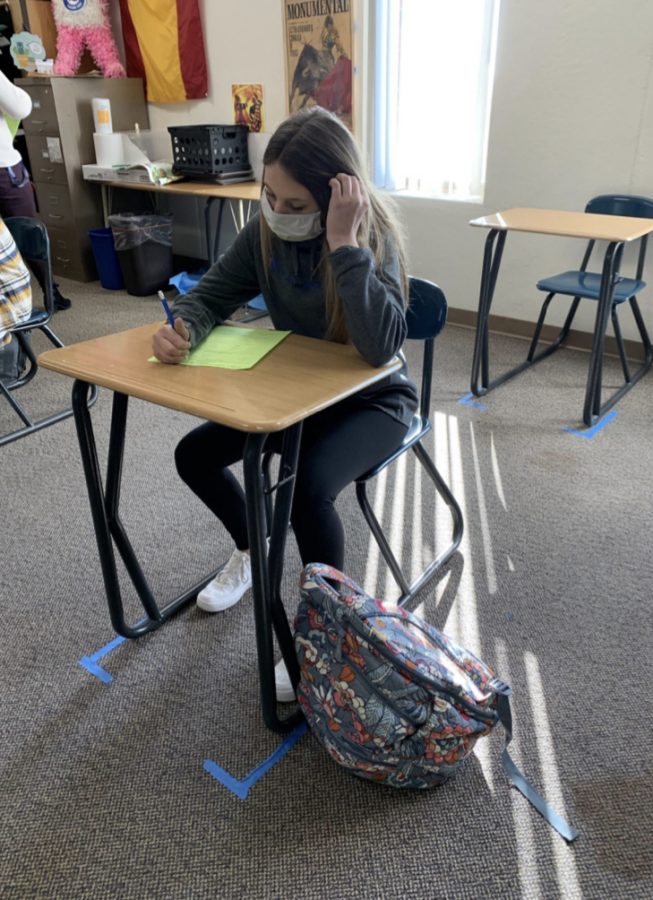
Carrying backpacks reduces the chance of leaving items behind. Students keep all essentials in one place. They are less likely to forget books or homework.
This habit supports better attendance and preparation. Students arrive ready to learn and participate. It also reduces stress and last-minute rushes.
Credit: www.ahlahasa.com
Boosting Student Focus
Allowing backpacks in class helps students stay focused. Students keep all their items close. This reduces stress and helps them pay attention. Having backpacks nearby supports better learning habits. It creates a calm and organized space for students.
Minimizing Distractions
Backpacks reduce the need to leave seats for materials. Students do not search desks or bags on the floor. This stops interruptions during lessons. Less movement means fewer distractions for everyone. Students stay more engaged with class activities.
Quick Retrieval Of Materials
Students find books, notebooks, and tools quickly in backpacks. They spend less time looking for things. This keeps lessons running smoothly without delays. Fast access helps students follow the teacher better. It saves valuable class time for learning.
Supporting Mental Preparedness
Having backpacks nearby helps students feel ready. They know their supplies are within reach. This reduces anxiety about missing items. Students can focus on tasks, not worries. Mental calm supports better concentration and memory.
Enhancing Convenience
Allowing backpacks in class makes daily school life easier for students. Backpacks help carry books, supplies, and personal items with less hassle. They support students by keeping everything close and ready to use. Convenience in the classroom can improve focus and reduce stress.
Students move often between classes. Backpacks make this movement smooth and simple. Comfort and time-saving are key benefits of using backpacks in school.
Portability Between Classes
Backpacks let students carry all needed materials in one place. This reduces the need to carry many bags or items by hand. Students can walk quickly and safely between classes. Portability makes it easier to stay organized and ready for each lesson.
Comfort And Ergonomics
Backpacks spread weight evenly across the shoulders. This reduces strain on arms and hands. Well-designed backpacks protect backs and improve posture. Students can carry heavy items without discomfort. Comfortable carrying helps students focus better during lessons.
Saving Time During Transitions
Backpacks keep books and supplies easily accessible. Students spend less time searching for needed items. Transition time between classes becomes shorter and less stressful. More time is available for learning and preparation. Quick access helps students stay on schedule.
Credit: www.killeenisd.org
Addressing Common Concerns
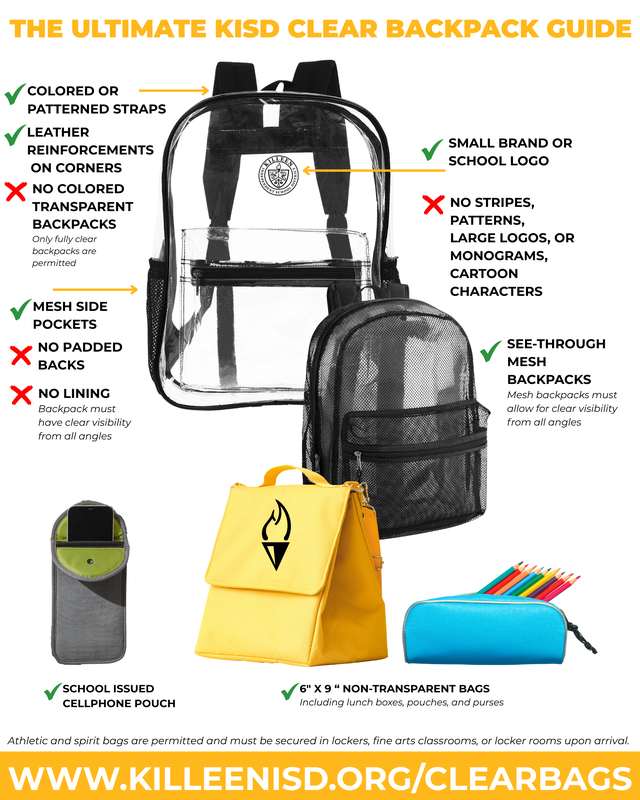
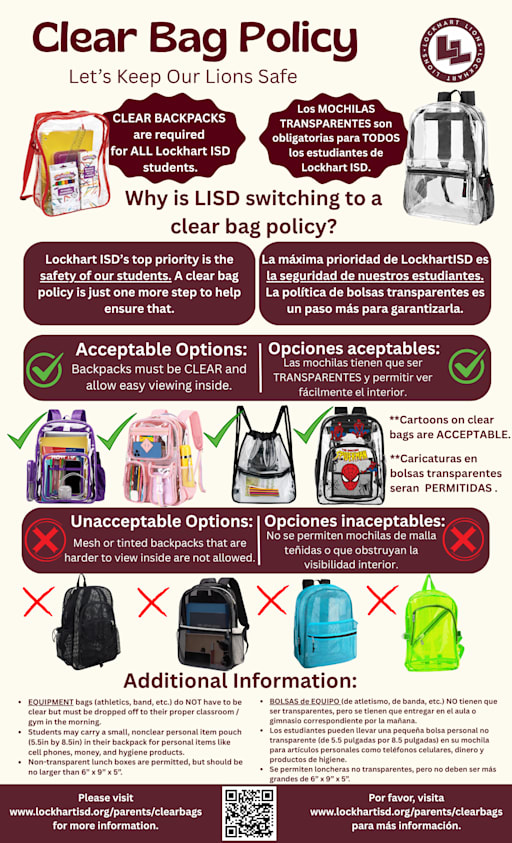
Many schools hesitate to allow backpacks in class because of safety and space concerns. Addressing these worries helps create a better learning environment. Clear rules and smart planning can solve most problems. Schools can keep classrooms safe and organized without banning backpacks.
Safety And Security Measures
Backpacks can seem like a safety risk. But proper checks at school entrances reduce threats. Teachers can ask students to keep backpacks under their desks. This keeps pathways clear and avoids tripping. Metal detectors and bag inspections help keep harmful items out.
Classroom Space Management
Some fear backpacks take up too much room. Schools can assign specific spots for backpacks. Hooks or shelves near desks work well. Students learn to store bags neatly. This keeps aisles free and classrooms tidy. It also helps students find their bags fast.
Preventing Misuse
Concerns about misuse are common. Clear rules about what backpacks can hold help. Staff can check bags regularly with respect. Students understand that bags are for school supplies only. This reduces distractions and keeps focus on lessons. Rules make sure backpacks are used properly.
Successful School Policies
Successful school policies create a positive learning environment. They balance safety, comfort, and practicality. Allowing backpacks in class can be part of such policies. Schools that have done this show good results. These examples help others understand how to manage backpacks well.
Examples From Schools Allowing Backpacks
Some schools let students carry backpacks into classrooms. They report fewer lost items and less stress. Students can keep their supplies close. This reduces the need to run to lockers between classes. Schools notice better organization among students. Teachers see fewer interruptions during lessons.
Feedback From Students And Teachers
Students say backpacks help them stay prepared. They can carry books, snacks, and personal items easily. Teachers appreciate less chaos in hallways. They find students more focused and ready to learn. Both groups feel the classroom becomes more comfortable. This feedback supports keeping backpacks allowed.
Best Practices For Implementation
Set clear rules about backpack size and placement. Encourage students to keep backpacks under their desks or on hooks. Limit heavy items to avoid strain and clutter. Teach students to organize their backpacks daily. Monitor backpacks to maintain safety and order. These steps keep classrooms neat and safe.
Credit: www.lockhartisd.org
Frequently Asked Questions
Why Should Backpacks Be Allowed In Class?
Backpacks provide easy access to learning materials during class. They help students stay organized and reduce forgotten supplies. Allowing backpacks promotes independence and efficiency, enhancing the overall learning experience.
How Do Backpacks Improve Classroom Organization?
Backpacks keep books, notebooks, and stationery neatly stored in one place. This reduces clutter on desks and floors. Students can quickly find needed items, saving time and maintaining a focused learning environment.
Can Backpacks Reduce Student Stress In School?
Yes, backpacks help students carry all essentials comfortably. This prevents rushing to retrieve materials from lockers. Having everything handy lowers anxiety and boosts confidence, contributing to a calmer classroom atmosphere.
Are Backpacks Safer Than Leaving Items Outside Class?
Backpacks keep personal belongings secure and close to students. This minimizes the risk of lost or stolen items. Having backpacks in class ensures important materials and valuables remain protected throughout lessons.
Conclusion
Allowing backpacks in class helps students stay organized and ready. They can carry books, snacks, and supplies easily. This reduces stress and saves time looking for things. Students feel more comfortable and focused on learning. Schools should consider this simple change for better classroom experience.
It supports students’ needs and daily routines. Why not make school life a bit easier?