
Have you ever wondered what drives someone to commit terrible crimes? The case of Ivan Milat, the infamous killer of backpackers, is one that shocks and puzzles many.
You might be asking yourself why he did it and what made him target innocent travelers. You’ll uncover the chilling reasons behind his actions and the dark mind of one of Australia’s most notorious criminals. Keep reading, because understanding this story might change the way you think about safety and trust when you travel.
Ivan Milat’s Early Life
Ivan Milat’s early life holds key clues about his dark path. Understanding his beginnings helps explain why he became a killer. His childhood, family, and early behavior set the stage for his crimes. This section explores these early years closely.
Childhood And Family Background
Ivan Milat was born in 1944 in New South Wales, Australia. He grew up in a large family with seven siblings. His parents had a strict and often harsh way of raising children. The home environment was tense and sometimes violent. This unstable setting affected Ivan deeply as he grew up.
Youth And Formative Years
During his teenage years, Ivan showed signs of trouble. He struggled with school and often got into fights. He left school early and worked odd jobs. His relationships with others were strained and distant. These years shaped his attitude toward the world around him.
Early Signs Of Violence
Ivan Milat displayed violent behavior from a young age. Reports say he tortured animals and bullied peers. Police records from his youth show minor offenses. These acts hinted at the dark future ahead. Early violence often signals deeper problems in killers.

Credit: www.bbc.com
Profile Of A Serial Killer
Understanding the profile of a serial killer helps explain why Ivan Milat targeted backpackers. A killer’s mind reveals patterns in behavior and choices. These patterns include psychological traits, how crimes are committed, and victim selection. Each factor gives insight into Milat’s deadly actions.
Psychological Traits
Ivan Milat showed signs of deep anger and lack of empathy. He was secretive and controlled. He showed no remorse for his crimes. His mind was filled with dark thoughts and desires. These traits made him dangerous and hard to detect.
Modus Operandi
Milat used a consistent method to kill his victims. He lured backpackers into his trap, often pretending to help. He used weapons like rifles and knives. He chose isolated spots to avoid being caught. His careful planning showed his cold and cruel nature.
Victim Selection
Backpackers were his main targets because they traveled alone. They were easy to approach and often trusted strangers. Most victims were young and unaware of danger. Milat picked victims who fit his pattern of control and fear. This made it easier for him to carry out his crimes.
The Backpacker Murders
The Backpacker Murders are a dark chapter in Australia’s history. Between 1989 and 1993, seven young backpackers vanished in New South Wales. Their bodies were later found in remote forest areas. These crimes shocked the nation and drew global attention. Ivan Milat, a man living near the crime scenes, was convicted of these brutal killings. The case remains one of the most infamous in Australian crime history.
Crime Scene Details
The crime scenes were deep in forests, far from towns. Bodies were hidden under leaves and branches. Each victim showed signs of severe violence. Some had been shot, others stabbed or beaten. Personal belongings were scattered nearby. Investigators found backpacks, cameras, and passports. The scenes suggested the victims were attacked suddenly. The remote locations made the investigation difficult. Yet, evidence gathered led to a breakthrough in the case.
Victim Stories
Most victims were young travelers exploring Australia. They came from countries like Germany, the UK, and the Netherlands. Each had dreams and plans for their trip. Their families waited for news that never came. Some victims disappeared while hitchhiking. Others were last seen camping or walking on trails. Their stories touched many people worldwide. Remembering them keeps their memory alive. Their tragic fate warns others about travel dangers.
Timeline Of Events
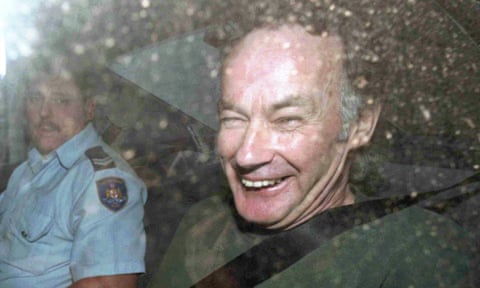
The first known victim disappeared in 1989. Over four years, more backpackers vanished under similar circumstances. Police launched major searches after each disappearance. In 1994, Ivan Milat was arrested. He was linked to the crimes through strong evidence. The trial revealed chilling details of the murders. Milat was found guilty and sentenced to life. The case closed a painful chapter for many. It changed how authorities protect travelers today.
Credit: www.theguardian.com
Motives Behind The Killings
The motives behind Ivan Milat’s killings have puzzled many. Understanding why he targeted backpackers helps us see the darker side of his mind. His reasons seem complex and deep-rooted. Experts believe several factors played a role in his crimes.
Personal Grudges And Anger
Ivan Milat held strong personal grudges against certain people. These grudges grew over time and fueled his anger. He often felt wronged or rejected by others. This anger may have pushed him to commit violent acts. Backpackers became his targets, possibly because he blamed them for some pain.
Psychological Disorders
Milat showed signs of psychological disorders. Some experts suggest he had antisocial personality traits. These disorders affect how a person feels empathy or guilt. They can cause violent behavior without remorse. His mind likely struggled to control dark impulses and violent urges.
Possible External Influences
Certain external factors might have influenced Milat’s behavior. His environment, past experiences, or people around him could have played a role. Stress, trauma, or abuse might have worsened his mental state. These influences combined with his nature to create a dangerous mix.
Investigation And Capture
The investigation into Ivan Milat’s crimes was complex and intense. Police worked hard to find clues and gather proof. The capture of Milat marked a key moment in solving the backpacker murders. The process involved careful police work, witness accounts, and a strong legal case. Each part helped bring the truth to light and stop the killings.
Police Work And Evidence
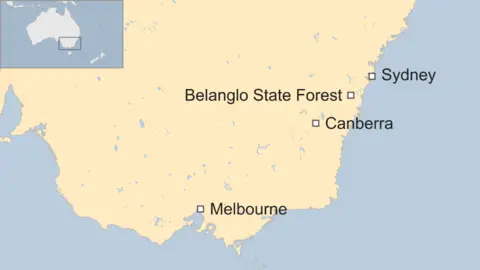
Police searched the Belanglo State Forest where bodies were found. They collected forensic evidence such as clothing, weapons, and personal items. Officers used this evidence to link Milat to the crimes. They also examined his home and vehicle for signs of guilt. The detailed police work built a strong case against him.
Witness Accounts
Witnesses provided important information about Milat’s behavior. Some saw him with backpackers before they disappeared. Others noticed suspicious activities near the forest. These accounts helped police create a profile of the suspect. Witness testimony played a vital role in confirming Milat’s involvement.
Trial And Conviction
The trial of Ivan Milat began in 1996. Prosecutors presented the evidence and witness statements clearly. Milat denied all charges but the proof was strong. The jury found him guilty of multiple murders. He received a life sentence without parole. The conviction brought justice to the victims and their families.
Legacy And Impact
The crimes of Ivan Milat left a dark mark on Australia’s history. His actions changed how people think about safety while traveling. The legacy of his crimes affects backpackers, law enforcement, and the media even today. Understanding this impact helps explain why his case remains important.
Effect On Backpacker Safety
Backpackers became more cautious after Milat’s crimes. Many started to avoid hitchhiking or traveling alone. Hostels and travel groups improved security measures. Signs and warnings were posted at popular spots. Travelers learned to trust their instincts and stay alert. Safety became a top priority for those exploring new places.
Media And Public Reaction
The media covered the case with great attention. News reports raised awareness about the dangers faced by travelers. Public fear and curiosity grew as details emerged. Some media stories helped educate the public on safety tips. Others stirred panic, causing some to avoid certain areas. The case sparked long discussions about crime and security.
Lessons Learned
The Milat case taught many important lessons. Law enforcement improved methods for tracking criminals. Authorities worked more closely across regions to catch offenders. Travelers learned to plan trips with safety in mind. Communities pushed for better protection of visitors. These lessons continue to influence safety practices today.
Credit: www.bbc.com
Frequently Asked Questions
Why Did Ivan Milat Target Backpackers Specifically?
Ivan Milat targeted backpackers because they were vulnerable and often hitchhiked alone. He exploited their trust and lack of local knowledge, making them easy victims. His crimes were driven by a desire for control and power over defenseless travelers in remote areas.
What Motivated Ivan Milat To Kill Backpackers?
Milat’s motivation stemmed from deep psychological issues and a desire for dominance. He exhibited violent tendencies and a need to control victims. His killings were also fueled by a disturbed mind and possibly past traumas, leading to his brutal crimes against backpackers.
How Was Ivan Milat Caught And Convicted?
Ivan Milat was caught through police investigations linking him to missing backpackers. Evidence included witness testimonies, forensic data, and stolen items found in his possession. His conviction came after a thorough legal process, proving his guilt beyond reasonable doubt.
What Impact Did Ivan Milat’s Crimes Have On Australia?
Milat’s crimes caused widespread fear among travelers and led to increased safety measures. Authorities improved law enforcement and public awareness about hitchhiking risks. His case highlighted the need for better protection of tourists and backpackers in Australia.
Conclusion
Ivan Milat’s crimes shocked many people worldwide. He acted with cruelty and planned his attacks carefully. Understanding his motives helps us stay aware and safe. His story reminds us to trust our instincts while traveling. Remember, danger can hide in unexpected places.
Stay alert and respect your surroundings always. Learning from the past keeps us protected today.