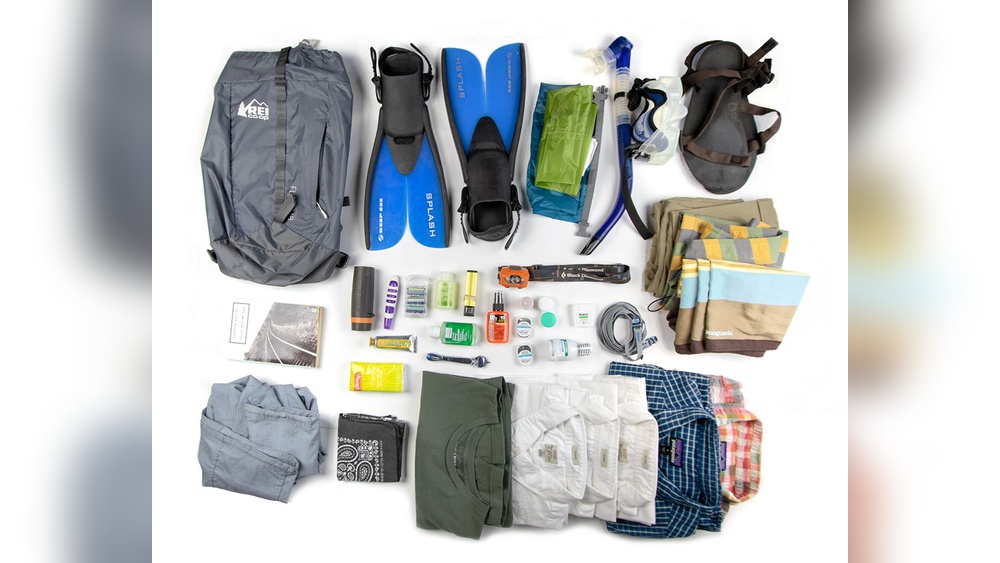
Are you wondering how many pounds you should carry while backpacking? Carrying the right weight can make or break your trip.
Too heavy, and you’ll feel exhausted fast. Too light, and you might miss out on important gear. Finding the perfect balance is key to staying comfortable and enjoying every step of your adventure. You’ll discover the ideal backpack weight, simple tips to lighten your load, and how to pack smart.
Keep reading to make your backpacking experience easier and more fun.
Ideal Backpack Weight
Finding the ideal backpack weight is key for a good trip. Carry too much, and you will tire quickly. Carry too little, and you might miss important gear. The right weight lets you hike longer and enjoy the journey more. It also helps protect your body from strain and injury.
Recommended Weight Limits
Most experts say your backpack should weigh no more than 20-25% of your body weight. For example, if you weigh 150 pounds, carry about 30-37 pounds. This range keeps you strong and comfortable. Beginners might start lighter, around 15-20% of their body weight. This helps build endurance without risking injury.
Factors Affecting Weight
Several things affect how heavy your pack should be. The length of your trip matters. Longer trips need more supplies, so packs are heavier. Your fitness level is important too. Stronger hikers can carry more weight safely. Terrain plays a role. Rough or steep trails require lighter loads for better balance. Weather also impacts weight. Cold weather means adding warm clothes and gear.
Balancing Comfort And Necessity
Choose gear that is both useful and lightweight. Avoid packing items “just in case.” Every extra pound makes a difference. Prioritize essentials like water, food, and shelter. Use lightweight materials to save weight. Make sure your pack fits well. A good fit spreads weight evenly and reduces pain. Comfort and necessity together make a better hiking experience.
Essential Gear Selection
Choosing the right gear is key to keeping your backpack light. Essential gear selection means picking items that serve your needs without adding extra weight. Every pound counts on the trail. Carrying less weight helps you hike further and feel better.
Focus on gear that is both useful and easy to carry. Think about what you really need and leave behind what you can do without. This way, your pack stays manageable and your trip more enjoyable.
Choosing Lightweight Equipment
Start with a lightweight backpack. It can save several pounds right away. Look for gear made from light but strong materials. For example, titanium cookware or aluminum tent poles. Avoid heavy metal or thick plastic. Choose only what fits your trip’s length and weather.
Multipurpose Items To Save Weight
Pick items that do more than one job. A pot that serves as a bowl saves space and weight. A jacket that works as a pillow cuts down what you carry. Multi-use tools reduce the need for extras. This keeps your pack lighter and your load simpler.
Clothing Tips For Light Packing
Wear layers instead of heavy clothes. Thin, warm layers weigh less and dry faster. Choose quick-drying fabrics like wool or synthetic blends. Avoid cotton—it stays wet and heavy. Bring only what you need for the weather. Pack clothes that can be worn multiple times.
Packing Strategies
Packing for backpacking trips needs smart choices. Good packing strategies help carry less weight. Less weight means more comfort and longer hikes. These tips help organize gear and save space. You can carry what you need without extra burden.
Organizing For Efficiency
Group similar items together in your backpack. Keep frequently used things near the top. Use small bags or pouches for easy access. This saves time and stops you from unpacking everything. Organization also helps balance the load better.
Reducing Redundancies
Check your gear for duplicates. Avoid packing items that serve the same purpose. For example, one good knife is enough. Share group gear like cooking tools when possible. This cuts down weight and frees up space.
Using Compression And Storage Bags
Compression bags reduce the volume of bulky items. They work well for sleeping bags and clothes. Storage bags keep gear dry and clean. Using these bags keeps your pack neat and lighter. They make packing simpler and more efficient.
Food And Water Management
Managing food and water is key for backpacking success. Carrying too much weight can tire you quickly. Carrying too little can leave you hungry or dehydrated. Smart choices keep your pack light and your body fueled.
Lightweight Meal Planning
Choose meals that weigh little but give much energy. Dehydrated and freeze-dried foods are good options. They rehydrate with water and taste decent. Pack snacks like nuts, dried fruit, and energy bars. Avoid heavy cans or fresh food that spoils fast.
Hydration Solutions
Water is a must on any trail. Carry a water bottle or hydration bladder. Use a lightweight water filter or purification tablets to refill safely. Know where water sources are along your route. Carry only what you need to avoid extra weight.
Resupply Options On The Trail
Plan your trip with resupply points in mind. Many trails have stores or post offices for mail drops. Buying food along the trail cuts your load. Check locations before you start hiking. This strategy keeps your pack lighter and your food fresh.
Safety And Comfort Considerations
Backpacking requires careful thought about safety and comfort. Carrying the right weight can protect you from injury and make your trip more enjoyable. Balancing essentials with comfort is key. Too heavy a pack can cause fatigue and pain. Too light may leave you unprepared for emergencies. Understanding what to carry helps you stay safe and feel good on the trail.
Essential Emergency Items
Always pack items that keep you safe in emergencies. A first aid kit, flashlight, and whistle are must-haves. Include a map and compass for navigation. Carry extra food and water purification tablets. A fire starter can help in cold or wet conditions. These items add weight but can save your life.
Comfort Items Worth Carrying
Comfort items improve your hiking experience without adding too much weight. A lightweight sleeping pad cushions your rest. Extra socks prevent blisters and keep feet dry. A small pillow or neck support aids sleep quality. Consider carrying a rain jacket to stay dry. These items make long days easier and nights better.
Adjusting Weight For Terrain
Terrain affects how much weight you can carry comfortably. Steep or rocky paths demand a lighter pack. Flat trails allow more flexibility in packing. Adjust your load by removing non-essentials on tough routes. Check your pack weight before starting each day. This helps prevent fatigue and injuries while hiking.
Weight Measurement And Adjustment
Measuring and adjusting the weight of your backpack is key for a good trip. Carrying too much makes hiking hard and tiring. Carrying too little can mean missing important gear. Finding the right balance helps you enjoy your journey.
Weighing Your Backpack
Use a reliable scale to check your pack’s weight. Include all items you plan to carry. This means clothes, food, water, and gear. Weigh the pack often to track changes. Keep the weight under your comfort limit.
Techniques To Cut Extra Pounds
Remove items you do not need. Choose lighter gear when possible. Share heavy items with a hiking partner. Use smaller containers for food and water. Every little bit of weight saved helps.
Testing Pack Weight Before Trips
Wear your packed backpack around the house. Walk up and down stairs to feel the weight. Adjust the load if it feels too heavy. This practice helps prepare your body for the trip. It also prevents surprises on the trail.
Frequently Asked Questions
How Many Pounds Should A Backpack Weigh?
A backpack should weigh no more than 20-25% of your body weight. This ensures comfort and reduces injury risk during long hikes.
What Is The Ideal Weight For Backpacking Gear?
Ideal backpacking gear weight ranges between 10-20 pounds. Lighter gear helps maintain energy and enhances mobility on trails.
How To Reduce Backpack Weight Effectively?
To reduce weight, pack only essentials, choose lightweight gear, and avoid duplicates. Prioritize multi-use items and minimize food and water loads.
Does Backpack Weight Affect Hiking Speed?
Yes, heavier backpacks slow your pace and increase fatigue. Keeping weight manageable improves endurance and overall hiking experience.
Conclusion
Choosing the right backpack weight makes hiking easier and more fun. Carry only what you need for safety and comfort. Too much weight can cause pain and slow you down. Aim to keep your pack light for better balance and energy.
Remember, every pound counts on long trails. Plan carefully and test your pack before the trip. Enjoy your adventure with less strain and more freedom. Backpack smart, travel far, and feel great on every step.