
Have you ever wondered what happens when a viral dance moves from your living room to one of the biggest video games in the world? That’s exactly what happened to Backpack Kid, the internet sensation famous for his unique dance.
But instead of just enjoying the spotlight, he took a bold step—he sued Fortnite. If you’re curious about why Backpack Kid decided to take legal action and what it means for creators like you, keep reading. This story isn’t just about a dance or a game; it’s about rights, recognition, and standing up for what’s yours.
Don’t miss out on the full scoop!
Backpack Kid’s Rise To Fame
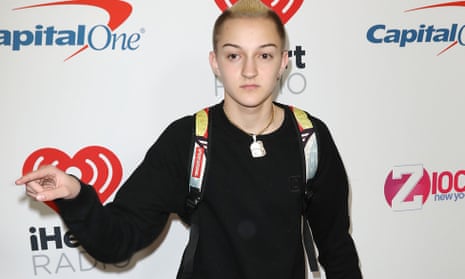
The Backpack Kid rose to fame quickly with a unique dance move. His style captured attention and spread across social media. Many people, including celebrities, copied his dance. This made him popular beyond just social platforms.
His rise shows how a simple idea can reach millions. The dance became a symbol of his identity. It helped him build a strong fan base worldwide.
Origin Of The Dance
The dance started as a fun move among friends. It involved swinging arms in a specific pattern. Backpack Kid made it his signature style. He performed it during live shows and videos. The simple, catchy motion made it easy to copy.
Viral Popularity
Videos of the dance went viral on social media. Celebrities joined in, sharing their own versions. This boosted Backpack Kid’s fame even more. Fortnite later used the dance in their game, increasing its reach. The dance became a cultural moment for young audiences.
Credit: www.theguardian.com
Fortnite’s Use Of The Dance
Fortnite became famous for its fun dance moves called emotes. These dances come from popular culture and add excitement to the game. One dance, known as the “Floss,” gained huge popularity. It came from a young dancer called Backpack Kid. Epic Games added this dance to Fortnite as an emote. This use of real-life dances raised many questions about rights and ownership.
The use of these dances changed how players interact. Emotes became a way to express feelings and celebrate victories. Fortnite used these dances without always asking the original creators first. This caused some dancers to feel their work was taken without permission or payment.
Introduction Of The Emote
The “Floss” dance was first seen on TV by Backpack Kid. Epic Games noticed its popularity and included it in Fortnite. The dance became an instant hit among players. Many players loved copying the move during matches.
Epic Games did not ask Backpack Kid before using the dance. They added the emote as a paid item in the game store. This helped Epic earn money from the dance’s popularity. The move became a symbol of Fortnite’s fun and energy.
Impact On The Game’s Culture
Emotes like the “Floss” changed how players connect in Fortnite. They created new ways to celebrate and show style. The dances made the game more lively and social. Players began to expect fresh, popular moves in the game.
Yet, the use of these dances without consent caused debates. Many wondered if it was fair to use someone’s personal moves. The issue showed how games and real life can clash over creativity and money.
Legal Claims Made By Backpack Kid
Backpack Kid took legal action against Fortnite for using his famous dance move without permission. He claimed the game copied his signature style. His lawsuit focused on his rights as a creator and performer. Below are the main legal claims he made.
Copyright Infringement Allegations
Backpack Kid argued that Fortnite used his dance move without approval. He said the game copied his original choreography. Copyright law protects creative works like dance routines. The lawsuit claimed Fortnite violated these rights by including the move in their game.
The claim emphasized that Backpack Kid’s dance is unique and recognizable. He asserted that the game’s use caused harm to his career and earnings. The legal battle centered on whether a dance move can be protected under copyright.
Rights To The Dance Move
Backpack Kid insisted he owns the rights to his dance. He said no one can use it without his consent. The lawsuit sought to confirm his control over the dance’s use. This includes appearances in video games, commercials, and performances.
The case raised questions about how dance moves are protected by law. Backpack Kid’s team argued the move is a creative expression. They claimed Fortnite should have asked for permission or paid licensing fees.
Credit: www.abc.net.au
Fortnite’s Defense Strategy
Fortnite faced a lawsuit from Backpack Kid over the use of his famous dance. The game’s creators had to explain their side clearly. They focused on two main points to protect themselves in court.
Understanding these points helps to see why Fortnite believed they did nothing wrong.
Fair Use Arguments
Fortnite argued that their use of the dance falls under fair use. They said the dance moves are short and simple, not a full performance. The game only used a few seconds, which they claim is allowed.
They also said their dance animation added new creative elements. This made it different from the original dance by Backpack Kid. Such changes support the fair use defense in copyright law.
Licensing And Permissions
Epic Games, Fortnite’s creator, said they often get permission for dances. They stated they have agreements for many moves used in the game. For Backpack Kid’s dance, they claimed no direct license was needed.
They explained that dance moves are often public and not always owned by one person. This is why they argued no permission was necessary for their version.
Industry Reactions And Similar Cases
The lawsuit by Backpack Kid against Fortnite sparked strong reactions in the entertainment world. Many industry experts watched closely as this case opened new questions about rights and digital use. It highlighted a growing trend where artists defend their creative work from unauthorized use in video games.
This case is not unique. Other artists have also taken legal action against game companies. These lawsuits show a pattern of disputes over dance moves and character likenesses. The industry is learning how to handle these conflicts better.
Other Artists’ Lawsuits Against Games
Several artists have sued game makers over dance moves copied without permission. Rapper 2 Milly sued Epic Games for using his “Milly Rock” dance. Musician Alfonso Ribeiro claimed his “Carlton Dance” was used without approval. These lawsuits focus on protecting personal creative expressions.
Game companies often use popular dances to attract players. Artists argue these moves are part of their identity. Courts now face challenges deciding if dances can be copyrighted. The outcomes affect both the gaming and music industries.
Implications For Creative Content
These legal battles change how creative content is shared and used. Artists want more control over their work in digital spaces. Game developers must now be cautious when adding dance moves or likenesses.
This may lead to new rules and contracts between artists and game companies. It pushes creators to protect their ideas early on. The case sets a precedent for future disputes in the digital age.

Credit: www.youtube.com
Potential Outcomes And Impact
The lawsuit filed by Backpack Kid against Fortnite could change many things in the gaming world. The results might affect not just the game but also how dance moves are used and protected. Both the legal system and gaming culture could see new rules and ideas.
These potential outcomes are important for creators and players alike. The case may set a clear example for future disputes about dance moves in games. It also raises questions about creativity and ownership in digital spaces.
Legal Precedents
This lawsuit could create new legal rules about dance moves. Courts might decide if dances can be owned like other creative works. This is important because many games use popular dances as special moves or “emotes.”
If Backpack Kid wins, other artists might get stronger rights to their moves. Game makers may need permission to use certain dances. This case might also clarify how much a dance must be different to avoid copying.
Effect On Dance Moves In Gaming
Games like Fortnite use dance moves to connect with players. These dances often come from real-life trends or famous performers. The lawsuit could make game companies more careful about using these moves.
Developers might create original dances instead of using popular ones. This could reduce the number of familiar dances in games. It might also encourage more creativity but limit player recognition of dances.
Players may see fewer dances based on real-life moves. This could change how players express themselves in games. The impact on gaming culture and dance creativity could be large.
Frequently Asked Questions
Why Did Backpack Kid Sue Fortnite?
Backpack Kid sued Fortnite for using his signature dance move without permission. He claimed the game profited from his copyrighted dance, seeking compensation for unauthorized use.
What Was Backpack Kid’s Main Legal Claim?
His main claim was copyright infringement. He argued Fortnite copied his “Floss” dance, violating his intellectual property rights without consent.
How Did Fortnite Respond To The Lawsuit?
Fortnite stated their dance was inspired by popular culture and not a direct copy. They denied any copyright violation.
What Impact Did The Lawsuit Have On Fortnite?
The lawsuit brought attention to intellectual property rights in gaming. It raised awareness about licensing dances and respecting creators’ rights.
Conclusion
Backpack Kid sued Fortnite because they used his dance without permission. He wanted credit and payment for his work. This case shows the importance of respecting creators’ rights. Artists and companies should agree before using each other’s ideas. Fans also learn how creators protect their work.
The lawsuit reminds everyone to value creativity and fairness. It’s a clear example of why following rules matters in entertainment.