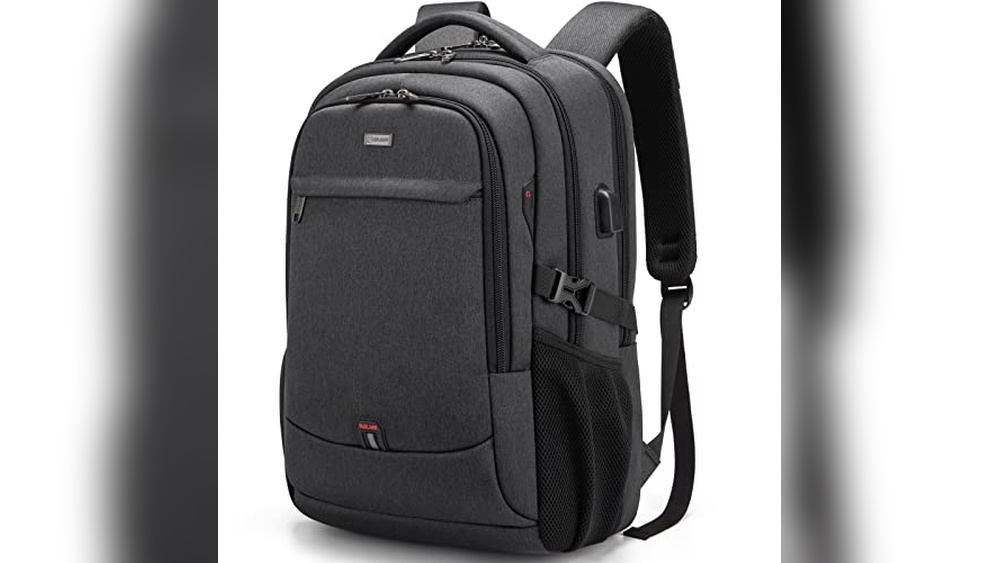
Have you ever picked up a backpack and wondered, “Is this heavy or light for a normal bag?” Knowing how much a regular backpack weighs can save you from unnecessary strain and help you pack smarter. Whether you’re heading to school, work, or a day trip, understanding your backpack’s weight is key to staying comfortable and avoiding aches.
Keep reading, and you’ll discover simple facts and tips that make carrying your backpack feel effortless every day.
Average Weight Of Empty Backpacks
The average weight of an empty backpack varies by type. It depends on the materials and design. Knowing the weight helps choose the right backpack for your needs. Carrying a heavy backpack can tire you quickly. A lighter backpack makes travel and daily use easier. Let’s explore the common weight ranges of empty backpacks.
Lightweight Backpacks
Lightweight backpacks usually weigh between 1 to 2 pounds. They use thin fabrics and minimal padding. These backpacks are great for short trips or light loads. They reduce strain on your shoulders and back. Ideal for people who carry only essentials.
Standard Daypacks
Standard daypacks weigh around 2 to 4 pounds empty. They have more padding and compartments. These backpacks suit everyday use and school. They balance comfort and durability. Perfect for carrying books, laptops, and snacks.
Heavy-duty Backpacks
Heavy-duty backpacks weigh 4 to 7 pounds or more. They use strong materials for long trips or heavy loads. These packs often have extra straps and support. Good for hiking, camping, or carrying gear. They protect your items and last longer.
Factors Affecting Backpack Weight
The weight of a backpack varies for many reasons. These reasons help you understand why some backpacks feel heavier than others. Knowing these factors helps you choose the right backpack for your needs.
Below are the main factors that affect the weight of a normal backpack.
Materials Used
The fabric of the backpack plays a big role in its weight. Backpacks made from nylon or polyester are usually lighter. Leather backpacks tend to be heavier because of the thick material. The type of zippers and buckles also adds to the overall weight.
Size And Capacity
Bigger backpacks weigh more even when empty. They have more material and space inside. A small daypack weighs less than a large hiking backpack. The capacity you need changes the backpack’s base weight.
Additional Features
Extra pockets, padding, and support systems add weight. A backpack with many compartments will weigh more. Padded straps and back panels provide comfort but increase weight. Built-in rain covers or hydration systems also add to the total weight.
Typical Weight With Common Contents
The weight of a normal backpack changes based on what you carry inside. Different uses mean different items and weights. Knowing typical weights helps in choosing the right backpack. It also prevents carrying too much and causing strain.
Below are common contents and their usual weights in backpacks for daily use, hiking, and travel.
School Supplies
A backpack with school supplies usually weighs between 5 to 10 pounds. Books and notebooks are the heaviest items. A laptop adds about 3 to 5 pounds. Pens, pencils, and small gadgets add little weight but add up. A water bottle or lunchbox can add 1 to 3 pounds.
Hiking Gear
Hiking backpacks are heavier. Essential gear like water, food, and clothing add weight. A small day hike pack weighs 10 to 15 pounds. For longer hikes, it can go up to 20 or 25 pounds. Extra items like first aid kits and maps add weight too.
Travel Essentials
Travel backpacks vary in weight. A carry-on with clothes and toiletries usually weighs 15 to 20 pounds. Electronics and chargers add 3 to 5 pounds. Souvenirs and extra items increase the load. Packing smart keeps the backpack comfortable.
Recommended Weight Limits
Knowing the recommended weight limits for backpacks helps protect your back and improves comfort. Carrying too much weight can cause pain and injury. Different activities need different weight limits to keep you safe and comfortable. Let’s explore the ideal weight limits for students, hikers, and travelers.
For Students
Students should carry no more than 10 to 15 percent of their body weight. Heavy backpacks can strain young backs and affect posture. Keeping books and supplies light helps prevent fatigue and pain. Using wheels or lockers can reduce the need to carry heavy loads all day.
For Hikers
Hikers should keep their backpacks between 20 to 25 percent of their body weight. This limit helps maintain balance and energy on long trails. Overpacking slows you down and increases the risk of injury. Packing only essentials and using lightweight gear improves your hiking experience.
For Travelers
Travelers should aim for a backpack weight of 15 to 20 percent of their body weight. This range allows for clothes, gadgets, and essentials without causing strain. Packing smart and choosing versatile items keeps your bag manageable. A lighter backpack makes moving through airports and cities easier.
Tips To Reduce Backpack Weight
Carrying a heavy backpack can cause pain and slow you down. Lightening your load helps you feel better and move faster. Small changes in what you pack and how you pack make a big difference.
Here are some easy tips to reduce the weight of your backpack. Follow these to carry less and enjoy your day more.
Choosing Lightweight Gear
Pick gear made from light materials like nylon or aluminum. Avoid heavy items when lighter versions exist. For example, use a compact water bottle instead of a large one. Choose shoes and clothes designed to be light yet strong. Every small item counts toward the total weight.
Packing Strategically
Place heavy items close to your back for better balance. Spread weight evenly to avoid strain on one side. Use smaller bags inside your backpack to organize gear. Only pack what you need for the day. Leave extras behind to keep the load light.
Regularly Cleaning Out
Check your backpack often for unused items. Remove things you don’t need before each trip. Old papers, empty bottles, or extra clothes add weight without use. Keep your backpack tidy to spot unnecessary items quickly. A clean backpack feels lighter and is easier to carry.
Frequently Asked Questions
What Is The Average Weight Of A Normal Backpack?
A typical normal backpack weighs between 1 to 3 pounds when empty. This depends on materials and size. Lightweight fabrics result in lighter backpacks, while larger sizes increase weight. Understanding this helps in choosing a comfortable pack for daily use or travel.
How Does Backpack Weight Affect Comfort?
Heavier backpacks can strain your shoulders and back quickly. An ideal backpack weight ensures comfort and reduces fatigue. Choosing a lighter pack or distributing weight evenly improves posture. Comfort depends on both the backpack’s weight and how it fits your body.
What Factors Influence A Backpack’s Weight?
Backpack weight depends on size, material, and design features. Larger backpacks with extra pockets weigh more. Materials like nylon are lighter than leather. Additional padding and frame support also increase weight. Knowing these factors helps pick the right backpack for your needs.
How Much Should I Pack In A Normal Backpack?
Keep your packed backpack under 15-20% of your body weight for comfort. Overpacking leads to back pain and fatigue. Organize essentials efficiently to avoid unnecessary weight. Proper packing enhances mobility and prevents injury during use.
Conclusion
A normal backpack usually weighs between 1 to 3 pounds empty. The weight changes based on size and materials. Adding books or gear increases the load quickly. Choosing a lighter backpack helps avoid back pain. Think about what you really need to carry.
Keep your bag light and comfortable every day. This way, your backpack stays easy to carry. Simple choices make a big difference in comfort and health.