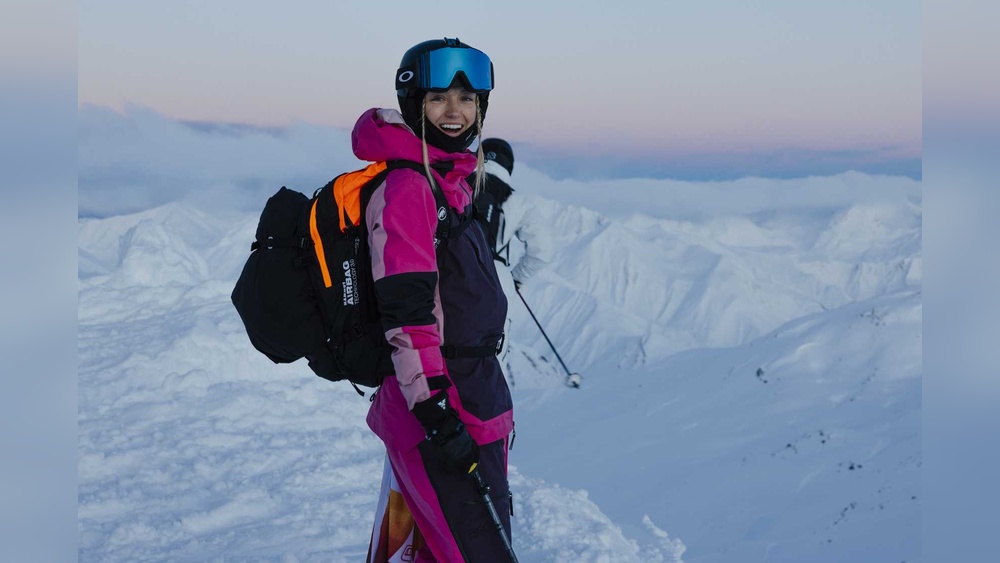
Have you ever wondered why freeriders always carry backpacks while tearing down the slopes? It might seem like just extra baggage, but those backpacks are actually packed with purpose.
Whether you’re new to freeriding or looking to up your game, understanding why riders wear backpacks can make a big difference in your safety and performance. Keep reading, and you’ll discover the surprising benefits that could change the way you ride forever.

Credit: www.arva-equipment.com
Purpose Of Backpacks In Freeriding
Backpacks are essential for freeriders. They hold important items that riders need during their adventure. A good backpack keeps gear safe and easy to reach. It helps riders stay prepared and enjoy their ride more.
Freeriding can be unpredictable. Riders face different weather and terrain. Backpacks help carry tools and supplies to handle these challenges. They make riding safer and more comfortable.
Carrying Safety Equipment
Safety is key in freeriding. Backpacks hold helmets, pads, and first aid kits. They also carry avalanche beacons or airbags in snowy areas. Quick access to safety gear can save lives. Riders trust backpacks to keep this equipment close.
Storing Food And Hydration
Riders need energy and water for long rides. Backpacks store snacks like energy bars and fruits. They also carry water bottles or hydration packs. Staying hydrated and fueled keeps riders strong and focused.
Transporting Repair Tools
Bikes can break or get damaged on trails. Backpacks hold repair kits with tools and spare parts. These include tire pumps, patch kits, and multi-tools. Quick repairs help riders avoid long waits and finish their ride.
Credit: www.ergonbike.com
Types Of Backpacks Used By Freeriders
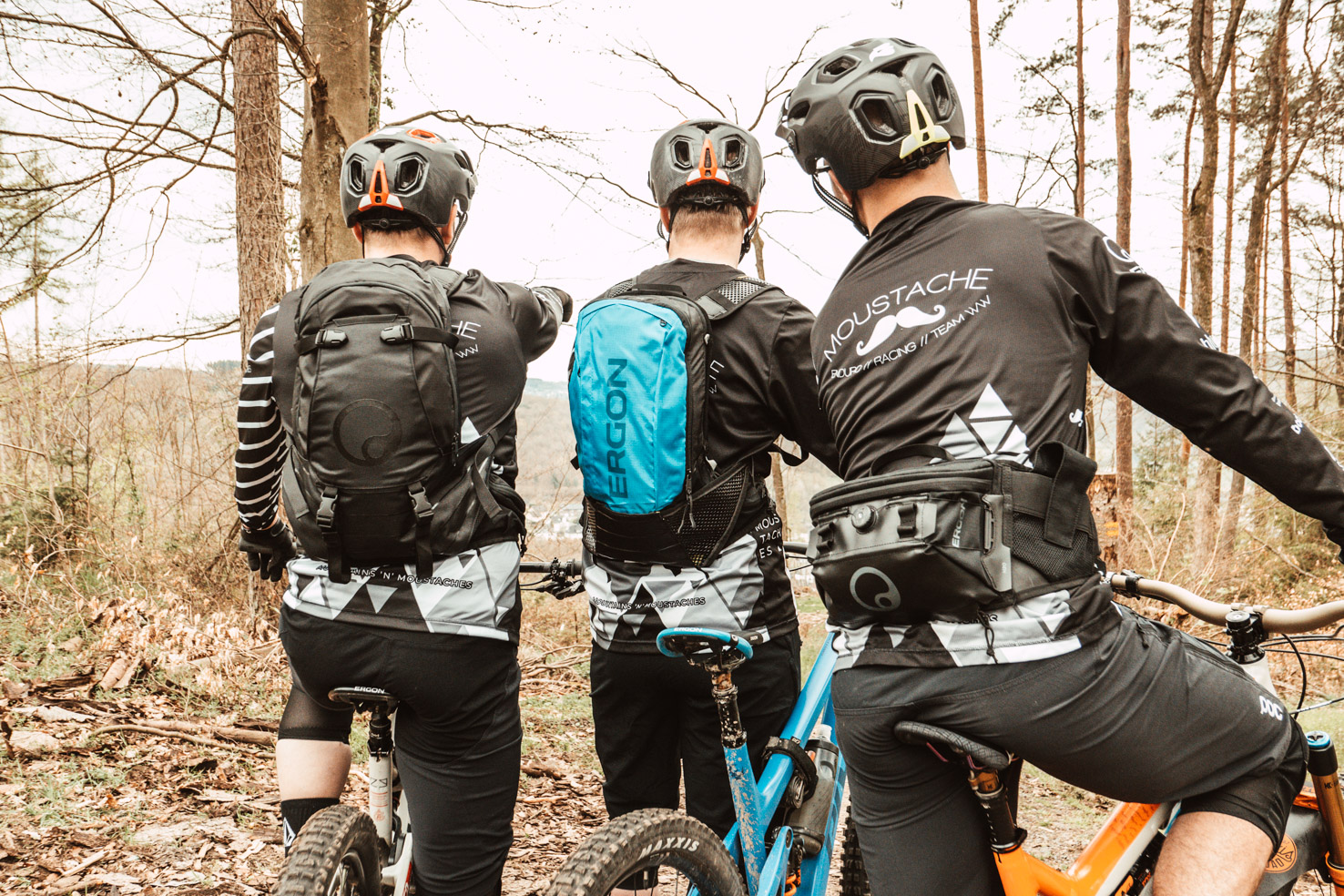
Freeriders choose backpacks that match their needs on the mountain. These backpacks carry essentials and keep riders safe. Different types serve different purposes. Each backpack fits a specific kind of freeriding experience. Understanding these types helps riders pick the right one.
Hydration Packs
Hydration packs hold water for easy drinking while riding. They have a built-in water reservoir and a drinking tube. This lets riders stay hydrated without stopping. These packs are lightweight and fit snugly. Perfect for long rides where water access is limited.
Avalanche Airbag Backpacks
Avalanche airbag backpacks increase safety in avalanche zones. They have airbags that inflate to keep riders on top of the snow. This helps prevent burial in an avalanche. These packs also carry rescue gear like shovels and probes. Essential for freeriders venturing into risky backcountry areas.
Compact Tool Packs
Compact tool packs carry small repair tools and first aid items. They are small and do not add bulk. These packs help riders fix gear problems on the go. They often include multi-tools, tire repair kits, and bandages. Great for short rides where carrying light is key.
Essential Gear Inside Freeriding Backpacks
Freeriders carry backpacks packed with essential gear for safety and survival. These backpacks hold tools and supplies needed for unexpected situations. Each item plays a key role during a freeride adventure.
Knowing what is inside these backpacks helps understand why they are so important. The right gear can save lives and guide riders back to safety.
Avalanche Safety Tools
Avalanche safety tools are a must in freeriding backpacks. They include a beacon, probe, and shovel. The beacon helps locate a buried rider quickly. The probe detects the exact spot under the snow. The shovel digs through snow to rescue someone trapped. These tools work together to improve rescue chances.
First Aid Kits
First aid kits provide basic medical supplies. They contain bandages, antiseptics, and pain relievers. Injuries happen in remote areas. Immediate care can prevent worsening problems. A first aid kit helps treat cuts, scrapes, or sprains. It keeps riders prepared for minor emergencies.
Navigation Devices
Navigation devices guide freeriders through unknown terrain. GPS units and maps are common tools. They help riders find trails and safe paths. These devices reduce the risk of getting lost. Good navigation is key to a safe freeride trip.
Credit: kidsrideshotgun.com
Benefits Of Wearing Backpacks While Freeriding
Wearing a backpack while freeriding offers many benefits. It helps riders carry important gear safely and stay prepared for different situations. Backpacks improve the overall experience by adding safety, convenience, and independence.
Enhanced Safety
Backpacks provide extra protection for the rider’s back during falls. They often include padding or special materials to absorb impact. Carrying safety gear like first aid kits or avalanche tools is easier. Riders can respond quickly to emergencies with essential items close at hand.
Improved Convenience
Backpacks keep hands free for better balance and control. They allow riders to carry water, snacks, and extra clothing without stopping. Riders avoid bulky pockets or loose items that may fall out. Easy access to gear means less hassle and more focus on the ride.
Increased Self-reliance
Having all necessary equipment in a backpack helps riders stay self-sufficient. They can handle unexpected weather changes or minor injuries. Carrying repair tools means fixing gear problems on the spot. This independence boosts confidence and enjoyment during freeriding.
Choosing The Right Backpack For Freeriding
Choosing the right backpack for freeriding is important. It affects your safety and comfort on the mountain. A good backpack holds your gear and fits your body well. It also protects your stuff from the weather. Let’s explore key factors to help you pick the best one.
Size And Capacity Considerations
Pick a backpack with enough space for your essentials. Carry items like water, snacks, tools, and safety gear. Avoid backpacks that are too big or too small. Too large means extra weight and bulk. Too small means you might leave important gear behind. Choose a size that fits your typical ride length and needs.
Comfort And Fit
Comfort is key for long rides. Look for backpacks with padded straps and back panels. Adjustable straps help secure the backpack to your body. This reduces movement and pressure points. A good fit helps you move freely and stay balanced. Try the backpack on with weight before buying it.
Durability And Weather Resistance
Freeriding exposes your backpack to rough conditions. Choose materials that resist tears and abrasions. Water-resistant or waterproof fabrics keep your gear dry. Strong zippers and closures prevent damage and loss. A durable backpack lasts longer and protects your valuables better.
Frequently Asked Questions
Why Do Freeriders Carry Backpacks While Skiing?
Freeriders carry backpacks to store safety gear like avalanche beacons, probes, and shovels. These tools are essential for rescue in emergencies. Backpacks also hold extra clothing, food, and water for long rides in remote areas, ensuring safety and preparedness.
What Essential Items Do Freerider Backpacks Contain?
Freerider backpacks typically contain avalanche safety gear, first aid kits, hydration systems, and repair tools. They also carry extra layers and snacks. These items help freeriders stay safe, comfortable, and self-sufficient during unpredictable mountain conditions.
How Do Backpacks Improve Freeriding Safety?
Backpacks improve freeriding safety by enabling quick access to survival gear. Carrying avalanche equipment can save lives during emergencies. Backpacks also help distribute weight evenly, maintaining balance and control on challenging terrain.
Are Specific Backpacks Designed For Freeriders?
Yes, freerider backpacks are designed with features like reinforced straps, hydration compatibility, and gear attachment points. They are lightweight and durable, providing comfort and functionality tailored to the demands of freeride skiing and snowboarding.
Conclusion
Freeriders wear backpacks for safety and convenience. These packs carry essential gear like avalanche tools and water. They also store snacks and extra layers for changing weather. Backpacks help riders stay prepared in remote areas. Comfort and easy access matter on steep slopes.
Choosing the right backpack improves the overall experience. It keeps gear secure and hands free. Wearing a backpack is smart for any freerider. Safety and readiness make freeriding more enjoyable and less risky.