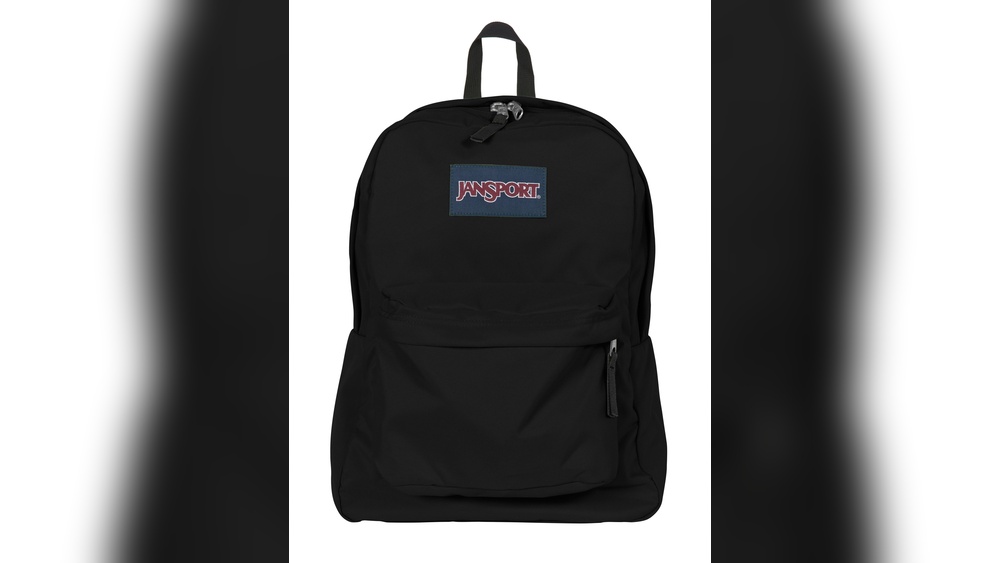
Have you ever wanted to make your own backpack but didn’t know where to start? Imagine having a bag that fits your style perfectly and carries everything you need comfortably.
You might think it’s too hard or takes too much time, but with the right steps, you can create a backpack that’s just right for you. In this guide, you’ll discover simple tips and easy tricks to make a backpack from scratch.
Keep reading, and you’ll soon have the skills to build a bag that’s both useful and uniquely yours.
Choosing Materials
Choosing the right materials is the first step to make a strong and useful backpack. The materials affect how the backpack looks, feels, and lasts. Picking good fabric and hardware helps the backpack hold up to daily use. Also, using the right tools makes the sewing process easier and more precise.
Fabric Types
Pick fabric that is tough and water-resistant. Nylon and polyester are popular choices. They resist tears and dry quickly. Canvas is another option. It is thick and durable. For a lighter backpack, try ripstop fabric. It has a special weave to stop rips.
Hardware Essentials
Use strong zippers that slide smoothly. Plastic or metal buckles secure straps well. D-rings help attach extra items. Adjusters keep straps tight and comfortable. Make sure all hardware matches the fabric’s strength.
Tools Needed
Gather sharp scissors for clean cuts. Use a sewing machine for strong seams. Needles and thread should fit the fabric type. Pins hold pieces in place while sewing. A measuring tape helps keep sizes exact.
Designing Your Backpack
Designing your backpack is the first step to making a useful and unique bag. A good design helps you create a backpack that fits your needs perfectly. It guides you through choosing the right size, shape, and features. Careful planning saves time and materials later.
Start by imagining what your backpack will look like. Think about how you will use it and what items you want to carry. This will help you decide on the best design.
Sketching Your Idea
Put your thoughts on paper. Draw a simple sketch of your backpack from different angles. Focus on the overall shape and key details. Don’t worry about making it perfect. The goal is to see your idea clearly. Sketching helps you spot problems early. You can change your design easily before cutting fabric.
Selecting Size And Shape
Choose a size that fits your needs. Think about the items you want to carry every day. A small backpack is lighter but holds less. A bigger one can carry more but feels heavy. The shape matters too. Rectangular shapes give more space. Rounded shapes look stylish and fit comfortably. Balance size and comfort for the best result.
Planning Compartments
Decide how many pockets or sections you need. Compartments keep things organized and easy to find. Add a main pocket for large items like books or clothes. Include smaller pockets for keys, phone, or pens. Think about adding special sections for a laptop or water bottle. Well-planned compartments make your backpack more useful every day.
Cutting And Preparing Fabric
Cutting and preparing fabric is the first step in making a backpack. This stage sets the foundation for the entire project. Accuracy here saves time and avoids mistakes later. It is important to handle your fabric carefully and follow the pattern closely. Preparing the fabric correctly ensures that your backpack will have the right shape and strength.
Measuring And Marking
Start by measuring your fabric pieces with a ruler or tape measure. Mark the dimensions clearly using tailor’s chalk or a fabric marker. Double-check all measurements to avoid errors. Mark lines for cutting and sewing allowances. Precise marking helps you cut cleanly and sew accurately.
Cutting Techniques
Use sharp fabric scissors or a rotary cutter for straight cuts. Cut slowly along the marked lines to keep edges neat. Avoid lifting the fabric too much; keep it flat on the cutting surface. Cut each piece separately to keep shapes exact. Smooth edges make sewing easier and improve the backpack’s look.
Reinforcing Edges
After cutting, reinforce the edges to prevent fraying. Use pinking shears or apply a zigzag stitch along the edges. You can also use fabric glue or fusible tape for extra strength. Reinforced edges last longer and keep your backpack strong. This step is key for durable and clean seams.
Sewing The Backpack
Sewing the backpack brings all parts together. This step shapes your project into a useful bag. Careful stitching makes the backpack strong and lasting. Follow these steps to sew each part with care.
Assembling The Main Body
Start by joining the front and back panels. Use a strong stitch for durability. Sew the side panels next, attaching them firmly. Make sure edges match to keep shape. Reinforce the bottom with double stitching.
Attaching Pockets And Straps
Sew pockets on the front or sides where needed. Attach straps to the top and bottom securely. Use thick thread for straps to hold weight. Check straps for even length and tightness. Pockets should lie flat and be easy to reach.
Adding Zippers And Closures
Place zippers carefully along the openings. Sew slowly to keep the zipper straight. Add closures like buttons or snaps for extra security. Test zippers and closures for smooth use. Make sure nothing snags or pulls during opening.
Finishing Touches
Finishing touches bring your backpack to life. They ensure durability, comfort, and style. This final step makes your backpack ready for use. Small details make a big difference in quality and appearance.
Inspecting Seams
Check every seam carefully. Look for loose threads or weak spots. Sew any areas that seem fragile. Strong seams keep your backpack sturdy. This step prevents tears and extends backpack life.
Adding Padding
Insert padding where needed. Focus on shoulder straps and back panel. Padding gives extra comfort during wear. Choose soft, durable foam for best results. Proper padding reduces strain and improves usability.
Customizing With Accessories
Add pockets, clips, or extra loops. These help organize your items better. Use zippers or buttons for secure closures. Accessories give your backpack personality. Customize to fit your daily needs and style.
Care And Maintenance
Taking good care of your backpack helps it last longer and stay useful. Regular care keeps the fabric strong and the zippers working well. Small steps can prevent big damage over time.
Clean backpacks look fresh and feel comfortable to carry. Proper storage stops the material from wearing out. Fixing small tears early saves money and effort later. These tips help your backpack stay in top shape.
Cleaning Tips
Use a soft brush or cloth to remove dirt. Spot clean stains with mild soap and water. Avoid harsh chemicals that can damage fabric. Air dry the backpack away from direct sunlight. Do not machine wash unless the label says it is safe.
Storage Advice
Store your backpack in a cool, dry place. Keep it empty and unzip all compartments. Avoid folding or crushing the bag to keep its shape. Use a breathable bag cover if storing for a long time. Check it regularly for dust or moisture.
Repairing Small Damages
Fix small tears with fabric glue or patches. Sew loose threads or broken seams with a needle and thread. Replace broken zippers or buckles promptly. Use strong thread that matches the backpack fabric. Early repairs stop damage from getting worse.
Frequently Asked Questions
How Do I Start Making A Backpack?
Begin by choosing durable fabric and creating a simple pattern. Cut fabric pieces carefully and sew them together step-by-step. Start with the main body, then add straps and pockets for functionality.
What Materials Are Needed To Make A Backpack?
You’ll need strong fabric, thread, zipper, buckles, and padding. Durable nylon or canvas works best for long-lasting backpacks. Also, gather sewing tools like needles, scissors, and a sewing machine.
How Long Does It Take To Make A Backpack?
Making a basic backpack typically takes 4 to 6 hours. Time depends on your sewing skills and design complexity. Beginners may require more time for careful stitching and assembly.
Can I Customize My Backpack Design?
Yes, you can add pockets, colors, and sizes to suit your needs. Customizing makes your backpack unique and functional. Experiment with fabric types and accessories for a personalized look.
Conclusion
Making a backpack can be a fun and useful project. Start with simple materials and clear steps. Take your time to sew each part carefully. Choose colors and pockets that fit your needs. Practice helps you improve your skills over time.
A handmade backpack can be unique and special. Try different designs to find what works best. Enjoy the process and the result. You can carry your things with pride. Making your own backpack is a great way to be creative and practical.