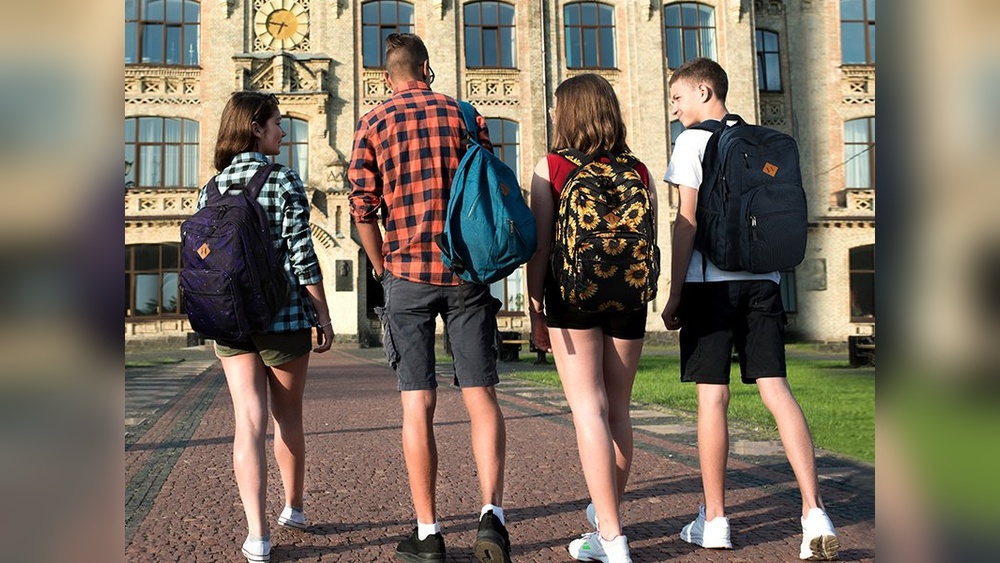
Have you ever stopped to think about why the backpack was invented? It’s more than just a simple bag you sling over your shoulders.
The backpack is designed to make your life easier, whether you’re heading to school, going on a hike, or traveling far from home. Understanding its origin can change the way you see this everyday item. Keep reading, and you’ll discover surprising reasons behind the backpack’s creation—and how it was built to meet your needs in ways you might never have imagined.
Origins Of The Backpack
The backpack is a common item today. It helps us carry things easily. But it did not appear suddenly. It has a long history. Its design grew from old ideas and needs.
People needed a way to carry goods on their backs. This need led to early forms of backpacks. These early carriers were simple but useful. They changed with time and culture.
Early Carriers And Bags
Long ago, people used animal skins and woven materials. They made bags to hold food and tools. These bags were tied with ropes or straps. They helped keep hands free during travel.
Hunters and gatherers used these carriers. They moved through forests and mountains. The bags held small items and kept them safe. Over time, designs improved for comfort.
Cultural Influences
Different cultures shaped backpack styles. Native Americans used woven designs with leather straps. In Asia, cloth bags tied with cords were common. Each culture added unique features for their needs.
Warriors, travelers, and workers all used backpacks. They adapted the bags for carrying weapons, food, or tools. These cultural changes helped backpacks become more practical.

Credit: www.arva-equipment.com
The Need For Hands-free Carrying
Carrying items by hand can be hard and slow. People needed a way to carry things without using their hands. This need gave rise to the idea of carrying bags on the back. Hands-free carrying made movement easier and faster. It allowed people to do more tasks at once. This practical solution helped many, from travelers to soldiers.
Challenges Faced By Travelers
Travelers often carried heavy loads on their heads or shoulders. This method was tiring and limited their movement. Walking long distances became painful and slow. Carrying bags by hand left no free hand for other tasks. Travelers needed a better way to carry their gear. A bag on the back solved these problems. It made travel easier and more comfortable.
Military Demands
Soldiers had to carry weapons, food, and supplies. Their hands needed to stay free for fighting and other actions. Carrying everything by hand was unsafe and difficult. A hands-free solution was critical for their missions. Backpacks helped soldiers move faster and stay ready. This need pushed the design and use of backpacks. The military shaped the early development of backpacks.
Key Inventors And Innovations
The backpack has evolved thanks to key inventors and important innovations. Early designs focused on carrying heavy loads more comfortably. Over time, new ideas and materials improved strength and ease of use. These changes helped shape the backpack as we know it today.
First Modern Designs
In the early 20th century, designers began creating backpacks with frames. These frames helped spread weight evenly across the body. One important figure was Lloyd F. Nelson, who patented a framed backpack in 1911. His design made carrying heavy items easier for hikers and soldiers. Later, military backpacks inspired many outdoor and school bags. These early models set the stage for modern backpack features.
Material And Structural Advances
New materials changed backpacks in the mid-1900s. Canvas was common but heavy and absorbed water. Nylon and polyester replaced it, making bags lighter and stronger. Padded straps and back panels improved comfort. Zippers and compartments added convenience. Frame designs also evolved, using aluminum for lighter weight. These advances allowed backpacks to carry more weight with less strain. The combination of new materials and smart structure made backpacks practical for many uses.
Backpack In Exploration And Adventure
The backpack became essential for exploration and adventure. It allowed travelers to carry their gear with ease. This simple tool changed how people explored nature and remote places. Backpacks made long journeys possible without heavy loads in hands.
Adventurers and explorers needed a way to bring supplies. Food, water, and tools had to be carried on the back. The backpack offered a hands-free way to move freely and safely. This helped many explorers reach new heights and remote areas.
Mountaineering Impact
Mountaineers rely on backpacks for climbing mountains. They carry ropes, food, and emergency supplies. The design spreads weight evenly, reducing strain on the body. This allows climbers to move faster and climb higher. Backpacks also hold special gear like ice axes and crampons. Without backpacks, long climbs would be much harder and less safe.
Outdoor Recreation Growth
Backpacks helped grow outdoor activities like hiking and camping. People could carry tents, cooking tools, and clothes easily. This convenience made outdoor recreation more popular worldwide. Families and friends now explore nature without heavy burdens. Backpacks support longer trips and more comfortable adventures. They keep hands free for balance and using tools.
Backpack’s Role In Education And Daily Life
The backpack plays a big role in education and daily life. It helps people carry their things easily and keeps their hands free. Over time, backpacks have changed to fit different needs. They are not just for hiking or travel. Many people use backpacks every day for school, work, and city life. This makes them an important part of daily routines.
Students And School Use
Backpacks help students carry books, notebooks, and supplies. They make it easier to move between classes without dropping items. Backpacks also protect school materials from rain and damage. Students can organize their things in different compartments. This saves time and reduces stress. Many schools prefer backpacks because they support good posture. Students can carry heavy loads more comfortably. Backpacks also allow students to bring laptops and tablets safely.
Urban And Commuter Adaptations
City workers and commuters use backpacks to carry work essentials. These backpacks often have special pockets for laptops and chargers. They are designed to be lightweight and stylish. Many have water-resistant materials to protect items during rain. Reflective strips improve safety when walking or biking at night. Urban backpacks also offer easy access to items like phones and wallets. This helps commuters stay organized and ready for the day. They keep hands free for public transport or carrying other items.
Technological Evolution Of Backpacks
The backpack has changed a lot since its first use. It started as a simple bag to carry things. Over time, new designs and materials made backpacks better. These changes help people carry loads more easily and comfortably.
Technology plays a big role in improving backpacks. Today’s backpacks do more than hold items. They protect gadgets, reduce strain, and even connect to devices. This evolution makes backpacks smarter and more useful for daily life.
Ergonomic Improvements
Modern backpacks focus on comfort and health. Designers use padding and special straps. These parts spread weight evenly across shoulders and back. This reduces pain and tiredness during long use. Some backpacks have adjustable parts to fit different body types. Ventilation systems help keep the back cool and dry. These changes make carrying heavy loads easier and safer.
Smart Backpacks And Future Trends
Smart backpacks now include technology inside. Some have built-in chargers for phones and laptops. Others use GPS to help find the bag if lost. Sensors can track weight and remind users to adjust straps. Future backpacks might have solar panels to power devices. They may also include anti-theft features with alarms or locks. These trends show backpacks becoming more than just bags.
Cultural Symbolism And Fashion
Backpacks have moved beyond their basic use for carrying items. They have become symbols in many cultures. People use backpacks to show their style and personality. They play a role in fashion and identity. The backpack’s design and brand can say a lot about a person. It is not just about utility but also about making a statement.
The backpack reflects trends and social changes. Different groups adopt backpacks as a sign of belonging. This shows how deeply backpacks are woven into cultural and fashion stories. They represent more than just a bag; they tell stories about who we are.
Backpacks In Pop Culture
Movies, music, and TV shows often feature backpacks. Characters use backpacks to show their lifestyle or role. School kids, adventurers, and students all have distinct backpack styles. This helps audiences connect with characters quickly. Backpacks can symbolize youth, freedom, or adventure in these stories. The choice of backpack often adds depth to the character’s image.
Style And Personal Expression
People choose backpacks to express their style. Colors, shapes, and brands all matter. Some prefer simple designs, others bold and bright. This choice reflects personality and mood. Backpacks can be a daily fashion accessory. They help people stand out or blend in. Wearing a backpack is a way to show who you are without words.

Credit: www.emporium-italy.com
Credit: www.theatlantic.com
Frequently Asked Questions
Why Was The Backpack Originally Invented?
The backpack was invented to help people carry heavy loads comfortably. It allowed hands-free transport, making travel easier and more efficient. Early designs focused on practicality for hunters, soldiers, and hikers needing to carry supplies over long distances.
How Did Backpacks Evolve Over Time?
Backpacks evolved from simple sacks to ergonomic designs. Innovations included padded straps, multiple compartments, and waterproof materials. These changes improved comfort, organization, and durability, adapting backpacks for outdoor activities, school use, and daily commuting.
What Problems Does A Backpack Solve?
Backpacks distribute weight evenly across the shoulders and back. This reduces strain compared to carrying bags by hand. They free up hands for other tasks and provide organized storage, making travel and daily activities more convenient.
Who Primarily Benefits From Using Backpacks?
Backpacks benefit students, hikers, travelers, and professionals. They offer a practical way to carry books, gear, or work items safely and comfortably. Their versatility suits various lifestyles and purposes, improving mobility and convenience.
Conclusion
The backpack was created to carry items easily and free the hands. It helped people move with comfort and keep belongings safe. Over time, it became useful for school, travel, and work. Today, backpacks still serve the same purpose: convenience and support.
This simple tool shows how small ideas can make life better. Carrying things should not be hard. That’s why the backpack remains popular worldwide. It meets basic needs with smart design. A helpful invention that stands the test of time.