Does your backpack leave your back aching after just a short time? You’re not alone, and it’s not something you have to accept.
That nagging pain can sneak up on you, making simple daily tasks uncomfortable and even painful. But why does your backpack hurt your back? Understanding the real reasons behind this discomfort can help you fix the problem—and feel better fast.
Keep reading to discover the common mistakes you might be making and easy changes that can protect your back every time you carry your bag.
Common Causes Of Backpack Pain
Backpack pain is common and can affect anyone. Understanding the causes helps prevent discomfort. Many factors can lead to back pain from backpacks. Here are the most common reasons behind your pain.
Improper Fit And Size
A backpack that is too big or too small can cause pain. If it does not fit your body well, it pulls on your back. The weight may not spread evenly. This leads to strain and soreness in your muscles.
Heavy Loads
Carrying too much weight is a major cause of pain. Backpacks overloaded with books or items put pressure on your back. Your muscles work harder to support the load. This results in tiredness and aches.
Poor Posture
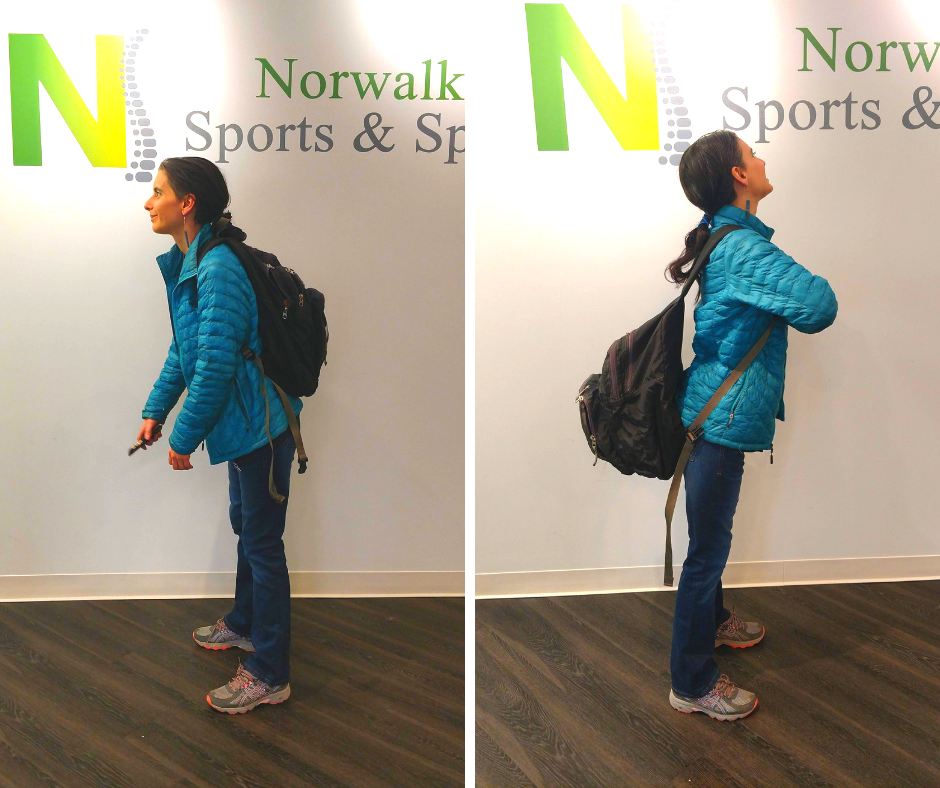
Slouching or leaning forward while carrying a backpack harms your back. Bad posture increases stress on your spine and muscles. Standing straight helps reduce pain and keeps your body balanced.
Strap Placement Issues
Straps that dig into your shoulders or hang too low cause discomfort. Incorrect strap adjustment shifts the backpack’s weight unevenly. This creates pressure points and muscle tension in your back and shoulders.
Worn Out Padding
Old or thin padding loses its ability to cushion your back. Without proper padding, the backpack’s hard parts press directly against your muscles. This leads to soreness and irritation during use.
Credit: www.reddit.com
Effects Of Backpack Pain On Your Body
Backpack pain affects more than just your shoulders. It impacts your entire body in different ways. Understanding these effects helps you take better care of your back and overall health.
Carrying a heavy or poorly fitted backpack can cause serious problems. These issues can start small but grow worse over time. Knowing the risks can encourage safer habits and prevent lasting damage.
Muscle Strain
Muscle strain happens when backpack weight pulls on your muscles. Your shoulders and back work harder to hold the bag up. This extra effort causes soreness and stiffness. Over time, muscles may become weak or tight.
Spinal Alignment Problems
A heavy backpack can change the natural curve of your spine. This puts pressure on the vertebrae and discs. Poor alignment leads to pain and discomfort. It also affects your posture, making you slouch or lean forward.
Nerve Compression
Nerve compression occurs when backpack straps press on nerves. This can cause tingling, numbness, or sharp pain in your arms or back. Nerves trapped under tight straps may lead to weakness or loss of feeling.
Long-term Damage Risks
Ignoring backpack pain can cause long-term damage. Chronic muscle strain and spinal issues may lead to permanent problems. Conditions like herniated discs or nerve damage can develop. These affect your daily life and need medical attention.
Choosing The Right Backpack
Choosing the right backpack plays a big role in keeping your back pain-free. Many people carry backpacks daily without thinking about comfort. The right choice can reduce strain and prevent injury. This section helps you understand what to look for in a backpack.
Backpack Types And Designs
Different backpacks suit different needs. Some are made for school, others for hiking or work. Look for a design that fits your daily activities. Backpacks with multiple compartments help organize your items. Slim, simple designs are better for light loads. For heavy loads, padded and structured backpacks provide more support.
Size And Weight Considerations
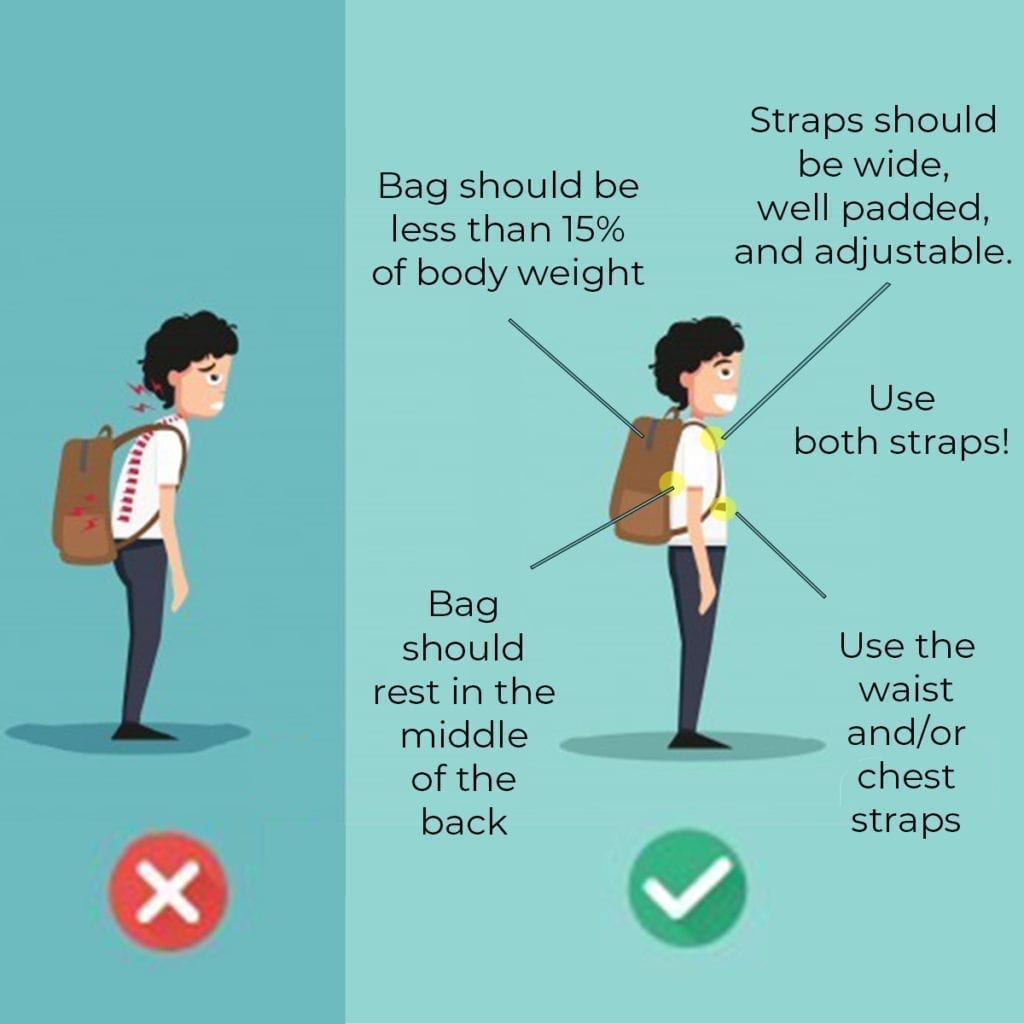
Pick a backpack size that matches your body. Too big or too small can cause discomfort. The backpack should not be wider than your shoulders. Keep the weight of the backpack under 10% of your body weight. Heavy backpacks strain your back muscles and spine. Pack only what you need to avoid extra weight.
Support Features To Look For
Good backpacks have padded shoulder straps. Wide straps spread the weight evenly. A padded back panel adds comfort and reduces pressure. Look for adjustable straps to fit your body shape. Chest and waist straps help keep the backpack close to your body. These features reduce strain and improve posture.
Adjusting Your Backpack For Comfort
Adjusting your backpack correctly can make a big difference in comfort. A poorly adjusted backpack causes strain and back pain. Proper fitting helps reduce pressure on your shoulders and back. It keeps your posture straight and makes carrying easier. Follow these simple tips to adjust your backpack for better comfort.
Proper Strap Adjustment
Start by tightening the shoulder straps. They should fit snugly but not dig into your skin. The backpack should sit close to your back. Adjust the straps so the bottom rests at your lower back. Avoid letting the bag hang too low or ride too high. Proper strap length balances the weight and reduces strain.
Using Chest And Waist Straps
Chest straps help keep the shoulder straps in place. Fasten the chest strap across your chest for added support. Waist straps transfer some weight to your hips. Buckle the waist strap snugly around your hips, not your waist. These straps help stabilize the load and prevent the backpack from shifting while you move.
Distributing Weight Evenly
Place heavy items close to your back. Lighter items should go near the outside. Pack your bag so the weight spreads evenly. Avoid putting all heavy items on one side. Uneven weight causes muscle strain and pain. Even distribution keeps your balance and eases pressure on your back.
Packing Tips To Reduce Back Pain
Packing your backpack the right way helps reduce back pain. It balances weight and eases pressure on your muscles. Small changes in packing make a big difference.
Use smart packing habits to keep your back comfortable. Organize your items and limit heavy loads. Use compartments to spread weight evenly. These tips protect your back during daily use.
Organizing Contents Smartly
Place heavy items close to your back. This keeps the center of gravity near your body. Avoid putting all heavy things at the bottom or outside.
Distribute weight evenly on both sides. Use packing cubes or bags to group similar items. This prevents shifting and keeps your backpack stable.
Limiting Load Weight
Carry only what you truly need. Extra weight strains your back and shoulders. Check your backpack before leaving and remove unnecessary items.
Aim to keep your backpack under 15% of your body weight. Light loads make walking easier and reduce fatigue.
Using Compartments Effectively
Use all compartments to spread weight across the pack. Separate heavy and light items in different sections. This helps keep the pack balanced and less stressful on your back.
Organize items so you can access them without unpacking everything. This saves effort and avoids awkward movements that hurt your back.
Exercises To Strengthen Your Back
Back pain from carrying a backpack often means weak muscles. Strengthening your back helps reduce this pain. Exercises improve muscle support and posture. This support makes carrying a backpack easier and less painful. Try simple routines to build back strength over time.
Stretching Routines
Stretching loosens tight muscles and improves flexibility. Start with gentle back stretches like cat-cow or child’s pose. These moves release tension in your spine and shoulders. Stretch both before and after carrying your backpack. This keeps muscles relaxed and reduces stiffness.
Core Strengthening Moves
Your core supports your entire back. Strong abs and lower back muscles help carry weight evenly. Try planks, bridges, and bird-dogs to build core strength. These exercises improve balance and reduce strain on your spine. Aim for short, regular sessions to see progress.
Posture Improvement Exercises
Good posture prevents back pain caused by backpacks. Practice wall angels and shoulder blade squeezes daily. These exercises open the chest and strengthen upper back muscles. They teach your body to stand tall and reduce slouching. A strong posture protects your spine during heavy loads.
When To Seek Medical Advice
Back pain from carrying a backpack can be more than just uncomfortable. It may signal a deeper problem. Knowing when to seek medical advice helps protect your health. Early action can prevent serious issues and speed recovery.
Signs Of Serious Injury
Watch for sudden sharp pain in your back. Numbness or tingling in your legs or arms needs attention. Weakness or loss of movement in limbs is a warning. Difficulty controlling bladder or bowels means urgent care is necessary.
Persistent Pain Symptoms
Pain lasting more than two weeks requires a doctor’s check. Pain that gets worse over time is a concern. Constant discomfort that stops daily activities needs evaluation. Pain that wakes you up at night should not be ignored.
Professional Treatment Options
Doctors may suggest physical therapy to strengthen muscles. Pain relief medication can ease discomfort and inflammation. Special exercises improve posture and reduce strain. In rare cases, imaging tests or surgery might be needed.
Credit: www.norwalksportsandspine.com
Credit: help.sc.ug
Frequently Asked Questions
Why Does My Backpack Cause Back Pain?
Backpacks can cause back pain if they are too heavy or worn incorrectly. Uneven weight distribution strains muscles and spine. Using padded straps and adjusting the backpack properly can reduce discomfort. Choosing a lighter load also helps prevent pain.
How Can I Prevent Backpack-related Back Pain?
To prevent back pain, wear both shoulder straps evenly. Adjust straps so the backpack sits close to your back. Avoid carrying heavy loads. Use backpacks with padded straps and lumbar support for extra comfort.
What Backpack Weight Is Safe For My Back?
A safe backpack weight is about 10-15% of your body weight. Carrying more than this can strain your muscles and spine. Regularly lighten your load to reduce back pain and avoid long-term damage.
Can Poor Posture Worsen Backpack Back Pain?
Yes, poor posture increases strain from backpacks. Slouching or leaning forward puts extra pressure on your back. Standing straight and using ergonomic backpacks help maintain proper spinal alignment and reduce pain.
Conclusion
A backpack can hurt your back for many reasons. Carrying too much weight strains muscles and joints. Poor strap adjustment causes uneven pressure and pain. Choosing a backpack with little padding adds discomfort. Taking breaks and stretching helps reduce pain.
Try to pack only what you need each day. Wearing the backpack correctly protects your spine. Small changes make a big difference in comfort. Listen to your body and act early. Your back will thank you in the long run.