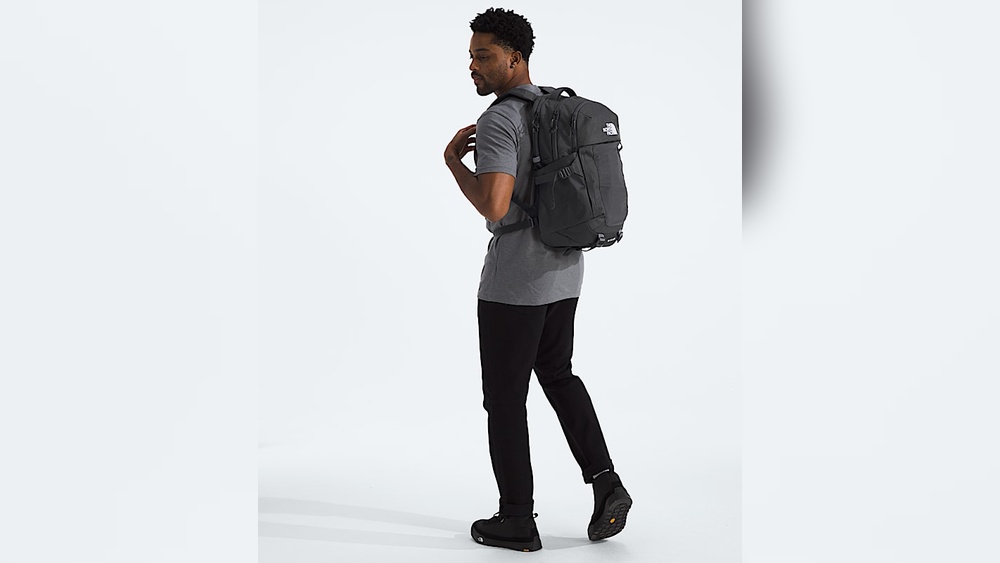
Have you ever picked up your North Face backpack and wondered, “Why is this so heavy?” You’re not alone. Many people feel surprised by just how much weight their backpack carries, even when they think they’ve packed light.
Understanding what’s making your bag feel so heavy can help you carry it more comfortably and avoid unnecessary strain. You’ll discover the common reasons behind that extra weight and simple tips to lighten your load. Keep reading—your back will thank you.
Credit: www.thenorthface.com
Materials Adding To Backpack Weight
The weight of your North Face backpack comes mainly from the materials used. These materials make the backpack strong and long-lasting. They protect your belongings and handle rough use. But they also add weight. Understanding these materials can help explain why your backpack feels heavy.
Durable Fabrics And Their Impact
North Face uses strong fabrics like nylon and polyester. These fabrics resist tears and wear. They keep the backpack in good shape for years. The thick fabric layers add to the backpack’s weight. The heavier fabric means better protection but more weight on your back.
Heavy-duty Zippers And Buckles
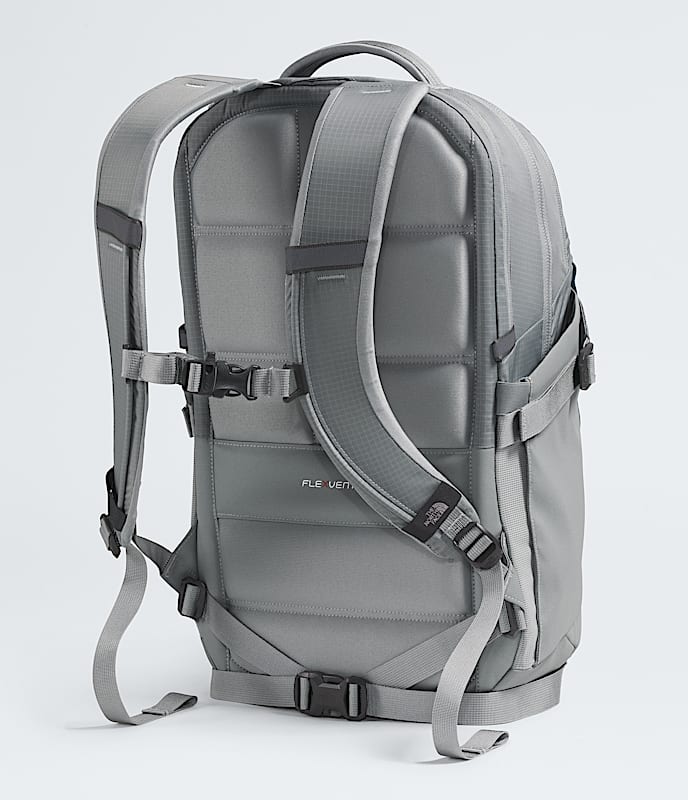
The backpack has strong zippers and buckles. These parts hold the bag closed and secure your items. Metal or thick plastic zippers are heavier than simple ones. The buckles are made to last and hold tight. These tough parts add extra pounds to the backpack.
Internal Frame And Padding
Some North Face backpacks have an internal frame. This frame supports your back and helps carry weight evenly. It is usually made of metal or hard plastic. The padding inside the straps and back also adds weight. It makes the backpack comfortable but adds extra grams.
Design Features Influencing Weight
The weight of your North Face backpack often comes from its design features. These features add convenience and durability but also increase the overall weight. Understanding these parts helps explain why the backpack feels heavy.
Multiple Compartments And Pockets
North Face backpacks have many compartments and pockets. These sections help organize items and keep gear separate. Each pocket adds fabric and zippers, which add extra weight. More compartments mean more material and hardware inside the bag.
Built-in Hydration Systems
Many models include built-in hydration systems or sleeves. These parts hold water bladders and tubes for drinking on the go. The system adds plastic, valves, and extra fabric layers. All these pieces increase the backpack’s weight.
Extra Straps And Attachments
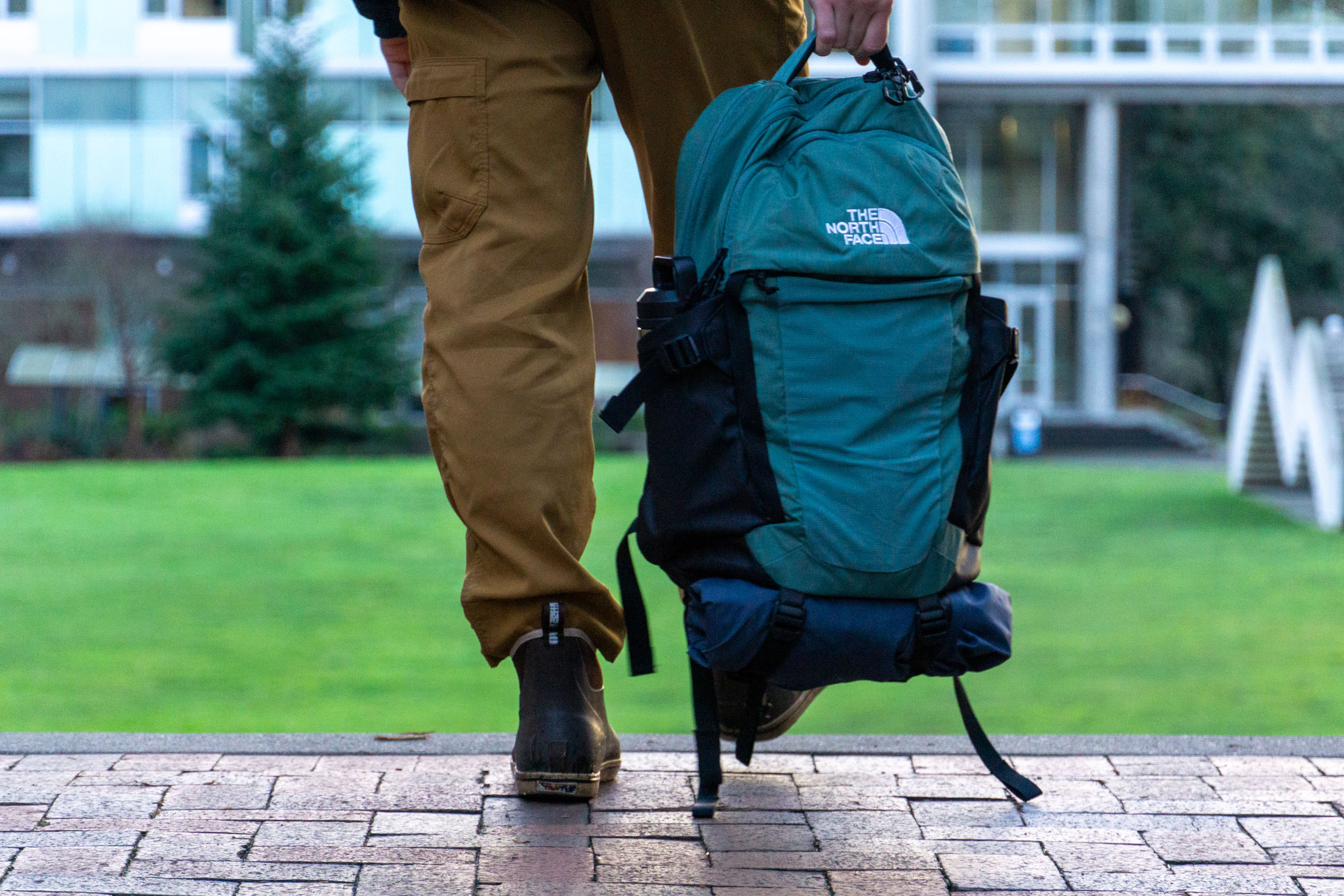
Extra straps and attachments secure gear outside the backpack. They hold items like sleeping bags, trekking poles, or helmets. Straps require strong buckles and thick webbing. This hardware adds bulk and weight to the backpack.
User Packing Habits
Packing habits play a big role in the weight of your North Face backpack. How you pack and what you carry affects the overall heaviness. Sometimes, users pack more than they need. Other times, they carry items that add weight but serve little purpose. Organizing your pack can also change how heavy it feels on your back.
Overpacking Essentials
Many people pack too many essentials. They bring extra clothes, gadgets, or food “just in case.” This adds unnecessary weight. Carrying only what you truly need helps keep the backpack light. Think about the trip length and weather before packing.
Carrying Unnecessary Items
Users often add items that are not needed. Old receipts, extra water bottles, or bulky books can pile up. These small things increase weight without much benefit. Regularly check your backpack and remove items you don’t use.
Organizing For Weight Distribution
How you arrange your items affects comfort and weight feel. Heavy items should go near your back and center. Lighter items belong at the top or outer pockets. Proper distribution reduces strain and makes the pack feel lighter.
Credit: gearjunkie.com
Comparing Lightweight Alternatives
North Face backpacks are known for their strength and quality. These bags often feel heavy, especially if you carry them all day. Comparing lightweight backpacks helps you find bags that are easier to carry. Lighter options use different materials and designs. Understanding these differences can help you choose the best backpack for your needs.
Materials Used In Lighter Backpacks
Lighter backpacks often use nylon or polyester fabrics. These materials weigh less than heavy-duty canvas or leather. Some use ripstop nylon, which is thin but strong. Lightweight backpacks may also have fewer metal parts. Plastic buckles and zippers reduce the overall weight. These materials keep the bag light but still durable enough for daily use.
Trade-offs Between Durability And Weight
Lightweight backpacks trade some durability for less weight. Heavy materials last longer and resist tears better. Lighter fabrics can wear out faster with rough use. Some lightweight bags offer water resistance but not full waterproofing. Choosing a bag depends on how you will use it. For hiking, strong materials might be better. For school or work, a lighter bag may suit you.
Choosing The Right Backpack For Your Needs
Think about what you carry every day. If you carry heavy items, a strong, heavier bag works well. For light loads, a lighter backpack reduces strain on your shoulders. Consider how long you wear the bag each day. A lighter backpack feels better on long trips or walks. Balance weight with durability and comfort. Pick a backpack that matches your daily activities.
Maintenance And Weight Changes
Your North Face backpack’s weight can change over time due to maintenance issues. Dirt, moisture, and lack of cleaning add extra weight. Understanding these factors helps keep your backpack light and functional.
Accumulation Of Dirt And Debris
Dirt and small debris collect in pockets and seams. This buildup adds hidden weight you might not notice. Outdoors and daily use increase this accumulation quickly. Regularly checking and removing dirt keeps the backpack lighter.
Water Absorption Effects
Backpacks absorb water from rain or spills. Wet fabric becomes much heavier than dry fabric. Moisture trapped inside padding or pockets adds extra pounds. Drying your backpack after exposure to water reduces unnecessary weight.
Regular Cleaning Tips
Cleaning your backpack removes dirt and moisture that add weight. Use mild soap and lukewarm water for best results. Avoid harsh detergents that damage fabric and add stiffness. Let the backpack air dry completely before storing or using it again.
Credit: www.asos.com
Frequently Asked Questions
Why Does My North Face Backpack Feel So Heavy?
Your North Face backpack feels heavy due to packed contents, dense materials, or added gear. Check for unnecessary items or heavy tools increasing the weight. The design and padding can also add bulk, making it feel heavier than expected during use.
Are North Face Backpacks Naturally Heavy?
North Face backpacks are built with durable, high-quality materials that add some weight. Their robust construction ensures long-lasting use and protection for your gear. While they aren’t extremely heavy, the reinforced features and padding contribute to their overall weight.
Can Packing Habits Make My Backpack Heavier?
Yes, overpacking or carrying bulky items makes your backpack heavier. Organize essentials carefully and remove unnecessary items to reduce weight. Using lightweight gear and packing smartly can significantly lighten your load and improve comfort during travel or hiking.
Does Water Absorption Add Weight To My Backpack?
Yes, water absorption from rain or spills can add weight to your backpack. Materials like nylon may retain moisture, increasing the load. Using waterproof covers or drying your backpack regularly helps prevent extra weight caused by trapped water.
Conclusion
A heavy North Face backpack can slow you down and tire you out. Weight comes from packed items, sturdy materials, and extra features. You can reduce weight by carrying only what you need. Check your bag before trips to avoid overpacking.
Choose lighter gear to make your backpack easier to carry. Remember, a lighter load means more comfort on your journey. Keep your backpack balanced and organized for better support. Small changes can make a big difference in how heavy your bag feels.
