
When you’re packing for a backpacking trip, every ounce counts. You might think a pillow is just extra weight, something you can easily skip.
But what if bringing a pillow could change how well you sleep, how much energy you have, and how much you enjoy your entire adventure? Imagine waking up refreshed, ready to tackle tough trails and stunning views. Keep reading to discover why a simple pillow might be your secret weapon on the trail—and why it’s worth carrying, even when space and weight feel tight.

Credit: www.amazon.com
Benefits Of A Backpacking Pillow
Carrying a pillow on a backpacking trip offers many benefits. It makes camping nights more comfortable. A small pillow can improve rest and help hikers feel better each day. Backpacking pillows are lightweight and easy to pack. They do not take much space but add great value to your trip.
Improved Sleep Quality
A good pillow helps your head rest well. It keeps your head in a natural position. Better head support means deeper, more restful sleep. Sleep affects your energy and mood for hiking. A pillow helps you wake up fresh and ready to explore.
Neck And Spine Support
Backpacking pillows protect your neck and spine. They reduce strain on muscles and joints. Proper support lowers pain and stiffness in the morning. This support prevents injuries during long hikes. Your body stays aligned and relaxed all night long.
Reduced Fatigue On Trails
Less tiredness means more fun on trails. Good rest with a pillow helps your muscles recover. Reduced fatigue improves focus and balance while hiking. You feel stronger and more alert during your adventure. A pillow can make long days easier to handle.
Credit: www.ultimategearlists.com
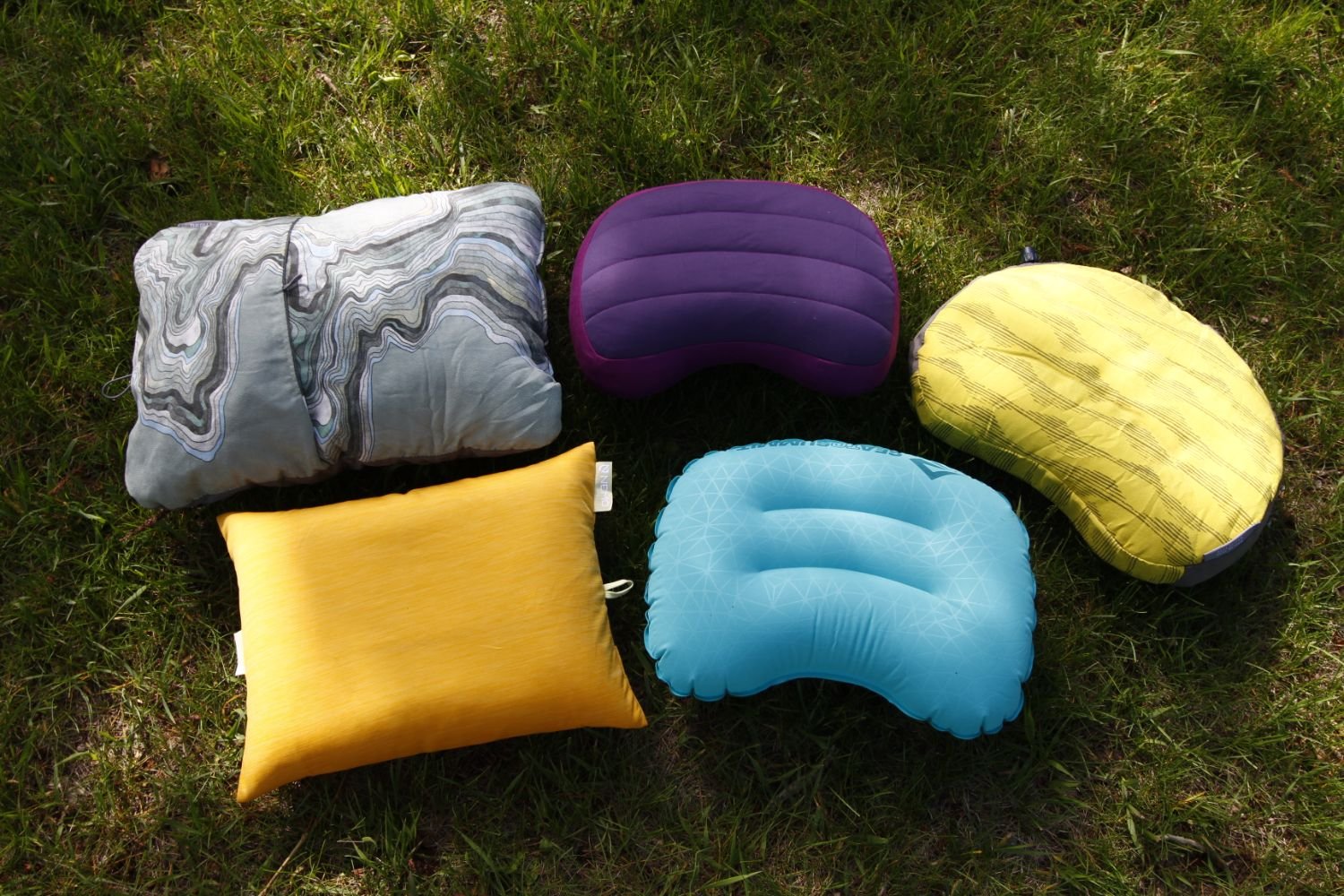
Types Of Backpacking Pillows
Choosing the right pillow for backpacking can improve your sleep and comfort. Different types of pillows suit different needs. Some focus on lightness, others on support or pack size. Understanding these options helps you pick the best pillow for your trip.
Inflatable Pillows
Inflatable pillows are very light and easy to pack. You blow them up when you need them and deflate them to save space. They offer good support and adjust firmness by how much air you add. These pillows dry quickly and are good for wet conditions.
Foam Pillows
Foam pillows provide firm support and do not need inflation. They keep their shape well and are durable. Foam pillows are heavier and bulkier than inflatable ones. They are good if you want a pillow that feels like home.
Compressible Pillows
Compressible pillows use soft materials that squish down small. They are lighter than foam but heavier than inflatable pillows. These pillows offer a balance between comfort and packability. They regain shape after you unpack them.
Choosing The Right Pillow For You
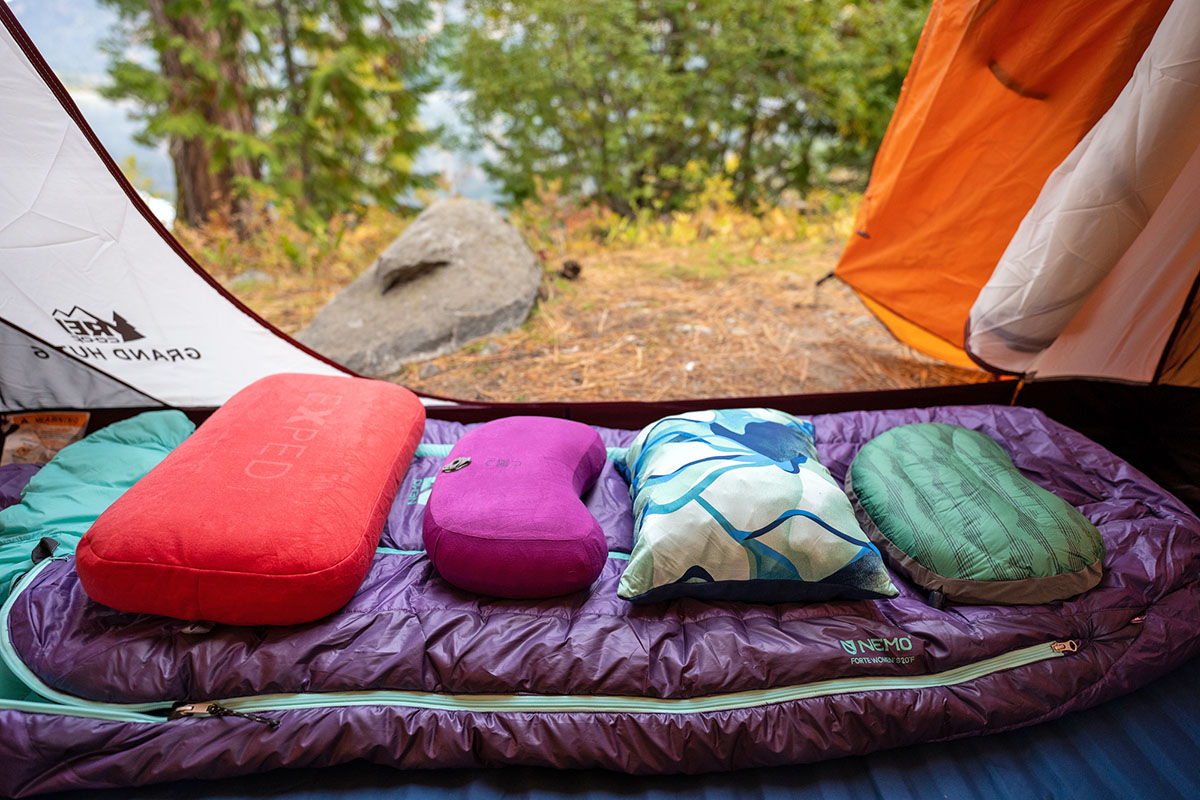
Choosing the right pillow for backpacking is very important. A good pillow can make your nights more comfortable. It helps your neck and head rest well after a long day of hiking. Not every pillow fits every backpacker. Think about your needs before picking one. Consider weight, size, material, and comfort. These factors help you find the best pillow for your trip.
Weight And Packability
Backpackers must keep their gear light. Heavy pillows add unnecessary weight. Look for pillows that are light and easy to carry. Some pillows can be compressed into small bags. These save space in your backpack. A pillow that packs small is easy to bring along. It does not take much room with your other gear.
Material And Durability
The pillow material affects comfort and how long it lasts. Choose pillows made from strong fabrics. These stand up to rough outdoor use. Materials should dry quickly if they get wet. Some pillows have covers that are easy to clean. Good material means your pillow stays fresh on long trips.
Comfort Preferences
Comfort is different for everyone. Some like firm pillows; others want soft ones. Some prefer inflatable pillows for adjustable support. Others like foam pillows that keep shape well. Think about how you sleep. Side sleepers may need thicker pillows. Back sleepers might want thinner ones. Pick a pillow that feels good for you.
Credit: www.switchbacktravel.com
Packing Tips For Backpacking Pillows
Packing a pillow for backpacking can improve your comfort on the trail. It makes resting easier after long hikes. Knowing how to pack your pillow correctly saves space and protects it. Here are some useful tips to keep your pillow safe and compact.
Maximizing Space
Choose a pillow that compresses well. Inflatable or compressible foam pillows work best. Pack your pillow inside your sleeping bag stuff sack. Use any empty space around your gear for the pillow. This way, you save room for other essentials.
Protecting Your Pillow
Keep your pillow clean by using a pillowcase or bag. Avoid placing it on rough or dirty surfaces. Store it away from sharp objects to prevent tears. A dry bag can protect against moisture during rain. Clean pillows last longer and feel better.
Multi-use Pillow Ideas
Use your pillow as extra padding for fragile items. It can also support your back while sitting. Some pillows double as seat cushions or knee pads. A pillow can even help keep your head warm. Pack smart by choosing a pillow with many uses.
Additional Comfort Gear For Backpacking
Backpacking can be tough on your body. Carrying a heavy pack and hiking long trails needs energy. Comfort gear helps you rest better and feel fresh each day. A pillow is great, but other items add even more comfort. These extras make your nights warmer and your sleep deeper.
Sleeping Pads
Sleeping pads protect you from the cold, hard ground. They add a soft layer under your sleeping bag. This helps your body stay warm and relaxed. Pads come in many types, like foam or inflatable. Choose one that fits your weight and space needs. A good pad improves sleep quality and reduces aches.
Compact Blankets
Compact blankets are lightweight and easy to carry. They give extra warmth in cold weather or chilly nights. Use them inside your sleeping bag for more insulation. Blankets can also serve as a cover when resting outside. Pick blankets made from warm, quick-drying materials for best use.
Supportive Sleepwear
Wear comfortable and warm sleepwear to help your body rest. Soft fabrics keep your skin cozy and dry. Avoid heavy clothes that trap sweat and cause discomfort. Layering thin clothes works well for changing temperatures. Good sleepwear supports deep sleep and quick recovery.
Frequently Asked Questions
Why Is A Pillow Important For Backpacking Trips?
A pillow provides essential neck and head support during sleep. It improves comfort, helps prevent stiffness, and promotes better rest on uneven surfaces.
Can A Backpacking Pillow Improve Sleep Quality Outdoors?
Yes, a backpacking pillow enhances sleep quality by cushioning your head. It reduces discomfort from hard or uneven ground, allowing deeper, more restful sleep.
What Types Of Pillows Are Best For Backpacking?
Lightweight, compact, inflatable, or compressible pillows are best. They save space and weight while offering good support and comfort during backpacking.
How Do I Pack A Pillow Efficiently For Backpacking?
Choose a compressible or inflatable pillow to save space. Attach it outside your backpack or pack it inside for easy access and minimal bulk.
Conclusion
Bringing a pillow on your backpacking trip helps you rest well each night. Good sleep keeps your energy high for long hikes. A pillow also supports your neck and head comfortably. It makes camping feel more like home. Small and lightweight pillows fit easily in your bag.
Don’t forget this simple item for better outdoor sleep. Comfort matters when you explore nature. A pillow turns rough nights into peaceful ones. Try it and notice the difference on your next trip.