
Carrying your sleeping pad the right way can make a big difference on your backpacking trip. If you’ve ever struggled with a bulky pad that won’t fit or keeps slipping off, you know how frustrating it can be.
But don’t worry—learning how to carry your sleeping pad properly will save you space, keep your gear secure, and make your hike much more comfortable. You’ll discover simple, effective tips to pack your sleeping pad so it stays put and doesn’t weigh you down.
Ready to make your next adventure easier and more enjoyable? Let’s dive in!
Choosing The Right Sleeping Pad
Choosing the right sleeping pad is important for a good night’s sleep outdoors. The right pad keeps you comfortable and warm. It also fits well on your backpack without adding too much weight. Knowing the types, size, weight, and insulation helps you pick the best pad for your trip.
Types Of Sleeping Pads
There are three main types of sleeping pads: air pads, foam pads, and self-inflating pads. Air pads are light and compact but need careful handling. Foam pads are durable and cheap but bulkier. Self-inflating pads combine foam and air for comfort and insulation. Choose a type that suits your trip length and terrain.
Size And Weight Considerations
Size matters for comfort and backpack space. A wider pad offers more comfort but takes more room. Weight affects how far you can hike easily. Ultralight pads save weight but may cost more. Balance comfort with how much you can carry. Check your backpack’s capacity before buying a pad.
Insulation And Comfort Levels
Insulation keeps you warm in cold weather. Look for the R-value; higher means better warmth. Comfort depends on thickness and firmness. Thicker pads cushion more but weigh more. Choose a pad that keeps you warm and comfortable for your trip’s weather conditions.
Credit: www.reddit.com
Packing Techniques For Backpacking
Packing a sleeping pad correctly is key for a comfortable backpacking trip. It saves space and keeps your gear organized. Different techniques help carry your pad efficiently. These methods also protect the pad from damage. Consider your backpack size and trip length when choosing a technique.
External Attachment Methods
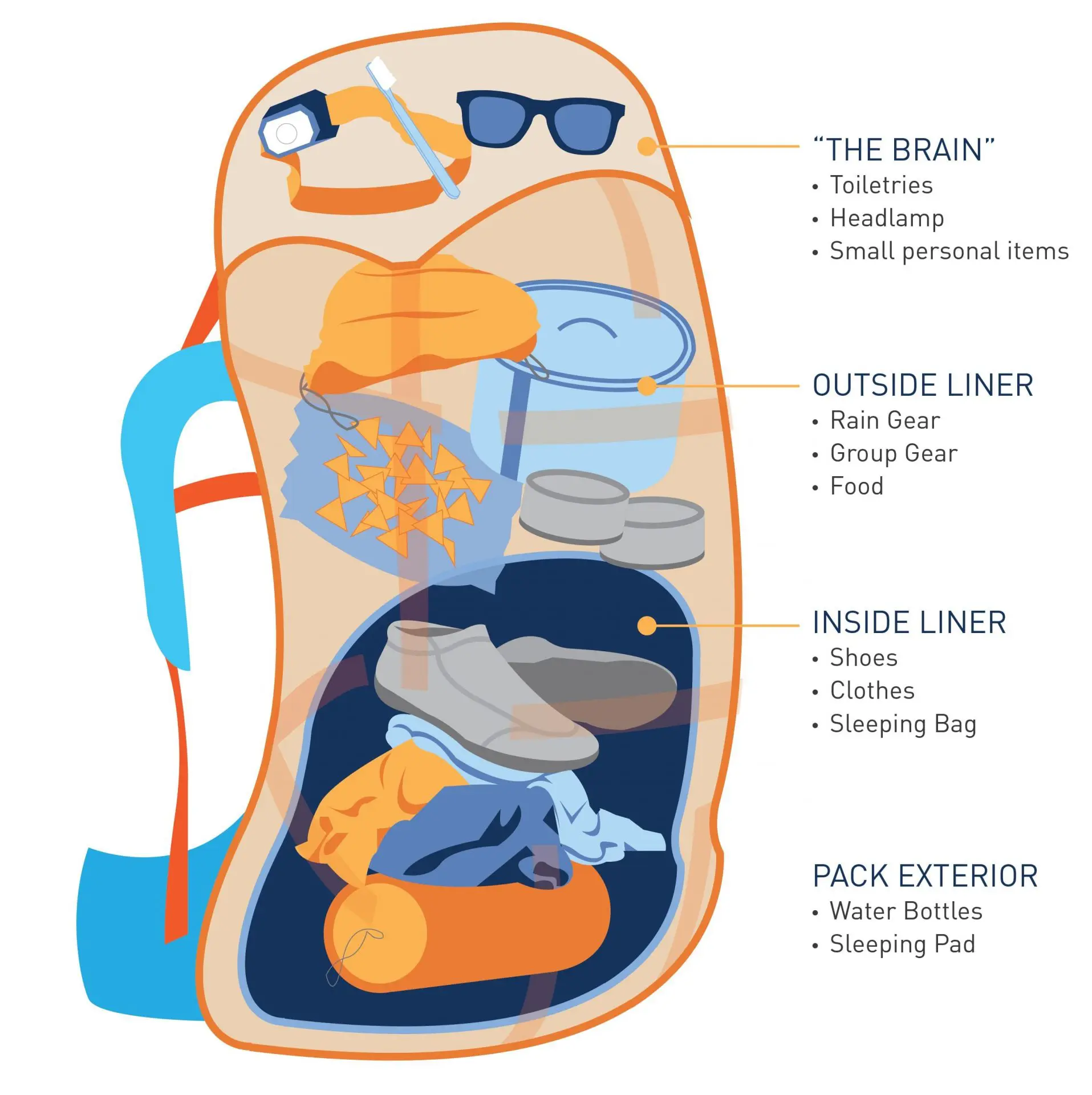
Many hikers attach the sleeping pad outside the backpack. Straps or bungee cords secure the pad tightly. This method frees up inside space for other gear. It also allows quick access to the pad. Keep the pad low or at the bottom to avoid imbalance. Cover the pad with a rain cover to keep it dry.
Internal Storage Options
Some backpacks have enough room to store a sleeping pad inside. Roll the pad tightly to save space. Use compression straps or bags to reduce its size. Place the pad near the back panel for support. Avoid putting heavy items on top of the pad. This protects the pad and keeps your pack comfortable.
Balancing Weight Distribution
Balance is important when carrying a sleeping pad. An unbalanced pack can cause discomfort or fatigue. Place heavier gear close to your back. Keep the sleeping pad either low or high, depending on your pack. Adjust straps to keep the load stable. Test your pack’s balance before starting your hike.
Securing Your Sleeping Pad
Securing your sleeping pad properly is important for a comfortable and safe hike. A well-fastened pad stays in place and protects your gear. It also makes your backpack easier to carry. Use simple methods to keep your sleeping pad tight and safe.
Using Straps And Bungee Cords
Straps and bungee cords are great for holding your sleeping pad. Wrap the straps around the pad and attach them to your backpack. Make sure the straps are tight but not too tight to damage the pad. Bungee cords stretch and hold the pad firmly in place. They are quick to use and adjust during your hike.
Waterproofing And Protection
Protect your sleeping pad from rain and dirt. Use a waterproof bag or cover before securing it. This keeps your pad dry and clean. A dry sleeping pad helps you rest better at night. Covers also stop scratches and tears from rough terrain or branches.
Preventing Movement During Hikes
Prevent your sleeping pad from moving or sliding. Fasten it close to your backpack frame. Use extra straps or cords if needed. Check the pad often and tighten straps if loose. A stable pad keeps your balance and avoids noise while walking.
Credit: www.outwardboundchesapeake.org
Comfort Tips On The Trail
Carrying a sleeping pad on your backpack adds comfort during your outdoor trips. Proper handling makes your trail time easier and more enjoyable. Small habits can improve your rest and overall experience.
Quick Setup And Breakdown
Keep your sleeping pad easy to reach on your backpack. This saves time when you stop for rest. Practice rolling and unrolling it quickly at home. Use straps or clips to secure it firmly. A fast setup means more time to relax.
Maintaining Pad Cleanliness
Protect your pad from dirt and moisture. Use a clean ground sheet or bag underneath. Wipe off mud or dust before packing it away. Clean gear lasts longer and stays comfortable. A tidy sleeping pad feels better on your skin.
Adjusting For Terrain And Weather
Choose a flat, dry spot for your sleeping pad. Add extra insulation under it in cold weather. Use a thicker pad on rocky or uneven ground. Adjust placement for shade or wind protection. Small changes improve comfort and warmth during sleep.
Common Mistakes To Avoid
Carrying a sleeping pad on your backpack seems simple but has common pitfalls. Avoiding these mistakes saves space, weight, and gear safety. Knowing what to watch out for helps you enjoy your trip more.
Overpacking And Bulkiness
Packing a heavy or large sleeping pad adds extra weight. It makes your backpack bulky and hard to carry. Choose a compact and lightweight pad to keep your load manageable. Avoid stuffing your pack with unnecessary items around the pad.
Ignoring Pad Durability
Not checking the pad’s durability can cause problems. Thin or damaged pads may puncture easily. This leads to uncomfortable sleep or no rest at all. Use a pad made from strong materials to last through rough trips.
Neglecting Proper Attachment
Failing to secure the sleeping pad properly risks losing it on the trail. A loose pad can swing or fall off your backpack. Use straps or attachments designed for your pack. Make sure the pad is tight and stable before you start walking.

Credit: outdoors.stackexchange.com
Frequently Asked Questions
How Do I Attach A Sleeping Pad To A Backpack?
Use straps or cords to secure your sleeping pad externally. Place it on top or at the bottom of your backpack. Ensure it is tightly fastened to prevent movement while hiking. Avoid covering ventilation areas for comfort and balance.
Can I Carry A Sleeping Pad Inside My Backpack?
Yes, if your backpack has enough space, roll or fold your sleeping pad compactly. Place it inside to protect it from damage and dirt. This method balances weight and keeps your gear organized. Use compression sacks to save space if needed.
What Is The Best Position For Carrying A Sleeping Pad?
Carry your sleeping pad either on top or at the bottom of your backpack. Top placement allows easy access and drying. Bottom placement helps stabilize the load and keeps your pad away from dirt. Choose the position based on your hiking style and gear setup.
How To Prevent Sleeping Pad Damage During Transport?
Roll your sleeping pad tightly and use a protective cover or sack. Secure it firmly with straps to avoid rubbing or punctures. Avoid placing sharp objects near the pad. Regularly check for tears and repair them promptly to extend its lifespan.
Conclusion
Carrying a sleeping pad on your backpack can save space and keep you comfortable. Choose the right method based on your pad type and backpack design. Straps, inside storage, or external attachments all work well. Make sure the pad is secure to avoid noise or damage.
Practice packing before your trip to find what suits you best. This way, your sleeping pad stays safe and ready for restful nights outdoors. Enjoy your adventure with less hassle and more comfort.


