
Packing a regular backpack for carry-on might seem tricky, but it doesn’t have to be. You want to bring everything you need without carrying extra weight or risking your bag being rejected at the gate.
Imagine breezing through security and having quick access to your essentials—all from one perfectly packed backpack. In this guide, you’ll discover simple, smart tips to organize your belongings so your carry-on fits airline rules and keeps you comfortable on the go.
Keep reading, and you’ll learn how to pack like a pro with just your regular backpack.

Credit: www.waywardblog.com
Choosing The Right Backpack
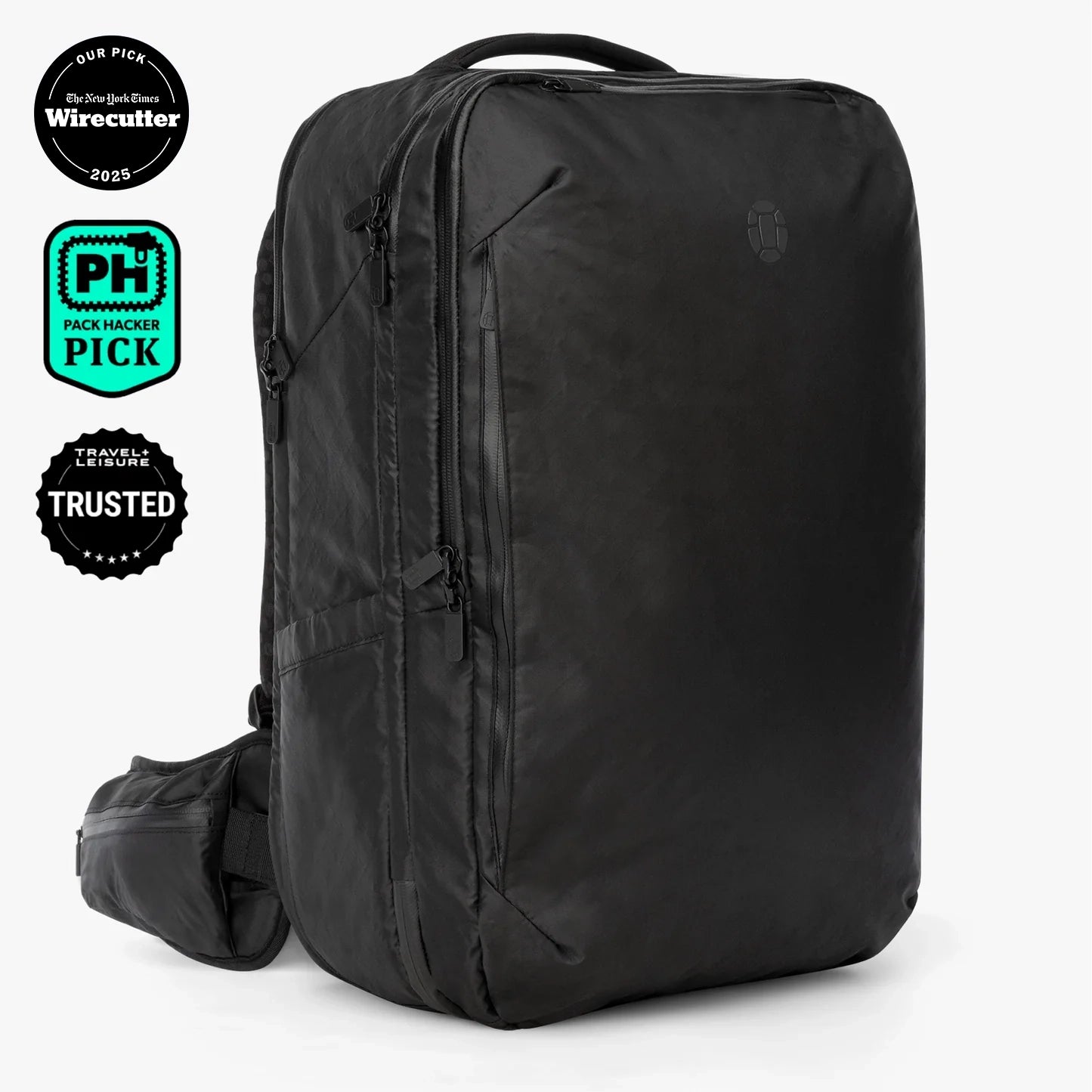
Choosing the right backpack is key for carry-on travel. The right bag makes packing easier and keeps your items safe. It also fits airline rules without trouble. Focus on size, compartments, and material to find the best backpack.
Size And Weight Limits
Check airline rules for carry-on size and weight. A backpack too big may not fit in overhead bins. Too heavy can cause extra fees. Pick a bag that meets these limits. A compact, lightweight backpack works best for easy travel.
Compartments And Pockets
Good backpacks have many compartments. Separate pockets keep your items organized. Use small pockets for chargers and keys. Larger sections hold clothes and books. This helps find things fast and saves space. Choose a backpack with easy-to-reach pockets.
Material And Durability
Strong material protects your belongings. Look for water-resistant fabric to keep things dry. Durable zippers and straps prevent damage. A tough backpack lasts through many trips. Avoid thin, weak materials that tear easily.
Selecting Essentials Only
Packing a regular backpack for carry-on travel needs careful thought. Carry less to carry better. Choosing only what you truly need saves space and avoids extra weight. This approach keeps your backpack light and organized. It also helps you move faster through airports and on trips.
Clothing Basics
Pick clothes that match your trip length and weather. Choose versatile pieces you can mix and match. Stick to neutral colors that go well together. Limit yourself to two pairs of shoes at most. Roll clothes tightly to save space and reduce wrinkles. Don’t forget underwear and socks for each day. A light jacket or sweater works for cool places.
Toiletries And Gadgets
Only pack essential toiletries in travel-size containers. Toothbrush, toothpaste, and deodorant are must-haves. Keep liquids under 100 ml and use a clear bag. Bring just one or two gadgets like a phone and charger. Avoid bulky electronics that add weight. Earphones and a power bank come in handy. Leave extra cables and adapters unless necessary.
Important Documents
Keep your passport, ID, and boarding pass within reach. Use a small pouch or a dedicated pocket for papers. Include travel insurance and any necessary visas. Store credit cards and some cash safely inside the backpack. Digital copies of documents on your phone help as backups. Organize these items to avoid last-minute searches at security.
Packing Techniques
Packing techniques help you fit more into your carry-on backpack. They keep your items neat and easy to find. Using smart methods saves space and avoids wrinkles. Your travel becomes more comfortable and organized.
Rolling Clothes To Save Space
Roll clothes tightly instead of folding them. Rolling reduces wrinkles and saves space. You can fit more items in small gaps. It works well for shirts, pants, and t-shirts. Roll each piece carefully to keep it compact.
Using Packing Cubes
Packing cubes divide your backpack into sections. They keep clothes and accessories in order. Cubes make it easy to find things fast. They also compress clothes for extra space. Choose cubes of different sizes for better use.
Filling Shoes And Gaps
Put small items inside your shoes to save space. Socks, chargers, or toiletries fit well inside. Fill gaps between packed items with soft things. This stops items from moving during travel. Use every inch to make your pack efficient.
Credit: www.tortugabackpacks.com
Organizing For Accessibility
Organizing your backpack for easy access makes travel smoother. When things are easy to find, you save time and avoid stress. Smart packing helps you keep important items within reach. It also keeps your bag neat and balanced. Follow these tips to pack your carry-on backpack in an organized way.
Keeping Essentials Handy
Place your essentials where you can grab them quickly. Items like your passport, phone, and wallet should be near the top. Use a small pouch or zippered pocket for these things. This avoids digging through your entire bag at security or boarding.
Keep a pen and travel documents in the same spot. This helps you fill out forms fast. Think about what you need most during the trip. Pack these items in an easy-to-reach place in your backpack.
Separating Clean And Dirty Items
Use separate bags or compartments for clean and dirty clothes. This keeps your fresh clothes fresh and your dirty clothes contained. A simple plastic or cloth bag works well for dirty laundry. This prevents odors and stains from spreading in your backpack.
Try to pack dirty clothes at the bottom or side of the bag. Keep clean clothes protected on top or in a different section. This method keeps your backpack organized and your items in good shape.
Using External Pockets Wisely
External pockets are perfect for items you need often and fast. Sunglasses, snacks, or a small water bottle fit nicely here. Avoid putting heavy or bulky items in these pockets. They can make your bag uneven or hard to carry.
Check the size of each pocket before packing. Use smaller pockets for small items like chargers or lip balm. Use larger pockets for things you want quick access to without opening the main compartment.
Maximizing Space With Compression
Packing a regular backpack for carry-on requires smart space use. Compression helps reduce the size of clothes and other soft items. It lets you fit more without making the bag too heavy or bulky.
Compression also keeps your backpack neat. It stops items from shifting during travel. This means easier access and less mess inside your bag.
Compression Bags And Sacks
Compression bags and sacks are simple tools to save space. They work by squeezing air out of your clothes. This makes your items smaller and easier to pack.
These bags come in many sizes. Use small ones for socks and underwear. Larger bags fit shirts and pants. Most are reusable and easy to carry.
Vacuum-sealed Options
Vacuum-sealed bags remove almost all air for tight packing. They use a vacuum or hand pump to seal clothes. This method saves more space than regular compression bags.
Vacuum bags are great for bulky clothes like jackets. They keep your backpack light and compact. Just be careful not to overfill them, or they may burst.
Balancing Weight Distribution
Compression reduces volume but not weight. Balance your backpack by placing heavier items near your back. Lighter items go toward the front or top.
This balance helps you carry the backpack comfortably. It also protects your back and shoulders during travel. Proper weight spread keeps your bag stable and easy to move.

Credit: www.notesfromtheroad.com
Tips For Carry-on Compliance
Packing a regular backpack as a carry-on can be tricky. Airlines have strict rules on size and weight. Following these tips helps avoid problems at the airport. Keep your bag within limits and travel smoothly.
Checking Airline Regulations
Each airline has its own carry-on rules. Visit the airline’s website before packing. Check size limits in length, width, and height. Look for weight restrictions too. Some airlines allow heavier bags than others. Know the rules to avoid extra fees.
Measuring And Weighing Your Backpack
Use a tape measure to check your backpack’s size. Measure the height, width, and depth. Compare these numbers with airline limits. Use a digital scale to weigh your packed bag. Keep your backpack under the allowed weight. This saves money and hassle at the gate.
Avoiding Common Packing Mistakes
Overpacking is the top mistake. Only pack what you really need. Avoid bulky items that take up space. Use packing cubes to stay organized. Place heavy items near the bottom of the bag. Check liquid rules for carry-on bags. Liquids must be in small containers inside a clear bag.
Last-minute Checks
Last-minute checks help avoid problems at the airport. These final steps ensure your backpack meets all rules. They make your travel smooth and stress-free. Use this time to confirm everything is packed correctly.
Security And Customs Ready
Place liquids in clear, resealable bags. Keep electronics easy to remove for screening. Remove sharp objects or anything not allowed. Have your ID and boarding pass handy. Check local customs rules for restricted items. This saves time and avoids delays.
Emergency Essentials
Pack a small first-aid kit with band-aids and pain relievers. Include any important medications in your carry-on. Add a phone charger and a portable battery. Keep a pen and copies of travel documents. These items help in unexpected situations.
Double-checking Your List
Review your packing list one last time. Confirm all important items are inside your backpack. Look for small things like chargers or headphones. Check the weight and size of your bag. This step prevents forgetting essentials and excess baggage fees.
Frequently Asked Questions
What Items Are Essential For Packing A Carry-on Backpack?
Pack travel documents, a change of clothes, toiletries, electronics, and chargers. Include snacks and a reusable water bottle. Prioritize lightweight, compact items to maximize space and meet airline regulations for carry-on size and weight limits.
How Can I Maximize Space In A Regular Backpack?
Use packing cubes or compression bags to organize and compress clothes. Roll garments instead of folding to save space. Place heavier items at the bottom and fill gaps with smaller accessories or soft items like socks.
Are There Restrictions For Liquids In A Carry-on Backpack?
Yes, liquids must be in containers of 3. 4 ounces (100 ml) or less. Place all containers in a clear, quart-sized zip-top bag. This bag must be easily accessible for security screening at the airport.
Can I Carry Electronics In A Regular Backpack Carry-on?
Yes, electronics like laptops, tablets, and cameras are allowed. Keep them easily accessible for security checks. Use padded compartments to protect devices during travel and avoid damage.
Conclusion
Packing a regular backpack for carry-on travel is simple. Start with essentials and keep items organized. Roll clothes to save space and avoid wrinkles. Place heavier items at the bottom for balance. Use small bags for toiletries and electronics. Check airline rules to avoid surprises at the gate.
With careful packing, you can travel light and stress-free. Ready to go? Your backpack holds everything you need. Enjoy your trip!


