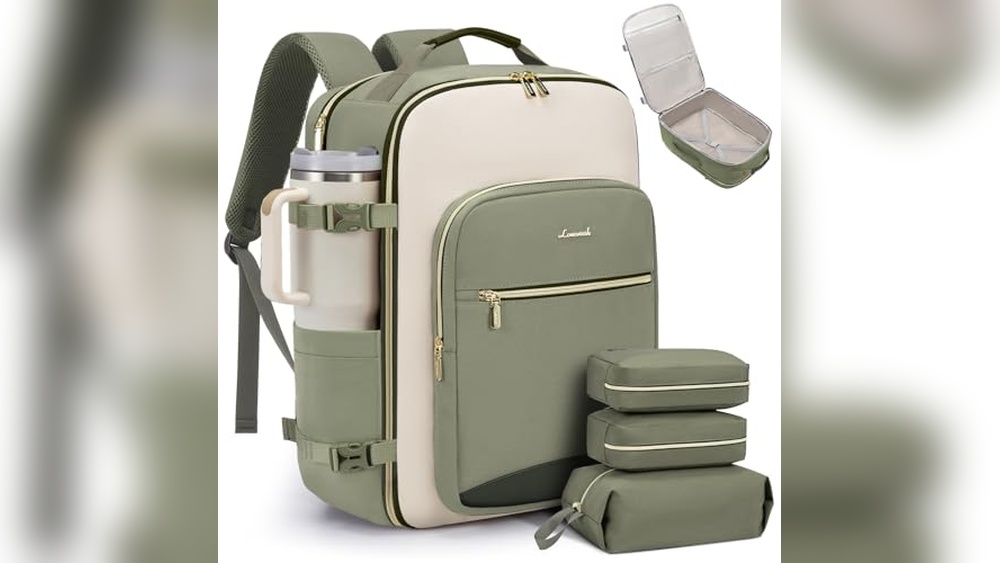
Have you ever wanted a backpack that perfectly fits your style and needs? Imagine creating one with your own hands, tailored just for you.
Stitching your own backpack might sound tricky, but with the right steps, you can do it easily and proudly. In this guide, you’ll discover simple methods and helpful tips that make the process clear and enjoyable. Ready to turn your ideas into a sturdy, unique backpack?
Keep reading, and let’s get started!
Choosing Materials
Choosing the right materials is key to making a strong and durable backpack. The materials affect how the backpack looks and how long it lasts. Picking good fabrics, threads, zippers, and hardware makes stitching easier and improves the final product.
Fabric Types For Backpacks
Backpack fabric must be tough and water-resistant. Canvas is a popular choice. It is thick and holds up well to wear. Nylon is light and dries quickly. Polyester resists fading and is strong. Choose fabric that suits your backpack style and use. Consider weight and weather resistance too. Durable fabric helps the backpack keep its shape over time.
Selecting Strong Thread
Thread strength matters a lot in backpack making. Polyester thread is strong and resists stretching. Nylon thread is also durable and smooth. Avoid cotton thread because it can break easily. Use thick thread for heavy-duty backpacks. A strong thread prevents seams from tearing. Match thread color with your fabric for a neat look.
Picking Suitable Zippers And Hardware
Zippers must be tough and easy to use. Metal zippers last longer but are heavier. Plastic zippers are lighter and resist rust. Choose zipper sizes based on backpack size. Strong buckles and rings keep straps secure. Plastic hardware is light, metal hardware is stronger. Test hardware parts before sewing to ensure durability.
Essential Tools
To stitch a backpack well, having the right tools is key. These tools help you work faster and make the backpack strong. They also keep your work neat and clean. Knowing which tools to use makes sewing easier and more fun.
Sewing Machine And Needles
A good sewing machine saves time and effort. It helps sew thick fabric layers with strong stitches. Use heavy-duty needles made for thick fabrics like canvas or leather. These needles do not break easily and give a smooth stitch.
Measuring And Cutting Tools
Accurate measurement is important for a well-fitting backpack. Use a tape measure or ruler to get exact sizes. Sharp scissors or a rotary cutter make clean cuts on fabric. Clean cuts prevent frayed edges and make sewing easier.
Marking And Pinning Supplies
Marking tools like tailor’s chalk or fabric pens guide your sewing lines. Pins or clips hold fabric pieces together firmly. This keeps the fabric from slipping while you sew. Remove pins as you sew to avoid damage to the machine.
Preparing The Pattern
Preparing the pattern is the first step in stitching a backpack. It sets the foundation for the entire project. A good pattern helps you cut the fabric accurately. This saves time and reduces errors. Careful preparation ensures the backpack fits your needs and looks great.
Finding Or Creating A Pattern
Start by searching for a backpack pattern online or in sewing books. Free and paid options are available. Choose a pattern that matches your style and skill level. You can also create your own pattern by sketching the backpack shape on paper. Use measurements from an existing bag or design your own.
Adjusting Size And Design
Check the pattern size before cutting any fabric. Adjust the pattern to fit your desired backpack size. Make changes to pockets, straps, or compartments if needed. Small tweaks can improve comfort and functionality. Use a ruler and pencil to mark changes on the pattern paper.
Cutting Fabric Pieces
Lay the pattern pieces on the fabric carefully. Pin them down to avoid shifting while cutting. Use sharp scissors to cut the fabric along the pattern edges. Cut each piece cleanly and precisely. Label each piece to keep track of them during sewing.
Sewing The Main Body
Sewing the main body of a backpack is a key step in its construction. This stage shapes the bag and gives it structure. Careful stitching ensures the backpack will hold its form and carry weight well.
Focus on accuracy and strong seams for a durable final product. Here are the main tasks involved in sewing the backpack’s body.
Joining Fabric Panels
Start by aligning the fabric panels carefully. Pin or clip them to keep edges even. Use a straight stitch to join the pieces. Sew slowly to maintain control and precision. Press the seams flat after sewing for a neat finish. This step forms the basic shape of your backpack.
Reinforcing Seams For Strength
Backpacks carry heavy items. Reinforce seams where stress is highest. Use a second line of stitching along the first. Consider a zigzag stitch for extra hold. Backstitch at the start and end of each seam. This prevents the thread from unraveling. Strong seams keep the bag durable and reliable.
Adding Pockets And Compartments
Pockets increase the backpack’s functionality. Sew them onto the main body before joining all panels. Use strong stitches around pocket edges. Add zippers or flaps for secure storage. Plan pocket placement carefully for easy access. Compartments help organize items inside the backpack.
Attaching Straps And Handles
Attaching straps and handles is a key step in making a backpack. These parts carry the weight and make it easy to carry your bag. Properly fixing straps and handles gives strength and comfort.
Careful measuring and secure sewing ensure the backpack lasts long. Padding adds softness, making the backpack gentle on your shoulders and hands.
Measuring And Cutting Straps
Measure the straps based on your body size and backpack design. Use a tape measure to get the right length. Cut the straps a little longer for adjustments later. Use strong fabric like nylon or canvas for durability.
Securing Straps To The Body
Pin the straps to the backpack body at marked points. Sew straps using a strong stitch like a box stitch or double stitch. Reinforce the ends with extra stitches to avoid loosening. Check the straps are tight and hold well before moving on.
Adding Padding For Comfort
Cut foam or soft material to fit under the straps. Sew or glue padding onto the straps for extra comfort. Padding helps reduce shoulder pain during long use. Make sure the padding does not change the strap length or fit.
Installing Zippers And Closures
Installing zippers and closures is a key step in stitching a backpack. These parts keep the backpack secure and easy to use. Proper installation makes the backpack strong and neat. It also helps the backpack last longer. Below are simple tips for working with zippers and closures.
Sewing Zippers Neatly
Choose a zipper that matches your fabric and size needs. Pin the zipper in place before sewing. Use a zipper foot on your sewing machine for close stitching. Sew slowly to keep stitches straight. Backstitch at the start and end to secure the zipper. Press the zipper area with an iron to make it flat.
Adding Buckles And Clips
Select buckles and clips that fit the backpack design. Attach straps to the backpack edges first. Slide the buckle or clip onto the strap. Sew the strap ends tightly to hold the buckle in place. Test the buckle by opening and closing it several times. Use strong thread to prevent breakage.
Testing Closure Functionality
Check each zipper by pulling it up and down smoothly. Open and close all buckles and clips to ensure they work well. Look for any loose threads or weak stitches. Fix any problems by resewing or tightening. A well-tested closure keeps your backpack safe and functional.
Finishing Touches
Finishing touches make your backpack look neat and last longer. This stage ensures your sewing work is clean and your backpack is ready for use. Small details here improve the overall quality and appearance. Pay attention to these final steps for a strong, stylish backpack.
Trimming Excess Threads
Cut all loose threads close to the fabric. Use sharp scissors for a clean cut. Loose threads can catch and unravel stitches. Trim carefully around seams and edges. This step keeps the backpack tidy and professional.
Adding Decorative Elements
Decorate your backpack with patches or badges. Sew or glue on buttons and fabric shapes. Choose elements that match your style. Decoration adds personality and makes your backpack unique. Keep decorations secure to avoid damage.
Waterproofing And Protection
Apply a waterproof spray to protect fabric from rain. Test spray on a small area first. Let the backpack dry fully before use. This step helps keep your belongings dry. Reinforce high-wear areas with extra stitching or fabric patches.
Care And Maintenance Tips
Taking care of your backpack keeps it strong and useful for a long time. Regular care stops small problems from turning big. Simple steps can help your backpack stay clean and in good shape.
Cleaning Your Backpack
Remove all items before cleaning your backpack. Use a soft brush to remove dirt and dust. Wash with mild soap and warm water. Use a cloth to gently scrub the fabric. Rinse with clean water and air dry. Avoid direct sunlight to keep colors bright.
Repairing Minor Damages
Check for small tears or loose stitches often. Use a needle and thread to fix loose seams. Patch holes with fabric patches or strong glue. Replace broken zippers or buckles quickly. Fixing small issues stops bigger damage later.
Storing For Longevity
Store your backpack in a cool, dry place. Keep it away from moisture to prevent mold. Hang or lay it flat to keep its shape. Avoid heavy items on top to stop crushing. Proper storage helps your backpack last longer.
Frequently Asked Questions
What Materials Do I Need To Stitch A Backpack?
You need durable fabric, strong thread, sewing needles, scissors, and a zipper. Choose materials based on the backpack’s purpose for strength and durability.
How Do I Sew Backpack Straps Securely?
Reinforce the strap ends by sewing multiple stitches. Use strong thread and double-stitch to ensure straps hold weight safely.
Can I Stitch A Backpack Without A Sewing Machine?
Yes, hand stitching works well. Use a strong needle and thread, and sew tightly with backstitches for durability.
What Is The Best Stitch For Backpack Seams?
Use a backstitch or lockstitch for strong seams. These stitches prevent unraveling and hold the fabric firmly under stress.
Conclusion
Stitching a backpack can be simple and fun. Follow each step with care and patience. Choose strong fabric and thread for best results. Take your time to sew neat and even stitches. Your handmade backpack will be unique and useful.
Practice will improve your skills over time. Enjoy carrying something you made by yourself. Keep trying, and soon stitching will feel easy. This skill can help you fix or create more items. Start your stitching project today and see the difference.