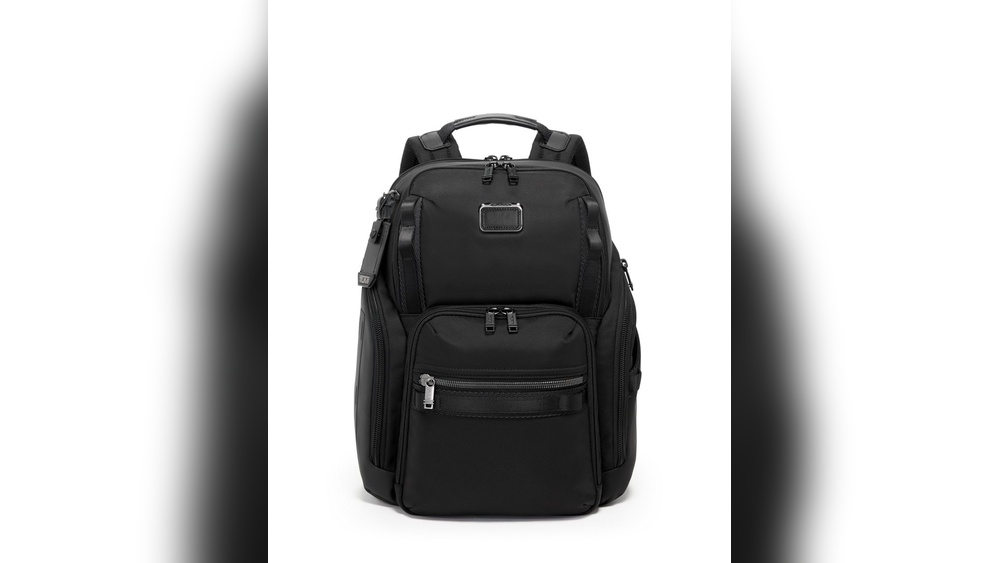
Are you tired of losing your favorite pins every time you move around? It’s frustrating when your backpack, filled with memories and style, starts to look empty because your pins just won’t stay put.
You want your pins to stay secure, show off your personality, and last longer. You’ll discover simple, effective tricks to keep your pins firmly attached to your backpack, so you never have to worry about them falling off again. Keep reading, because the solution is easier than you think—and your backpack will thank you!
Choose The Right Pins
Choosing the right pins is key to keeping them firmly on your backpack. Not all pins work the same. Some fall off easily. Others hold tight through daily use. Picking the right type and material makes a big difference.
Types Of Pins For Backpacks
There are many pin types for backpacks. The most common are enamel pins, safety pins, and button pins. Enamel pins have a metal backing with a sharp needle. They push through fabric and lock with a clasp. Safety pins close securely but can open if caught. Button pins use a pin back that presses into the fabric. Enamel pins usually stay on best.
Materials That Hold Better
Pin materials affect how well they stay. Metal pins hold better than plastic ones. Strong metal backs resist bending and breaking. Look for pins with rubber or metal clutches to keep them tight. Plastic backs often loosen and let pins fall off. Hard metals like stainless steel or brass work well for durability.
Prepare The Backpack Fabric
Preparing the fabric of your backpack is the first step to keep pins secure. Pins need a strong base to hold tight. Thin or weak fabric can make pins fall off easily. Taking time to check and reinforce the fabric helps your pins stay in place longer.
Check Fabric Thickness
Start by feeling the fabric where you want to put pins. Thick fabric holds pins better. Thin material might not support the pin’s weight. Look for spots that feel soft or too smooth. These areas might let pins slip out fast. Pick areas with firm, rough texture for better grip.
Reinforce Weak Areas
Weak spots need extra support. Sew a small patch behind the spot where pins go. Use strong fabric like denim or canvas. This patch will help hold the pins firmly. You can also iron on a fabric stabilizer. It adds stiffness to soft parts. Reinforcement makes pins less likely to fall off during use.
Pin Placement Tips
Placing pins on a backpack needs some care. Proper placement helps pins stay secure and avoid damage. A few simple tips can improve how well your pins hold.
Choose spots that support the pins well. Think about the backpack’s shape and how it moves. Place pins where the fabric is firm but not too tight.
Avoid Stress Points
Stress points are areas where fabric bends or stretches a lot. Avoid pinning on seams, zipper edges, or very thin material. Pins here can loosen or fall off quickly. Instead, pick flat and sturdy parts of the backpack. These spots hold pins better and last longer.
Group Pins Strategically
Group pins close together to make them more stable. A cluster of pins supports each other and reduces movement. Spread them out too much, and each pin may pull on the fabric alone. Keep groups balanced on the backpack for a neat look and better hold.
Secure Pins Effectively
Keeping pins secure on your backpack is key to avoiding lost or damaged items. Pins often fall off because their backs are loose or weak. Using the right tools and tricks helps them stay put for longer.
Small changes make a big difference. Choose methods that fit your pins and backpack style. This way, your pins stay safe without damaging the fabric.
Use Locking Pin Backs
Locking pin backs provide a strong hold. They snap tightly onto the pin’s post. This prevents the pin from wobbling or slipping off.
These backs are easy to use and remove when needed. They work well on thick or soft backpack materials. Locking backs add security without extra weight.
Add Small Washers
Small washers create extra grip under the pin back. They help spread pressure evenly on the fabric. This stops the pin from pulling out or loosening.
Washers come in metal or plastic and fit most pin sizes. Place one on the pin post before attaching the back. This simple step keeps pins snug and stable.
Alternative Attachment Methods
Pins on a backpack can fall off easily during daily use. Alternative attachment methods help keep pins secure and reduce the risk of losing them. These methods offer simple ways to make your pins last longer on fabric surfaces.
Using different techniques can improve pin stability. Some methods involve sewing or using clips that hold pins tightly in place. These options work well for various backpack materials and pin types.
Sewing Pins On Fabric
Sewing pins on fabric gives strong attachment. Use a needle and thread to stitch around the pin’s backing. This holds the pin firmly without damaging the fabric.
Choose a thread color that matches your backpack. Stitch small loops around the pin’s base. Make sure the pin is tight but easy to remove later.
This method works best for backpacks made of thick or soft fabric. It keeps pins from swinging or falling off. Sewing also adds a personal touch to your backpack design.
Using Safety Pins Or Clips
Safety pins or clips add extra security for backpack pins. Attach a safety pin through the fabric and the pin’s backing. This creates a stable hold that resists movement.
Metal clips can also clamp the pin to the fabric. These clips grip tightly without piercing the material. They work well on backpacks with tough or waterproof surfaces.
Both options are quick and easy to use. They allow for fast removal and repositioning of pins. Safety pins and clips protect your pins from falling off during travel or outdoor activities.
Maintain Pin Security Over Time
Keeping pins secure on a backpack takes ongoing care. Pins can loosen or fall off over time without attention. Small actions help keep pins tight and safe. This ensures your pins stay where you want them.
Regularly Check Pin Tightness
Check your pins often to make sure they stay tight. Gently press on each pin to feel if it moves. Tighten loose pins by adjusting the back or clasp. This simple step stops pins from slipping off. Regular checks prevent losing your favorite pins.
Store Backpack Carefully
How you store your backpack affects pin security. Avoid tossing or squashing the bag. Place it where pins won’t get caught or pressed. Use a hook or shelf to keep it safe. Proper storage protects pins from damage and loss.
Frequently Asked Questions
How Can I Prevent Pins From Falling Off Backpacks?
Use pins with secure clasps or locking mechanisms. Attach pins to thicker fabric areas to improve grip. Regularly check pins to ensure they remain firmly in place.
What Types Of Pins Stick Best On Backpacks?
Enamel pins with rubber or metal clutches provide strong hold. Magnetic pins are also effective for backpacks with metal components. Avoid flimsy or lightweight pins that easily slip off.
Can Fabric Glue Help Pins Stay On Backpacks?
Fabric glue can reinforce pin placement but may damage fabric. Use glue sparingly and only on non-visible areas. Test glue on a small fabric patch before full application.
How Do I Safely Remove Pins Without Damaging Backpacks?
Hold the pin backing firmly while gently pulling the pin out. Avoid twisting to prevent fabric tears. Use pliers for stubborn pins to reduce fabric strain.
Conclusion
Pins can add style and personality to any backpack. Keeping them secure takes simple steps and care. Choose strong pins and attach them firmly in thick fabric areas. Check pins often to avoid losing them. Small fixes like using glue or sewing help hold pins tight.
With these tips, your pins will stay put and look great. Enjoy customizing your backpack with confidence and ease.