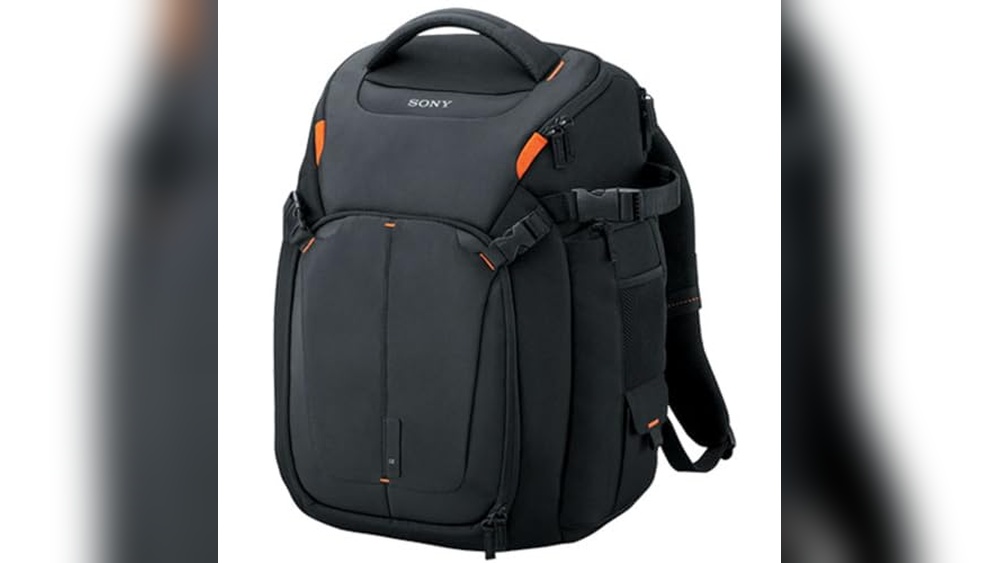
Are you looking to create a unique backpack that stands out from the crowd? Making a coffin backpack is a cool way to express your style and show off your creativity.
In this guide, you’ll learn simple steps to build your own coffin-shaped backpack, even if you don’t have much experience. Imagine carrying something that turns heads everywhere you go—your very own custom design. Keep reading, and by the end, you’ll have all the tips and tricks to make a backpack that’s as bold and original as you are.
Materials Needed
Gathering the right materials is the first step to make a coffin backpack. Choosing quality items ensures your backpack looks great and lasts long. Prepare everything before you start sewing.
Choosing The Right Fabric
Select a strong fabric like canvas or denim. These materials hold shape and resist wear. You can also use faux leather for a sleek look. Pick black or dark colors for a classic coffin style. Make sure the fabric is thick enough to support weight.
Essential Tools
Get a sharp pair of fabric scissors for clean cuts. A sewing machine speeds up the process and makes sturdy seams. Use pins or clips to hold pieces together. A measuring tape helps cut fabric accurately. Don’t forget needles and strong thread matching your fabric color.
Additional Accessories
Buy zippers that fit your backpack size for secure closure. Adjustable straps add comfort and fit. Small metal rings or D-rings help attach straps easily. Consider adding pockets or buckles for style and function. These extras make your coffin backpack both useful and stylish.
Design Planning
Design planning is the first step in making a coffin backpack. It helps you organize your ideas and materials. Good planning saves time and avoids mistakes. Focus on the shape, size, and pattern before you start cutting fabric.
Take your time in this stage. Your backpack will look better and fit well with careful design planning.
Selecting Coffin Shape
Choose a coffin shape that fits your style. The classic coffin shape is wider at the shoulders and narrow at the feet. You can also pick a rounded or more angular shape. Keep the shape simple for easier sewing.
Measuring Dimensions
Measure the backpack size based on what you want to carry. Standard backpacks are about 16 to 18 inches tall. Measure width and depth too. Add extra space for seams and padding. Write down all measurements clearly.
Sketching The Pattern
Draw your coffin shape on paper. Mark all edges and curves carefully. Include the front, back, and side panels. Add seam allowances around the edges. Use a ruler and pencil for accuracy. This pattern guides your cutting and sewing.
Cutting And Preparing Fabric
Cutting and preparing fabric is a key step in making a coffin backpack. This step sets the foundation for sewing and assembling your project. Precise cutting and clear markings help avoid mistakes later. Take your time and work carefully to get the best results.
Transferring Pattern To Fabric
Start by laying your fabric flat on a clean surface. Place the pattern pieces on the fabric. Use weights or pins to keep the pattern steady. Trace around the edges with a fabric marker or chalk. Make sure to include all notches and markings. Double-check that each piece matches the pattern size exactly.
Cutting Pieces Accurately
Use sharp fabric scissors for clean cuts. Cut slowly along the traced lines. Avoid lifting the fabric too much to keep edges smooth. Cut one layer at a time unless fabric is thick. Keep the scissors perpendicular to the fabric. This prevents jagged edges that can cause problems later.
Marking Sewing Lines
Mark the sewing lines inside the cutting lines. Use a fabric pen or chalk that shows clearly. Mark seam allowances as instructed in the pattern. Add extra marks for zippers or pockets if needed. These guides help keep stitches straight and even. Clear markings make sewing faster and easier.
Sewing The Backpack
Sewing the coffin backpack brings your project to life. This step joins all parts carefully. Precision here ensures a durable, stylish bag. Follow these simple steps to stitch the backpack perfectly.
Assembling Main Body
Start by sewing the front and back panels together. Use a strong thread and a straight stitch. Leave the top open for the zipper. Reinforce the corners for extra strength. Press seams flat with an iron. This creates a smooth base for the backpack.
Adding Zippers And Pockets
Attach the zipper to the top opening. Sew slowly to keep it straight. Add pockets inside or outside as needed. Use smaller stitches for pockets to hold items well. Test the zipper to ensure it moves smoothly. Pockets add useful space and style.
Creating Straps
Cut strap pieces from durable fabric. Fold and sew edges to make strong straps. Attach straps securely to the backpack body. Use reinforced stitching for safety and comfort. Adjust strap length to fit comfortably on your back. Well-made straps make carrying easy and safe.
Adding Decorative Elements
Adding decorative elements to your coffin backpack makes it unique and personal. This step lets you express your style and creativity. You can use paint, prints, or small items to decorate the backpack. Each option can change the look completely. Choose decorations that suit your taste and the backpack’s design.
Painting Or Printing Designs
Painting is a great way to add color and patterns. Use fabric paint for the best results. Simple shapes or spooky designs fit well with a coffin theme. Stencils can help make neat, clear images. Printing designs on fabric and sewing them on is another idea. It gives a polished, professional look. Keep your designs bold and clear for impact.
Attaching Embellishments
Embellishments add texture and interest. Try attaching studs, spikes, or chains for a gothic touch. Use strong glue or sew them on firmly. Small charms or badges also work well. Place them where they catch the eye but don’t get in the way. Embellishments can make your backpack feel more three-dimensional and lively.
Customizing With Patches
Patches are easy to add and remove. Pick patches that match your style or theme. Iron-on patches stick quickly and last long. Sew-on patches offer more durability. Arrange patches creatively across the backpack surface. They can tell a story or show your interests. Patches give a cool, personalized look without much effort.
Final Assembly
The final assembly stage brings all parts of the coffin backpack together. This step ensures the backpack is sturdy and ready to use. Careful work here improves both function and look. Focus on secure attachments and strong seams. Take time to check every detail before finishing.
Attaching Straps To Body
Start by fixing the straps to the backpack body. Use heavy-duty thread and strong stitching. Attach straps at key points for balance and comfort. Make sure straps are even and aligned. Double stitch for extra strength. Test the straps by pulling gently to confirm security.
Reinforcing Seams
Reinforce all seams to prevent wear and tear. Use a zigzag stitch or backstitch along the edges. Add extra fabric patches if needed at stress points. Reinforced seams increase durability and support weight well. Take care to keep stitches neat and tight. This step protects the backpack’s shape over time.
Quality Check
Inspect the backpack carefully after assembly. Look for loose threads, uneven stitches, or weak spots. Check zipper function and strap adjustability. Test the backpack by filling it lightly and carrying it. Fix any issues before use. A thorough quality check ensures a safe and lasting product.
Care And Maintenance Tips
Taking care of your coffin backpack helps it last longer and look great. Regular care keeps the material strong and clean. Small fixes stop big problems later. Follow these tips to keep your backpack in top shape.
Cleaning The Backpack
Use a soft brush to remove dirt and dust. Wipe the surface with a damp cloth and mild soap. Avoid soaking the backpack in water. Let it air dry away from direct sunlight. Clean inside pockets with a small brush or cloth.
Storage Suggestions
Store your backpack in a cool, dry place. Avoid places with high humidity or direct sunlight. Keep it upright or hang it to keep its shape. Do not store it in a tight space where it may get crushed. Use a dust bag if possible to protect it from dirt.
Repairing Minor Damages
Fix small tears quickly with fabric glue or patches. Sew loose threads with a needle and thread. Replace broken zippers or straps to avoid further damage. Check the seams regularly for signs of wear. Small repairs keep your backpack strong and useful.
Frequently Asked Questions
What Materials Are Needed To Make A Coffin Backpack?
To make a coffin backpack, you need fabric, zippers, straps, foam padding, and thread. Choose durable materials like canvas or leather. Also, have tools like scissors, sewing machine, and measuring tape ready for precise cutting and stitching.
How Long Does It Take To Make A Coffin Backpack?
Making a coffin backpack takes about 4 to 6 hours. This includes cutting fabric, sewing parts, and attaching straps. Skill level affects time; beginners may take longer. Planning and preparation help speed up the process.
Can I Customize The Design Of The Coffin Backpack?
Yes, you can customize the coffin backpack design. Change colors, add pockets, or use unique fabrics. Personalize it with patches, embroidery, or paint. Customization makes your backpack unique and tailored to your style.
Is Sewing Experience Required To Make A Coffin Backpack?
Basic sewing experience is recommended to make a coffin backpack. Knowing how to operate a sewing machine helps. Beginners can follow tutorials but should expect a learning curve. Practice and patience are key to success.
Conclusion
Making a coffin backpack can be a fun and creative project. You only need a few materials and some patience. Follow the steps carefully to get a sturdy and unique bag. This backpack will stand out wherever you go. Enjoy carrying something you made yourself.
Keep practicing to improve your skills. Try different designs next time. Crafting can be both useful and enjoyable. Start today and see what you can create!