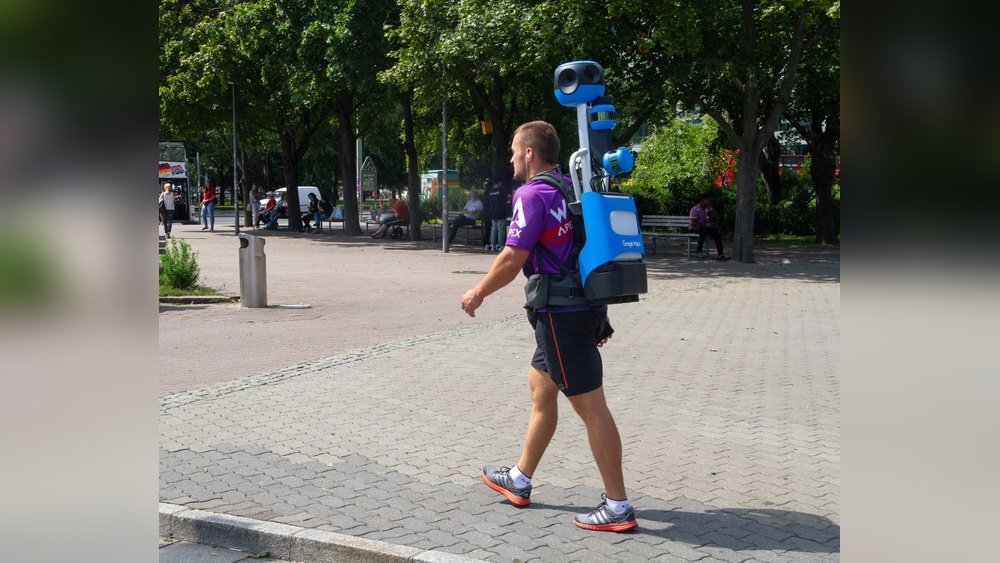
Have you ever wondered how Google captures those amazing 360-degree street views? If you think it’s just one camera, think again.
The secret lies in the number of cameras packed into the Street View Backpack. Understanding how many cameras are used will change the way you see this technology. Keep reading to discover the fascinating setup behind the scenes and why it matters to your experience exploring the world from your screen.
Street View Backpack Basics
The Street View Backpack lets people capture images in places cars cannot reach. It helps map narrow streets, parks, and hiking trails. This tool collects data to create detailed street views. The backpack carries cameras and other gear for easy walking use.
Purpose And Use
The backpack is designed to capture 360-degree images on foot. It helps map areas with steps, crowds, or tight spaces. People wear it while walking to gather pictures from different angles. This method improves map coverage in hard-to-reach places.
Key Components
The main part is the camera system mounted on top. It holds multiple lenses to capture all directions at once. The backpack also has a computer to store images and GPS for location tracking. Batteries power the system for several hours. Straps and padding make it comfortable for users to carry.
Camera Setup In The Backpack
The camera setup inside the Street View backpack is designed to capture every angle clearly. This setup helps create detailed, 360-degree images of streets and places. The backpack holds multiple cameras arranged to cover all directions. Each camera plays a key role in gathering visual data during walks.
Number Of Cameras
The Street View backpack usually contains about 15 cameras. These cameras work together to collect images from all sides. The exact number can change based on the version of the backpack. Having many cameras ensures no part of the scene is missed.
Camera Arrangement
The cameras are placed in a circular pattern on top of the backpack. This round setup allows for a full 360-degree view. Each camera points in a slightly different direction. This arrangement helps stitch images smoothly into one panorama.
Types Of Cameras Used
The backpack uses small, lightweight digital cameras. These cameras have wide-angle lenses to capture large scenes. Some models use high-resolution cameras for sharper images. The cameras are built to handle outdoor conditions well.
Technical Specifications
The Street View Backpack uses several cameras to capture the world around it. The technical specifications of these cameras play a big role in how clear and useful the images are. Understanding these specs helps us see why the backpack captures such detailed views.
Resolution And Image Quality
The backpack’s cameras have high resolution. This means they capture many pixels in each photo. More pixels create clearer images with sharp details. Good image quality helps users see small objects and street signs clearly. The cameras balance resolution with storage limits to keep data manageable.
Field Of View
The cameras have a wide field of view. They capture a broad area all around the backpack. This allows the backpack to record 360-degree views without blind spots. A wide field of view helps create smooth and complete street images. It covers everything from close objects to distant buildings.
Synchronization
All cameras work together at the same time. Synchronization ensures each photo matches the others perfectly. This creates seamless panoramic images without gaps or overlaps. Cameras sync their shutters and exposure settings. Accurate timing improves the quality of 3D mapping and virtual tours.

Credit: www.seroundtable.com
Data Capture Process
The data capture process in a Street View backpack is careful and precise. It collects many images and location details to create a full 360-degree view of streets and places. The backpack uses multiple cameras and sensors to gather this information as the person walks. This section explains how the images and data come together.
Image Stitching
The backpack has several cameras pointing in different directions. Each camera takes photos at the same time. These pictures overlap slightly to cover all angles around the wearer. Special software combines these images into one wide, seamless picture. This process is called image stitching. It makes sure the final image looks smooth and complete.
Gps And Sensor Integration
GPS helps track the exact location of the person wearing the backpack. Other sensors measure speed, direction, and movement. This data is linked with the images to place them accurately on the map. The sensors work together to improve the quality and accuracy of the captured data. It helps create a real-world view that matches the exact position.
Real-time Data Handling
The backpack processes data as it is collected. It compresses images and sensor data to save space. This allows more information to be stored during long walks. Some systems also check data quality immediately. This helps fix errors early and ensures good results. The real-time handling speeds up the overall data collection process.
Challenges And Solutions
Using multiple cameras in the Street View backpack creates unique challenges. The device must capture clear, seamless images while staying practical for users. Engineers solve problems related to weight, power, and weather. These solutions keep the backpack effective and easy to carry.
Weight And Portability
The backpack holds several cameras and other gear. This setup can become heavy and bulky. Designers use lightweight materials to reduce the overall weight. They arrange the cameras to balance the load. This helps the wearer move freely and comfortably.
Battery Life
Capturing images all day drains batteries fast. The backpack uses high-capacity batteries to last longer. Power management software controls energy use smartly. Users can swap batteries quickly to avoid downtime. This keeps the cameras running during long walks.
Environmental Factors
The backpack faces sun, rain, dust, and heat. Cameras need protection from water and dirt. Weatherproof casing surrounds each camera lens. Cooling systems prevent overheating in hot climates. These measures ensure clear images in tough conditions.
Comparison With Other Street View Devices
The Street View Backpack uses multiple cameras to capture images. This setup differs from other devices used for mapping. Each device has its own design and camera count. These differences affect how the images are taken and the areas covered.
Understanding these devices helps show why the backpack is unique. It is made for places where cars or trolleys cannot go. Let’s compare it with car-mounted systems and trolley or trike setups.
Car-mounted Systems
Car-mounted systems usually have between 9 and 15 cameras. These cameras cover a full 360-degree view around the vehicle. They capture street-level images fast while driving on roads. Cars carry heavy and large camera rigs safely on top.
This setup covers long distances quickly. It is best for wide streets and highways. However, cars cannot enter narrow paths, parks, or indoor spaces. The backpack fills this gap by being portable and flexible.
Trolley And Trike Setups
Trolleys and trikes carry cameras on smaller, wheeled platforms. They often use around 8 to 12 cameras. These setups work well on sidewalks, parks, and pedestrian zones. They move slower than cars but can access tighter spaces.
The trolley and trike systems balance portability and coverage. Still, they need smooth surfaces and some space to move. The backpack is more mobile and can reach stairs and rough terrain. This makes it ideal for detailed mapping in complex areas.
Future Trends In Street View Technology
Street View technology continues to evolve rapidly. It aims to capture our world more clearly and fully. New tools and methods improve how images are taken and processed. These changes help make maps more accurate and detailed.
Camera Innovations
Street View backpacks use many cameras to capture 360-degree views. Future models will likely use fewer but more powerful cameras. These new cameras will capture sharper images in low light. They will also be smaller and lighter. This makes the backpack easier to carry for longer times. Some cameras will include depth sensors to measure distances better. This helps create 3D images for more realistic street views.
Ai And Image Processing
Artificial intelligence plays a big role in improving Street View images. AI can remove blurs and fix colors automatically. It also identifies and hides faces and license plates to protect privacy. New software will stitch images faster and with higher accuracy. AI can also fill in missing parts of pictures. This creates smoother and more complete street views. In the future, AI will help update maps more often and with less human effort.

Credit: www.theverge.com

Credit: www.wired.com
Frequently Asked Questions
How Many Cameras Are In A Street View Backpack?
A Street View Backpack typically uses nine cameras. These cameras capture 360-degree images while walking through areas. This setup helps create detailed street-level views in Google Maps.
Why Does The Street View Backpack Use Multiple Cameras?
Multiple cameras ensure full 360-degree coverage. They capture images from different angles simultaneously. This helps create seamless panoramic views for accurate mapping.
How Do Street View Backpack Cameras Work Together?
The cameras synchronize to capture images at the same time. This coordination allows stitching of images into a continuous panorama. It improves image quality and spatial accuracy.
Are All Cameras In The Backpack The Same Type?
Yes, the backpack uses identical cameras for uniform image quality. Consistency aids in easier image processing and stitching. This uniformity enhances the overall visual experience.
Conclusion
The Street View Backpack uses multiple cameras to capture clear images. Each camera works together to create a full 360-degree view. This setup helps map areas that are hard to reach by car. The number of cameras ensures detailed and smooth street views.
This technology improves how we explore places online. It also helps people find their way better. The design balances size, weight, and camera quality well. The Street View Backpack shows how cameras can map the world.