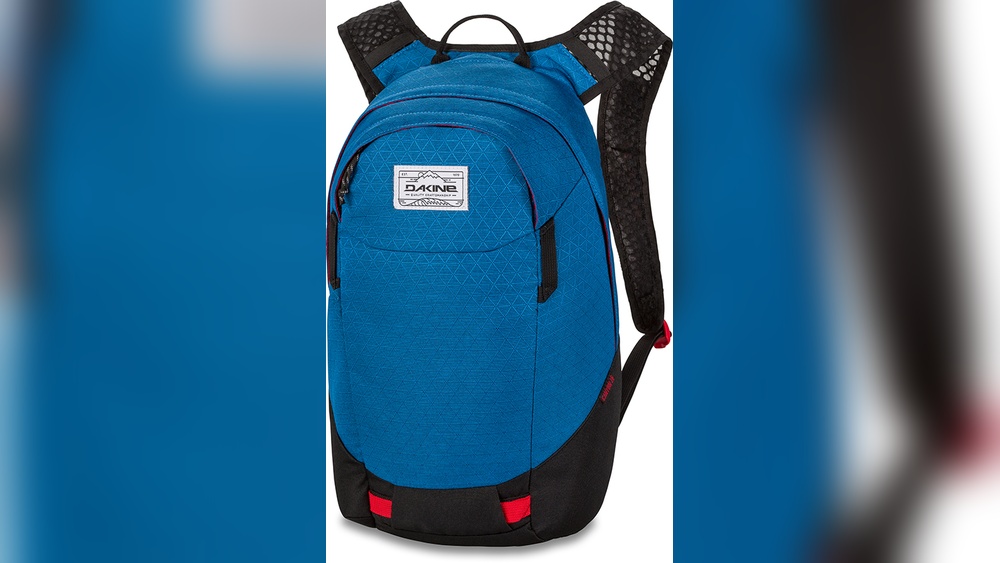
Are you struggling to get your Osprey backpack to fit just right? Properly adjusting the straps can make all the difference between a comfortable hike and a painful trek.
Whether you’re heading out for a day trip or a multi-day adventure, knowing how to fine-tune your backpack ensures better support, less strain, and more enjoyment on the trail. In this guide, you’ll learn simple, step-by-step tips to adjust your Osprey backpack straps for a perfect fit every time.
Keep reading—your back will thank you!
Choosing The Right Backpack Size
Choosing the right backpack size is key to a comfortable hike. A well-fitted pack keeps weight balanced and reduces strain. It also helps keep your gear organized and easy to carry.
Osprey backpacks come in many sizes. Each size fits different body types and trip lengths. Picking the correct size makes adjusting straps easier and more effective.
Understanding Torso Length
Measure your torso length before choosing a backpack. This length runs from the base of your neck to your hip bones. Osprey packs use torso length to match the frame size. A good fit means the pack sits comfortably on your back.
Considering Hip Belt Fit
The hip belt carries most of the pack’s weight. It should wrap snugly around your hips, not your waist. A proper hip belt reduces shoulder pressure and improves balance. Check the belt size against your hip measurements for the best fit.
Choosing Pack Volume
Pack volume is how much gear the backpack can hold. Daypacks usually range from 15 to 30 liters. Longer trips need larger packs, from 40 to 70 liters or more. Choose a size that fits your trip length and gear needs. Avoid packs too big or too small for your load.
Identifying Key Strap Components
Understanding the key strap components of your Osprey backpack helps you adjust it correctly. Each strap plays a unique role in comfort and support. Knowing these parts makes your backpack fit better and carry weight easier.
Shoulder Straps
Shoulder straps hold the backpack on your shoulders. They are padded for comfort. Adjust these straps to keep the pack close to your body. Too loose straps cause the pack to swing. Too tight straps may pinch your shoulders.
Hip Belt
The hip belt carries most of the pack’s weight. It sits on your hips, not your waist. Tighten the belt to transfer weight from your shoulders. A well-adjusted hip belt reduces fatigue on long hikes. Make sure it fits snug but not too tight.
Load Lifters
Load lifters connect the top of the shoulder straps to the pack. They help pull the pack closer to your body. Adjust them to keep the weight balanced. Tight load lifters stop the pack from pulling backward. Loose ones let the pack lean away from you.
Sternum Strap
The sternum strap links the two shoulder straps across your chest. It keeps the shoulder straps from slipping off. Adjust the height and tightness for comfort. This strap helps stabilize the pack during movement. It also improves balance on uneven terrain.
Loosening Straps Before Wearing
Loosening the straps on your Osprey backpack before wearing makes adjusting easier. It prepares the pack for a comfortable fit and prevents tight spots. Starting with loose straps helps you find the right tension gradually. This step saves time and avoids frustration during hikes or daily use.
Locate All Adjustable Straps
Find every strap that adjusts on your Osprey backpack. Look for shoulder straps, hip belt straps, and load lifters. Each strap has a specific role in comfort and support. Knowing their location helps in loosening them properly.
Release The Shoulder Straps
Start by pulling up on the shoulder strap webbing to loosen. This action creates slack for easy wearing. Avoid pulling too hard to protect the material. Loose shoulder straps allow the pack to sit lower on your back initially.
Loosen The Hip Belt Straps
Unbuckle the hip belt and pull the straps outward. Make sure the belt has enough slack to wrap around your hips comfortably. A loose hip belt prevents tightness when putting on the backpack. It also helps position the pack weight correctly later.
Adjust The Load Lifters
Load lifter straps are near the top of the shoulder straps. Pull them gently to loosen and create slack. This step helps balance the load and improves comfort. Loose load lifters allow you to fine-tune the pack fit after wearing it.
Securing The Hip Belt
Securing the hip belt on your Osprey backpack is key for comfort and balance. The hip belt carries most of the pack’s weight. This reduces strain on your shoulders and back. Proper adjustment helps you walk longer without pain. Follow these steps to get the best fit.
Positioning Around Hips
Place the hip belt so it rests on your hip bones. Not above the waist or on your stomach. The padding should wrap around the sides of your hips. This gives a solid base for weight support. Check that the belt sits low and snug. This position helps move weight from your shoulders to hips.
Tightening For Support
Pull the straps evenly on both sides. Tighten until the belt feels firm but not too tight. The belt should hold the pack close to your body. Avoid over-tightening to prevent discomfort. The right tightness stops the pack from bouncing while you walk. Make small adjustments to find your perfect fit.
Adjusting Shoulder Straps
Adjusting the shoulder straps on your Osprey backpack is key for a comfortable fit. Proper adjustment helps distribute weight evenly. It also prevents strain on your shoulders and back during long hikes.
Start by loosening the shoulder straps before putting on the pack. This makes it easier to pull them to the right length. The straps should feel snug but not tight.
Pulling Straps Evenly
Hold the backpack and pull both shoulder straps at the same time. Pull slowly to keep balance on both sides. Even tension stops the pack from leaning to one side.
Adjust the straps until the backpack sits close to your back. The weight should rest on your hips, not just your shoulders. Check that the straps feel equal in length and pressure.
Checking Strap Comfort
Wear the backpack and walk around for a few minutes. Notice if any spot feels too tight or digs into your skin. The straps should not pinch or cause pain.
Make small changes to loosen or tighten the straps as needed. The goal is a secure, comfortable fit that moves with you. Proper strap comfort helps reduce fatigue and improves balance.
Fine-tuning Load Lifters
Fine-tuning the load lifters on your Osprey backpack helps balance weight. These straps sit at the top of the shoulder straps. They pull the pack closer to your body. This adjustment makes carrying heavy loads easier. It improves comfort and stability during your hike.
Understanding The Purpose Of Load Lifters
Load lifters control how the pack sits on your back. Tightening them pulls the pack upward and closer. This reduces strain on your shoulders. It shifts weight toward your hips. Proper use prevents shoulder pain and fatigue.
How To Adjust Load Lifters Correctly
Start by loosening the load lifters completely. Put on your backpack with a full load. Pull the load lifters straps gently. Stop when the pack feels snug but not tight. The straps should form a 45-degree angle to your shoulders.
Signs Your Load Lifters Need Adjustment
Your shoulders hurt after a short walk. The pack feels like it is pulling backward. The weight rests mostly on your shoulders. These mean the load lifters are too loose. Tighten them slightly for better support.
Tips For Maintaining Load Lifters
Check the load lifters before every trip. Keep the straps clean and free of dirt. Replace worn or damaged straps quickly. Proper care keeps the straps working well for years.
Setting The Sternum Strap
The sternum strap on your Osprey backpack helps balance weight and improve comfort. It connects across your chest, keeping shoulder straps in place. Properly setting this strap prevents the pack from shifting during movement. Adjusting it right can reduce shoulder strain and boost stability.
Height Adjustment
Start by finding the sternum strap on the shoulder straps. Most Osprey backpacks have a sliding clip to change the strap height. Move the clip up or down to fit your chest comfortably. The strap should sit about an inch below your collarbone. Avoid placing it too high or too low to prevent discomfort. Test the position by moving your arms and shoulders.
Tightening For Stability
Buckle the sternum strap across your chest. Pull the strap ends to tighten it gently. The strap should be snug but not tight enough to restrict breathing. Tightening the sternum strap helps keep the shoulder straps from slipping off. It also keeps the backpack close to your body. Check your comfort by walking or hiking a short distance. Adjust the strap tension as needed for a secure fit.
Testing And Readjusting Fit
Testing and readjusting the fit of your Osprey backpack is crucial for comfort. A good fit helps avoid pain and keeps your load balanced. After initial adjustments, try moving around to check how the straps feel. Small changes can make a big difference during long hikes or daily use.
Walking And Bending
Put on your backpack and walk a few steps. Bend forward, twist, and stretch your arms. Notice if the pack shifts or feels loose. The straps should hold the pack close to your body without digging in. Adjust the shoulder straps and hip belt to keep the weight steady. This helps prevent strain during movement.
Addressing Pressure Points
Feel for spots where the straps press hard against your skin. Pressure points cause discomfort and can lead to sores. Loosen the straps slightly if you find tight areas. Use the load lifters and sternum strap to spread the weight evenly. Make sure padding rests gently on your shoulders and hips. A balanced fit means less pain and better support.
Maintaining Strap Condition
Maintaining the straps on your Osprey backpack keeps it comfortable and safe to use. Good strap care prevents wear and tear. It also makes your backpack last longer. Taking small steps regularly helps avoid big problems later.
Cleaning The Straps Properly
Remove dirt and sweat from the straps often. Use mild soap and warm water. Gently scrub with a soft brush or cloth. Avoid harsh chemicals that can damage the fabric. Let the straps air dry completely before using the backpack again.
Checking For Wear And Tear
Look at the straps for frays or loose stitching. Pay attention to strap ends and buckles. Fix small problems early to prevent bigger damage. Replace straps or parts if they become too worn.
Storing The Backpack Correctly
Keep the backpack in a dry, cool place. Avoid folding or crushing the straps. Hang the backpack or lay it flat. Proper storage stops straps from bending or weakening over time.
Frequently Asked Questions
How Do I Properly Adjust Osprey Backpack Straps?
Start by loosening all straps. Then, put on the backpack and tighten shoulder straps evenly. Adjust hip belt to rest on hips. Finally, fine-tune load lifters and sternum strap for comfort and stability during use.
When Should I Tighten The Hip Belt On My Backpack?
Tighten the hip belt once the backpack is on. It should sit snugly on your hip bones. This helps transfer weight from your shoulders to your hips, reducing strain and improving balance on long hikes.
What Are Load Lifter Straps For On Osprey Backpacks?
Load lifter straps connect the top of the shoulder straps to the pack. They help pull weight closer to your body. Adjust them to a 45-degree angle for better load distribution and increased comfort.
How Do I Adjust The Sternum Strap Correctly?
Position the sternum strap across your chest, about an inch below your collarbone. Tighten it just enough to stabilize the shoulder straps. Avoid over-tightening to maintain easy breathing and upper body mobility.
Conclusion
Adjusting the straps on your Osprey backpack makes carrying easier and more comfortable. Start by loosening all straps before putting on the pack. Then, tighten the shoulder straps until the pack feels snug but not tight. Adjust the hip belt to rest on your hips, taking most weight off your shoulders.
Finally, use the load lifters and sternum strap for extra stability. Small changes can make a big difference. Keep practicing until the fit feels right for you. Enjoy your adventures with a well-fitted backpack.