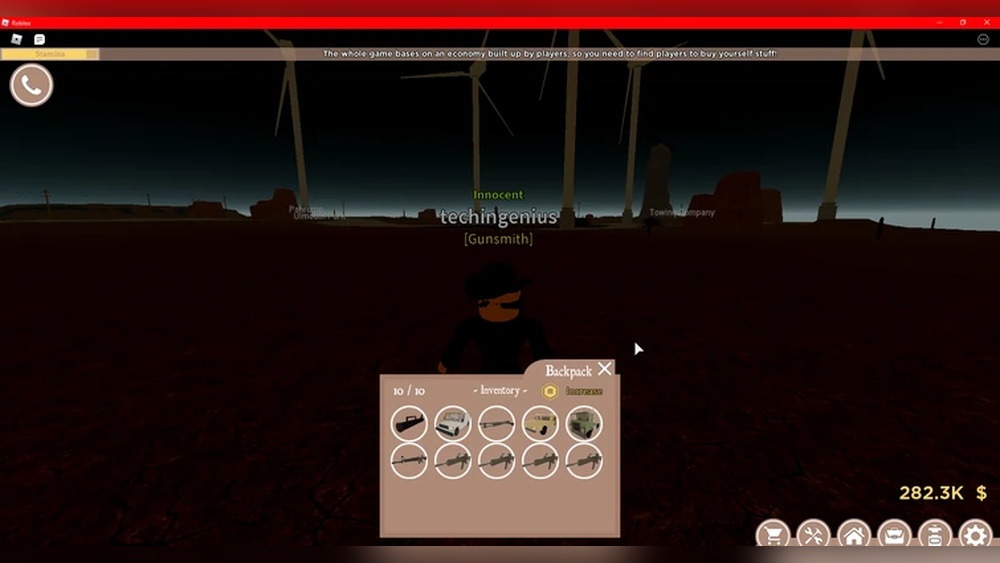
Are you struggling to fit everything you need into your backpack Anomic? You’re not alone.
Packing a backpack efficiently can be tricky, especially when you want to carry just the right amount without making it heavy or messy. Imagine opening your backpack and finding everything exactly where you need it—easy to grab and perfectly organized.
You’ll discover simple, smart ways to pack your backpack Anomic so it feels lighter and works better for you. Keep reading, and you’ll learn how to turn your backpack into your perfect travel or daily companion.

Credit: serona.vet
Choosing The Right Backpack
Choosing the right backpack matters a lot. It makes packing easier and keeps your stuff safe. The right backpack fits your needs and style. Think about what you carry daily. Also, consider where you go and how long you stay out. A good backpack helps you stay organized and comfortable. Below are key points to consider before buying one.
Size And Capacity
Pick a backpack size that matches your load. A small bag suits light travel or school. Bigger bags fit more stuff for trips or work. Avoid bags that are too large or too small. Too big means extra weight. Too small may not hold all your things. Check the liters or cubic inches for capacity details.
Material And Durability
Choose backpacks made from strong materials. Nylon and polyester resist water and tears. Look for reinforced stitching and sturdy zippers. Durable bags last longer and protect your items. A waterproof or water-resistant bag helps in rain. Pay attention to quality details, like padded straps and back support.
Compartments And Pockets
Good backpacks have many compartments and pockets. Separate spaces keep your items organized. Use small pockets for keys, chargers, and snacks. Bigger compartments hold books, clothes, or gadgets. A laptop sleeve protects your computer. Easy access pockets save time and effort. Think about how you like to arrange your stuff.
Credit: anomic.fandom.com
Essential Packing Tools
Packing your backpack smartly saves space and keeps things neat. Essential packing tools help organize your items. They make it easy to find what you need fast. These tools also protect your belongings from damage and mess. Using the right tools can make your trip smoother and less stressful.
Packing Cubes
Packing cubes are small bags that fit inside your backpack. They keep clothes and gear separate and tidy. You can pack shirts in one cube and pants in another. This stops clothes from mixing and wrinkling. Cubes also help you find items quickly without unpacking everything.
Compression Bags
Compression bags reduce the size of soft items like clothes. You put your clothes inside and press out the air. This makes your clothes smaller and saves space. Compression bags work great for bulky items like jackets and sweaters. They keep your backpack lighter and more organized.
Organizers And Pouches
Organizers and pouches hold small items like chargers, toiletries, and snacks. They keep these items in one place so you don’t lose them. Clear pouches help you see what is inside without opening. Using these tools keeps your backpack clutter-free and easy to use.
Packing Strategies
Packing a backpack well saves space and keeps things organized. Good strategies make carrying easier. Knowing how to arrange items helps find them fast. Follow simple tips to pack smart and light.
Rolling Vs Folding Clothes
Rolling clothes saves more space than folding. It also reduces wrinkles. Roll t-shirts, pants, and soft fabrics tightly. Folding works better for stiff or thick clothes. Try both methods to see what fits best.
Layering Techniques
Place heavy items at the bottom of the backpack. Add medium-weight items next. Light items and fragile things go on top. Layering keeps balance and protects delicate things. Use small bags or pouches to separate layers.
Maximizing Space
Fill every corner with small items like socks or chargers. Use pockets for easy access to essentials. Compress bags can shrink bulky clothes. Keep shape by avoiding empty gaps. Tidy packing means more stuff fits inside.
Weight Distribution Tips
Good weight distribution makes carrying your backpack easier. It helps avoid back pain and keeps you comfortable. Organizing items inside your backpack with care is very important. Follow these tips to spread the weight evenly and keep balance.
Heavy Items Placement
Put heavy items close to your back. Place them in the middle of the backpack. This keeps the weight near your center of gravity. Avoid putting heavy things at the bottom or far from your back. It will pull you backward and cause strain.
Balancing Load
Balance the load on both sides of your backpack. If one side is heavier, you may feel tired quickly. Distribute items so the weight feels even. This prevents leaning or twisting while walking.
Accessibility Of Essentials
Keep important items easy to reach. Place things like water bottles, snacks, or maps in outer pockets. Avoid burying them under heavy gear. Quick access saves time and keeps you ready for anything.
Protecting Fragile Items
Protecting fragile items inside your backpack keeps them safe from damage. Careful packing prevents cracks, breaks, and scratches. This section explains easy ways to protect delicate belongings.
Padding Techniques
Use soft padding around fragile items. Bubble wrap works well to absorb shocks. You can also use foam or thick cloth pieces. Wrap each item carefully for extra security.
Using Soft Items As Buffers
Place soft items like clothes or towels next to fragile things. These act as cushions and reduce movement. Layering soft items around fragile pieces adds a strong buffer.
Separating Electronics
Keep electronics separate from heavy or sharp objects. Use small pouches or cases for each device. This stops scratches and prevents damage from bumps during travel.
Packing For Different Trips
Packing changes depending on your trip length and activities. Different trips need different items and space in your backpack. Organize smartly to carry what matters most without extra weight. Knowing how to pack for each type of trip saves time and stress.
Day Trips
For day trips, pack light and practical. Carry water, snacks, and a small first aid kit. Bring a rain jacket or hat depending on weather. A camera or phone fits easily for photos. Keep your backpack small to stay comfortable all day.
Weekend Getaways
Weekend trips need more clothes and toiletries. Pack enough outfits for two or three days. Include a change of shoes and personal care items. A compact charger and travel documents are important too. Use packing cubes to keep things organized and easy to find.
Extended Travel
Long trips require careful planning and efficient packing. Choose versatile clothing that can mix and match. Bring a laundry kit to wash clothes on the go. Include extra chargers, adapters, and travel guides. Distribute weight evenly to avoid back pain during long walks.
Maintaining Backpack Organization
Keeping your backpack organized helps you find things fast. It makes carrying your items easier and keeps your bag neat. A well-organized backpack saves time and stress. It also protects your belongings from damage. Simple habits keep your backpack in great shape.
Regularly Repacking
Take time to repack your backpack often. Remove items you no longer need. Put things back in their right place. This stops clutter from building up. Repacking helps you notice missing or broken items. It keeps your backpack light and ready to use.
Keeping Track Of Items
Know what you carry every day. Make a list of important things to bring. Check your list before leaving home. Use small pouches to group similar items. This prevents losing small objects inside your bag. Tracking items saves you from forgetting essentials.
Cleaning And Maintenance
Clean your backpack regularly to avoid bad smells. Empty it and shake out dirt and crumbs. Use a damp cloth to wipe the inside and outside. Let it dry completely before using again. Check zippers and straps for damage. Fix or replace parts to extend your backpack’s life.

Credit: macconcussion.com
Frequently Asked Questions
How Do I Organize Items In My Backpack Anomic?
Start by grouping similar items together. Use small pouches or bags to separate essentials. Place heavy items near your back for balance. Prioritize frequently used items at the top for easy access.
What Is The Best Way To Pack A Backpack Anomic?
Distribute weight evenly to avoid strain. Pack heavier items at the bottom and close to your back. Fill gaps with smaller items to maximize space. Keep valuables in secure compartments.
How Can I Prevent Damage To Items In My Backpack?
Use padded compartments for fragile items. Wrap electronics in soft cloth or cases. Avoid overstuffing to reduce pressure on belongings. Regularly check and reorganize to maintain protection.
Which Items Should I Pack First In My Backpack Anomic?
Start with bulky and heavy items at the bottom. Next, add medium-sized items in the middle. Place light and frequently used items on top. This order ensures balance and easy access.
Conclusion
Packing your backpack Anomic can be simple and quick. Start with big items first, then add smaller ones. Keep heavy things close to your back for comfort. Use all pockets to stay organized. Check your bag before you go. This helps you carry what you need easily.
Practice makes packing faster and easier over time. Enjoy your trip with a well-packed backpack!