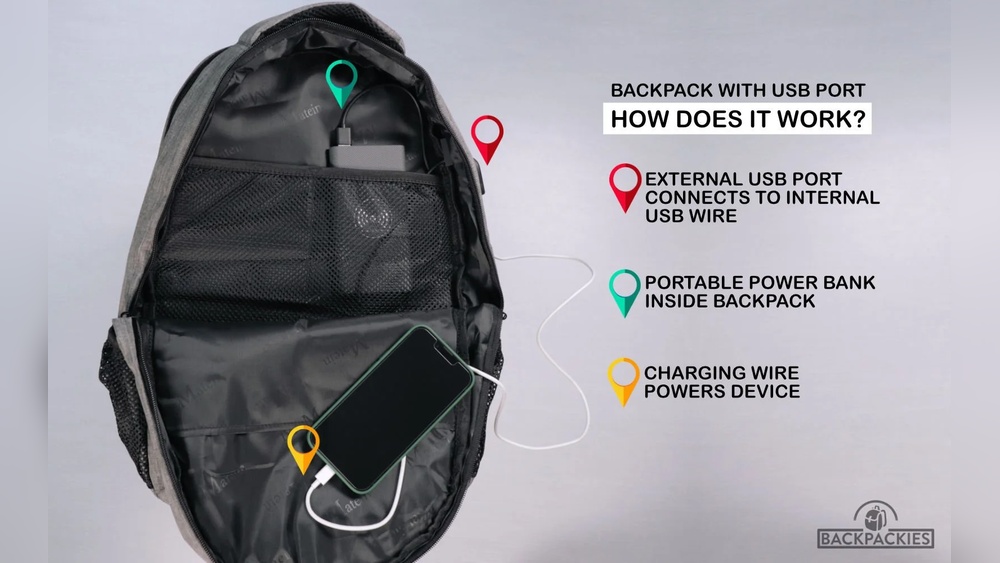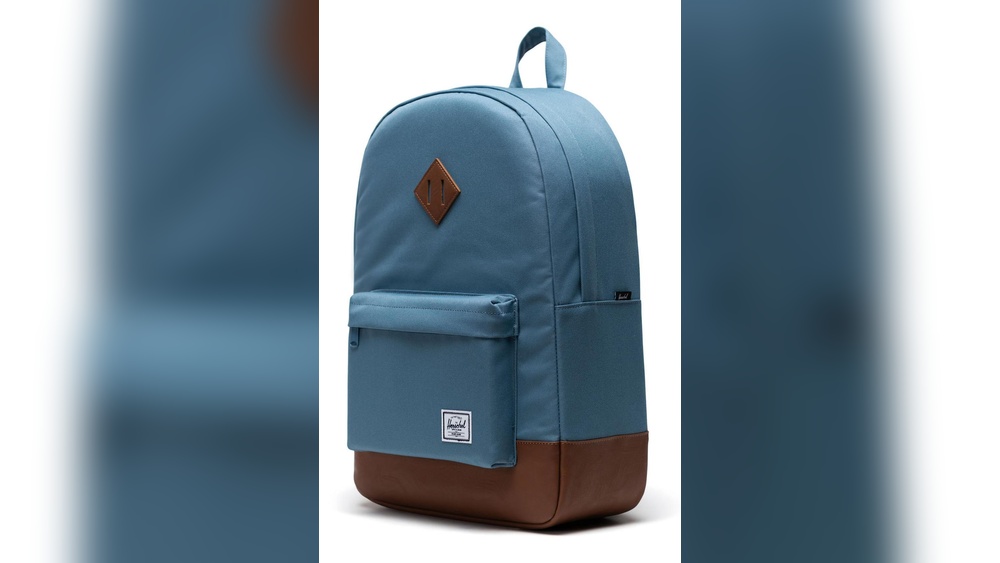
Are you wondering how to calculate the material content for backpacks accurately? Whether you’re designing your own backpack or trying to understand what goes into making one, knowing how to measure and calculate materials is key.
It’s not as complicated as it sounds, and once you grasp the basics, you’ll be able to make smarter decisions—saving money, reducing waste, and creating better products. Keep reading, and you’ll learn simple steps to break down the material content with confidence and ease.
Key Materials In Backpacks
Backpacks use various materials to balance strength, comfort, and style. Knowing these materials helps calculate content and weight accurately. Each part plays a role in the backpack’s function and durability.
Common Fabrics And Their Uses
Most backpacks use nylon or polyester fabric. Nylon is strong and resists tearing. Polyester dries quickly and is less expensive. Canvas is heavy but very durable. Some backpacks have water-resistant coatings. These fabrics protect your items from rain and wear.
Hardware And Accessories
Hardware includes zippers, buckles, and hooks. These parts are usually metal or plastic. Metal hardware adds strength but weighs more. Plastic hardware keeps the backpack light. Straps and loops help carry and organize gear. Quality hardware lasts longer and works smoothly.
Padding And Linings
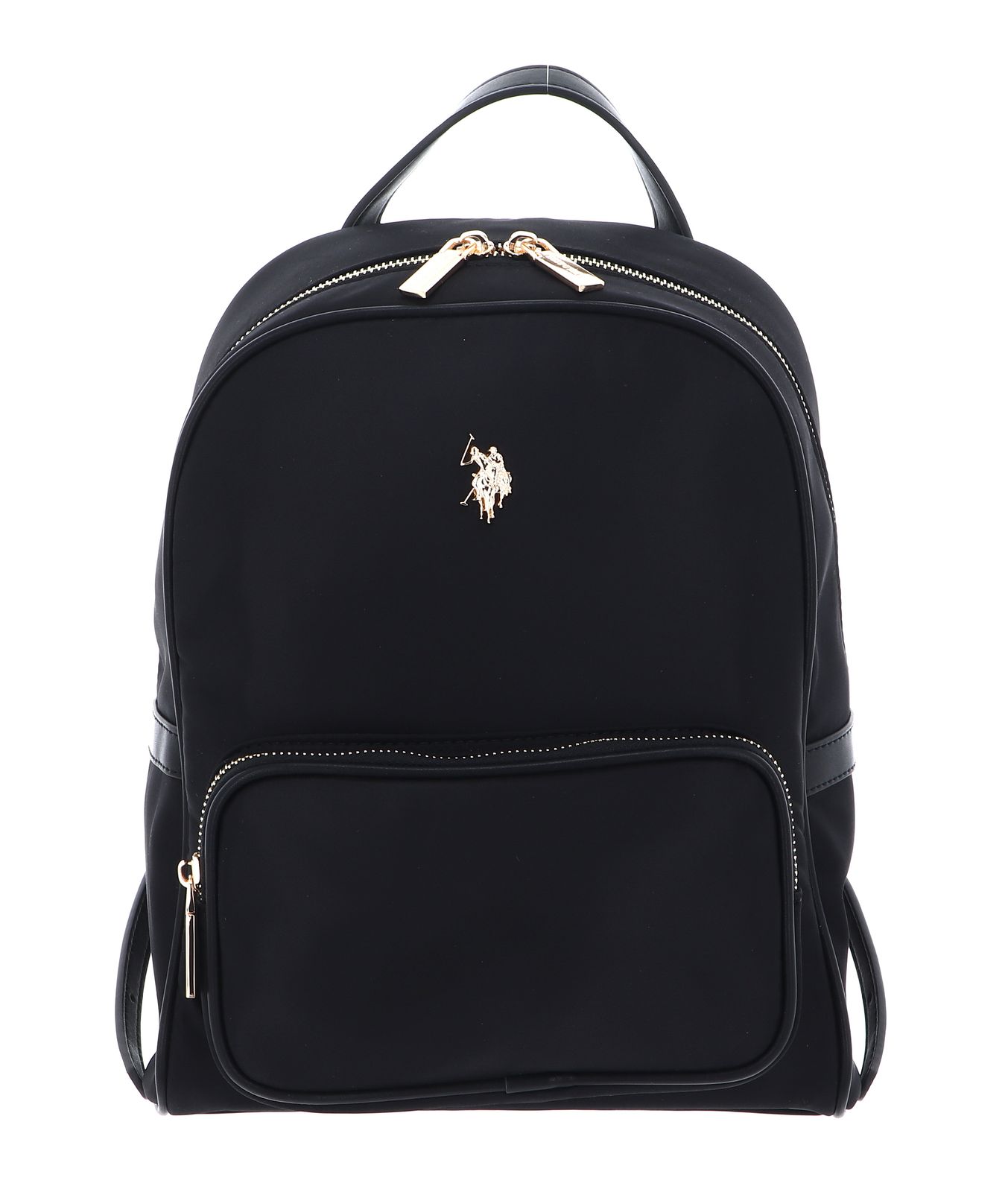
Padding makes backpacks comfortable to wear. Foam is the most common padding material. It cushions shoulders and back. Linings protect the inside fabric and contents. They are often made of thin nylon or polyester. Good padding and lining improve comfort and durability.
Credit: www.modeherz.de
Measuring Fabric Requirements
Measuring fabric requirements is a key step in making backpacks. This process helps you know how much fabric to buy. Accurate measurement saves money and avoids running out of material.
Start by understanding the size of each backpack part. Then, add extra fabric for sewing and mistakes. Careful planning leads to better results.
Calculating Surface Area
First, measure the length and width of each backpack panel. Multiply these numbers to get the surface area. Add all panel areas together for total fabric needed.
Don’t forget pockets, straps, and linings. Each piece uses fabric and must be measured separately.
Accounting For Seams And Overlaps
Seams need extra fabric. Add about 1 to 2 inches around edges for sewing. Overlaps also take more material, especially in pockets and flaps.
Include seam allowances in your fabric calculation. This prevents fabric shortages during assembly.
Estimating Wastage
Fabric wastage happens during cutting and sewing. Add 10% to 15% extra fabric for waste. This margin covers errors and pattern matching.
Planning for wastage helps avoid delays and extra trips to buy fabric.
Quantifying Hardware Components
Quantifying hardware components is a key step in calculating material content for backpacks. These parts affect the total weight and durability of the bag. Accurate measurement helps in estimating costs and ensuring quality.
Hardware includes zippers, buckles, straps, and fasteners. Each type needs careful counting and sizing. This process provides a clear view of the materials needed for production.
Counting Zippers And Buckles
Start by counting every zipper on the backpack. Note the length and type of each zipper. Check for metal or plastic teeth, as they differ in weight and cost.
Count all buckles, including side release and ladder lock styles. Record their size and material. This helps in estimating the total hardware weight.
Strap Lengths And Widths
Measure the length of each strap carefully. Include shoulder, chest, and waist straps. Also, measure the width to find the total strap area.
Record these measurements to calculate fabric and padding needed. The size of straps impacts comfort and strength.
Fasteners And Reinforcements
Identify all fasteners like snaps, rivets, and hooks. Count each type and note its size and material. These small parts add to the backpack’s durability.
Check reinforcements such as extra stitching and patches. Measure their area to estimate additional material. Reinforcements protect stress points on the backpack.
Calculating Padding And Lining
Calculating padding and lining is key to designing a comfortable and durable backpack. Padding protects the contents and adds comfort for the wearer. Lining keeps the interior smooth and helps with water resistance. Both affect the backpack’s weight and size. Careful calculation helps balance comfort, protection, and overall weight.
Determining Thickness And Coverage
First, decide the padding thickness. Thickness depends on the backpack’s use and comfort needs. For heavy loads, thicker padding works better. Cover all areas that touch the body, like straps and back panels. Also, add padding inside pockets for fragile items. Measure the surface area to cover with padding carefully.
Choosing Appropriate Materials
Select padding materials that offer good cushioning and durability. Foam and EVA foam are popular for their light weight and shock absorption. For lining, use fabrics like nylon or polyester. These materials resist water and wear well. Match materials to the backpack’s purpose and budget. Choose materials that keep the backpack light yet strong.
Estimating Weight And Volume
Calculate the total weight of padding and lining materials. Use material density and volume to find weight. Volume equals surface area times thickness. Add padding and lining weights to get total material weight. This helps keep the backpack light and comfortable. Also, check how much space padding takes inside the bag. Balance protection with usable space for the user.
Using Tools And Software
Calculating material content for backpacks requires accurate methods. Tools and software help simplify this process. They reduce errors and save time. Using the right tool depends on your skill level and project needs.
Manual Calculation Techniques
Manual calculation uses basic math and measurements. You measure each backpack part’s size. Then multiply by the material’s weight per unit area. This method works well for simple designs. It needs careful measurement and patience. Mistakes can happen if numbers are wrong.
Digital Design Tools
Digital tools offer precise calculations and 3D views. Programs like CAD software help design backpacks. They show exact material dimensions. You get instant material weight and cost estimates. These tools work best for complex shapes. They require some learning but improve accuracy.
Spreadsheet Templates
Spreadsheet templates organize data and automate calculations. You input material sizes and weights. The sheet calculates total material needed quickly. It helps track costs and compare options. Spreadsheets are easy to customize and share. Good for both beginners and professionals.

Credit: efex.vn
Tips To Simplify Material Calculation
Calculating material content for backpacks can seem tricky at first. Small mistakes lead to wasted fabric or shortages. Using simple tips makes this task easier and faster. Clear steps help avoid confusion and save time.
Organize your work before starting. Keep all measurements and materials in one place. Follow these tips to simplify your material calculations.
Organizing Material Lists
Make a detailed list of all materials needed. Include fabric types, zippers, buckles, and thread. Write down exact lengths or quantities for each item. Use a notebook or digital tool to keep track. A clear list reduces errors and speeds up your work.
Double-checking Measurements
Measure twice to avoid mistakes. Check each piece of fabric and hardware carefully. Compare your numbers with your backpack design. Mistakes at this stage can cause delays and waste. Taking a moment to review saves effort later.
Consulting Manufacturer Guidelines
Review guidelines from fabric and hardware makers. They often provide useful details on material use. Follow their advice to match material needs exactly. This step helps avoid buying too much or too little. Manufacturer tips improve accuracy in your calculations.
Credit: www.bowhunting.com
Frequently Asked Questions
What Materials Are Commonly Used In Backpacks?
Backpacks often use nylon, polyester, canvas, and leather. Each material affects durability, weight, and water resistance. Understanding these helps calculate the overall material content accurately.
How To Measure Fabric Needed For A Backpack?
Measure each backpack panel’s dimensions, then multiply length by width. Add seam allowances and extra fabric for pockets or reinforcements. This total gives the fabric amount required.
Why Calculate Material Content In Backpacks?
Calculating material content helps estimate costs, minimize waste, and improve design efficiency. It also aids in selecting sustainable materials and optimizing backpack production.
How To Include Hardware In Material Calculations?
Count all zippers, buckles, and straps. Assign approximate material weight or volume for each piece. Add this to the fabric measurements for a complete calculation.
Conclusion
Calculating material content for backpacks helps you choose the right product. Knowing the materials gives insight into durability and comfort. It also helps compare different backpacks easily. Always check fabric types and weight carefully. Measure each part if needed for accuracy.
This way, you can make smarter buying decisions. Keep it simple and use a checklist. Understanding materials saves money and avoids surprises later. Take your time and review details well. This small effort leads to better satisfaction with your backpack.