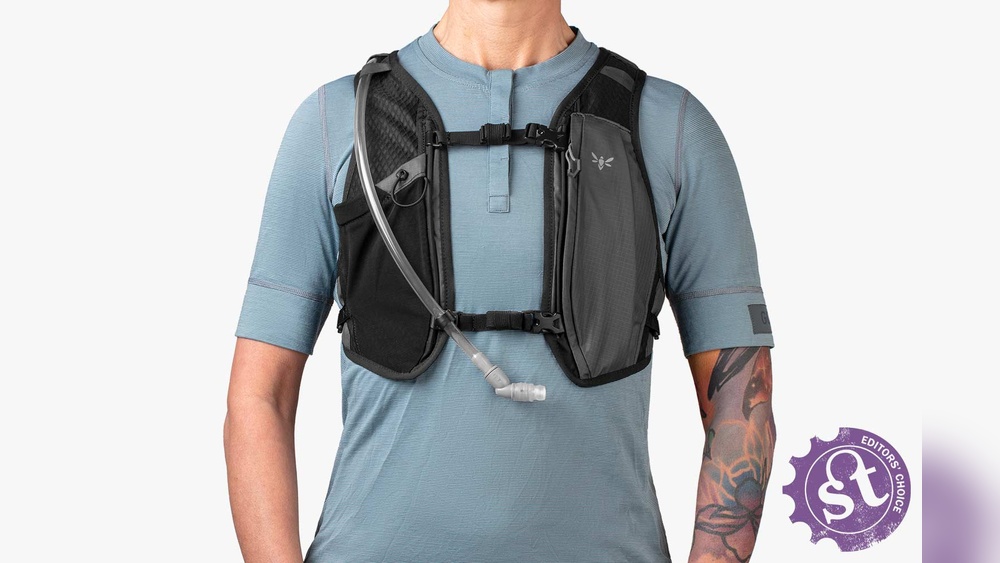
Are you struggling to get your water backpack bladder to work right? You’re not alone.
Many people find it tricky to set up or use their hydration pack without leaks, clogs, or awkward spills. But once you know the simple steps, you’ll enjoy fresh, cool water on the go—without any hassle. Keep reading, and you’ll learn easy tips to make your water bladder work perfectly every time.

Credit: en.wikipedia.org
Choosing The Right Water Bladder
Choosing the right water bladder is key to staying hydrated during your outdoor activities. The right bladder makes drinking easy and keeps water clean. It also fits well inside your backpack. This guide helps you pick the best option for your needs.
Material Types
Water bladders come in different materials. Most use BPA-free plastic or TPU. BPA-free plastic is light and flexible. TPU is stronger and lasts longer. Some bladders have antimicrobial layers to stop mold. Choose a material that feels safe and easy to clean.
Capacity Options
Capacity varies from 1 to 3 liters. Smaller bladders are lighter and good for short trips. Larger bladders hold more water but add weight. Think about how long you will be outside. Pick a size that fits your daily water needs.
Compatibility With Backpacks
Not all bladders fit every backpack. Some backpacks have special sleeves for water bladders. Check the size and shape of the bladder. Make sure it fits your backpack’s water compartment. A good fit stops leaks and makes carrying easier.
Initial Setup Steps
Getting a water backpack bladder ready for use needs some simple steps. These steps help keep the water clean and avoid leaks. Follow these tips for a smooth setup.
Cleaning The Bladder
Start by rinsing the bladder with warm water. Use mild soap if it is new or has a smell. Avoid harsh chemicals that can damage the material. Let the bladder dry completely before filling it.
Filling Techniques
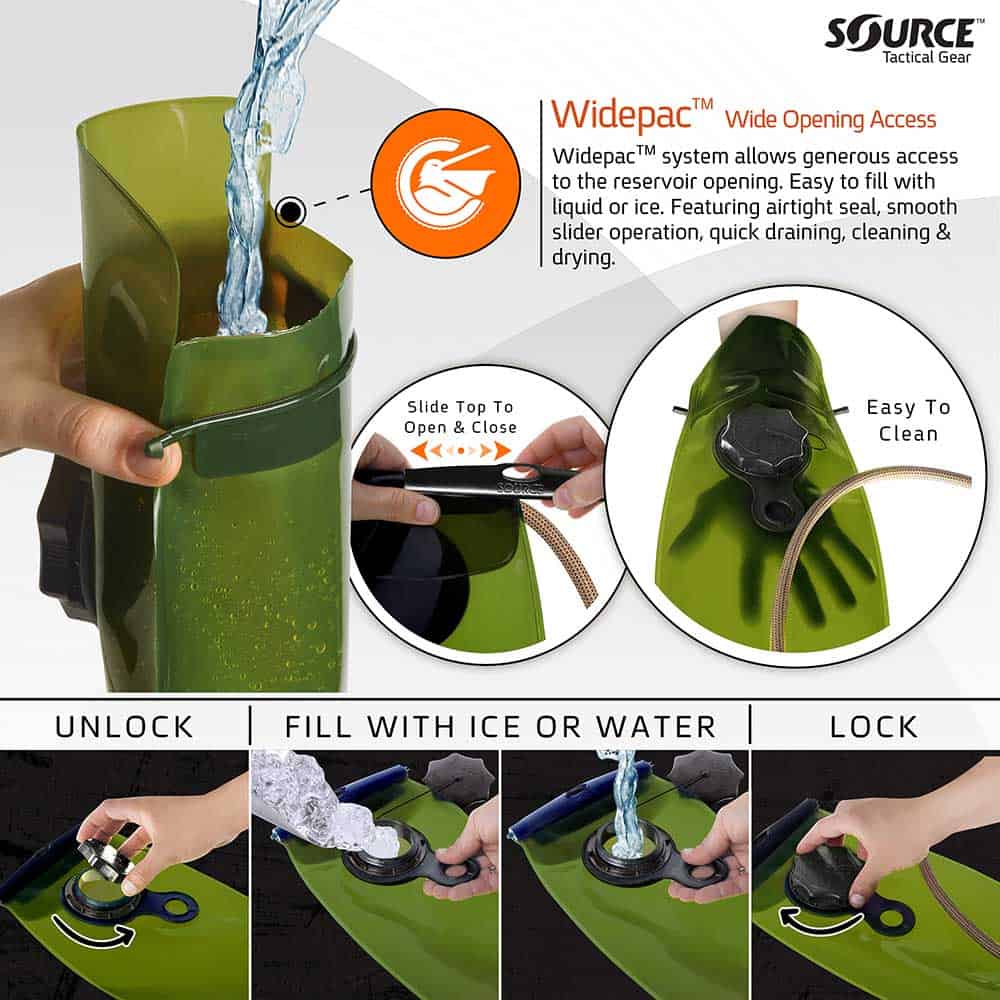
Open the bladder wide to fill it easily. Use clean, cool water to avoid bad taste. Fill the bladder only to the marked level. Overfilling can cause spills or damage.
Sealing Properly
Close the bladder opening tightly to prevent leaks. Press along the seal to ensure it is secure. Check for gaps or folds that can let water escape. Test by gently squeezing before use.
Common Issues And Solutions
Water backpack bladders are useful for staying hydrated during outdoor activities. Sometimes, they don’t work as expected. This section covers common issues you might face. It also offers simple solutions to fix them quickly.
Leaking Problems
Leaks often happen at the seams or valve. Check the bladder for cracks or holes. Tighten the cap and valve firmly. Replace damaged parts to stop leaks. Clean the sealing area to ensure a tight fit. Avoid overfilling the bladder, which can cause leaks.
Blocked Tubes
Blocked tubes stop water from flowing smoothly. Dirt, sand, or dried water can cause blockages. Remove the tube and flush it with clean water. Use a small brush or pipe cleaner if needed. Make sure the tube is completely dry before reattaching it. Store the bladder with the tube open to prevent blockages.
Air Bubbles
Air bubbles make drinking harder. They usually form when the bladder is not filled or sealed properly. Fill the bladder slowly to reduce air pockets. Squeeze the tube gently to push air out. Keep the valve open a bit while drinking to allow air to flow in. This stops air from getting trapped inside.

Credit: unigearshop.com
Maintenance Tips
Keeping your water backpack bladder clean and well-maintained helps it last longer. Proper care stops bad smells and bacteria from growing. Follow these simple tips to keep your bladder fresh and ready for use.
Regular Cleaning
Rinse the bladder after every use with warm water. Use mild soap to clean the inside gently. Avoid harsh chemicals that can damage the material. Use a soft brush or cleaning kit to reach all corners. Clean the drinking tube by running water through it. Regular cleaning removes dirt and prevents mold growth.
Drying Methods
Dry the bladder completely after cleaning. Hang it upside down with the cap off to let air flow inside. Use a clean towel to wipe inside if needed. Avoid folding the bladder while wet to stop mold. Ensure the tube dries as well by hanging or blowing air through it. Proper drying keeps your bladder fresh and safe.
Storage Advice
Store the bladder in a cool, dry place. Keep it away from direct sunlight to protect the material. Store it open or with the cap off to allow air circulation. Avoid storing the bladder with water inside. Using a freezer for storage can stop bacteria growth. Proper storage keeps your bladder clean and ready for use.
Enhancing Performance
Enhancing the performance of a water backpack bladder makes your outdoor trips easier. Small steps improve how well the bladder works and keeps water fresh. Proper care helps you drink smoothly and stay hydrated.
Focus on simple tricks that protect your water and keep it flowing. These tips help avoid common problems like leaks or freezing. They also make carrying water more comfortable.
Using Insulation Covers
Insulation covers keep water cool or warm longer. They protect the bladder from sun and heat. This helps stop water from tasting bad. Covers also prevent sweat from making the backpack wet.
Soft covers reduce noise when you move. They add a layer of protection against bumps. Choose covers that fit your bladder size well. Easy to remove and clean covers work best.
Positioning In Backpack
Place the bladder in the backpack’s main compartment. Keep it upright to avoid leaks. Avoid tight spots that can squeeze or bend the bladder.
Secure the bladder’s hose near your shoulder. This makes drinking easier and faster. Make sure the hose is not twisted or blocked. Proper positioning keeps water flowing freely.
Preventing Freezing
Cold weather can freeze water in the bladder. Keep the bladder close to your body to use your warmth. Use insulated hoses to protect water in the tube.
Fill the bladder with warm water before starting. Sip often to keep water moving. Moving water freezes slower. Avoid leaving the bladder outside in freezing temperatures.
Credit: sourcetacticalgear.com
Troubleshooting Advanced Problems
Troubleshooting advanced problems with your water backpack bladder can feel tricky. Some issues need more than just cleaning or refilling. This section helps with those tough problems. It shows how to replace parts, fix tears, and upgrade components. These steps keep your bladder working well on every trip.
Replacing Parts
Sometimes a part breaks or wears out. The valve, tube, or mouthpiece may need replacement. Find exact parts from the backpack brand. Remove the old piece carefully. Install the new part tightly to avoid leaks. Test the bladder after replacing parts to ensure it works well.
Repairing Tears
Tears in the bladder cause leaks and waste water. Use a repair kit made for hydration bladders. Clean and dry the torn area fully. Apply the patch as the instructions say. Press firmly to seal the tear. Let it dry completely before using the bladder again.
Upgrading Components
Upgrading parts improves your bladder’s performance. Replace the tube with a wider one for better water flow. Use a bite valve with a shut-off feature to stop leaks. Some upgrades add insulation to keep water cool. Choose upgrades that fit your backpack model perfectly.
Frequently Asked Questions
How Do I Fill A Water Backpack Bladder Properly?
To fill a water backpack bladder, open the cap or slider, hold it under clean water, and fill to desired level. Avoid overfilling to prevent leaks. Securely close the opening to keep water inside and prevent spills during use.
How Can I Prevent Leaks In My Water Bladder?
Check all seals and connections before use. Ensure the cap or slider is tightly closed. Inspect the bladder for any punctures or damage. Store the bladder flat and avoid sharp objects to prevent leaks during your adventure.
How Do I Clean A Water Backpack Bladder Effectively?
Use warm water and mild soap to clean the bladder. Scrub with a soft brush or use cleaning tablets. Rinse thoroughly and air dry completely to avoid mold and odors. Clean regularly after each use for hygiene.
How Do I Avoid Air Bubbles In The Water Bladder?
Fill the bladder slowly and squeeze out excess air before sealing. Keep the hose elevated while filling to prevent air pockets. This ensures a smooth water flow and avoids interruptions while drinking.
Conclusion
Getting a water backpack bladder to work is simple with the right steps. Keep the tube clear and check for blockages. Fill the bladder properly and secure the cap tightly. Make sure the valve opens smoothly for easy drinking. Practice using it before your trip to avoid surprises.
Staying hydrated on the go becomes easier this way. Enjoy your outdoor adventures without hassle. Small care makes a big difference. Remember, patience helps when setting up your hydration system.
