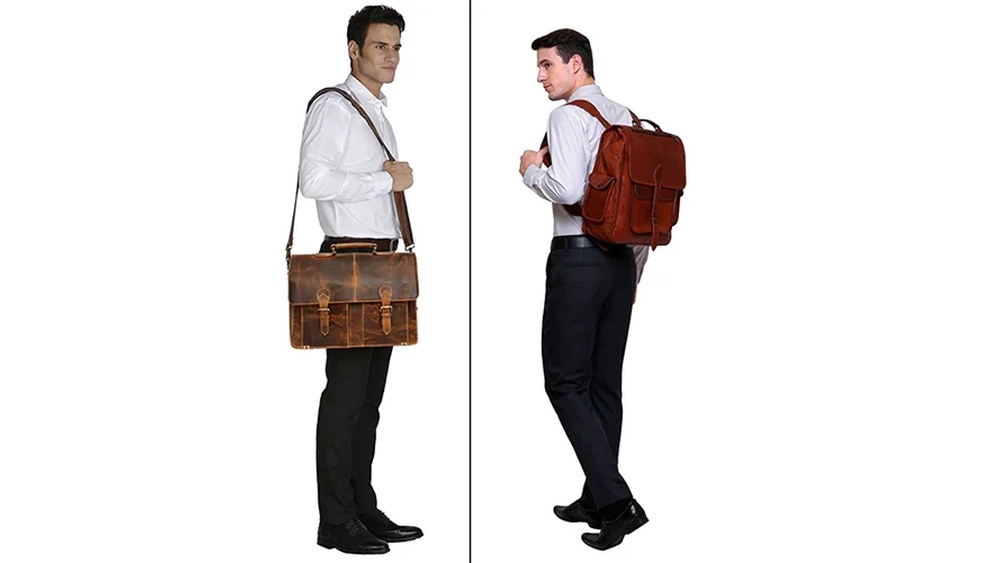
Choosing the right size for your work backpack can make a huge difference in your daily routine. If it’s too small, you might struggle to fit everything you need.
Too big, and it can feel bulky and heavy, slowing you down. So, how big should your work backpack be? You’ll discover the perfect size to keep your essentials organized, comfortable to carry, and ready for whatever your workday throws at you.
Keep reading to find out how to pick the backpack that fits your life just right.
Choosing The Right Capacity
Choosing the right capacity for a work backpack depends on your daily needs. The size should match what you carry every day. Too small, and you might leave important items behind. Too big, and the bag feels heavy and bulky.
Think about the items you take to work. A laptop, charger, notebook, lunch, or extra clothes all need space. The right size keeps your things organized and easy to find. It also makes carrying the bag comfortable.
Small Backpacks For Minimalists
Small backpacks hold about 10 to 15 liters. They fit tablets, small laptops, and a few essentials. Perfect for those who carry light. Ideal for short trips or days with fewer items.
These bags stay light and compact. Easy to carry on crowded transport or tight spaces. Great for people who prefer simple and fast packing.
Medium Backpacks For Everyday Use
Medium backpacks offer 15 to 25 liters of space. They fit laptops up to 15 inches, chargers, books, and lunch boxes. A good choice for most office workers.
These bags balance space and comfort. Enough room for daily essentials without feeling heavy. Many have compartments to keep things tidy.
Large Backpacks For Heavy Load
Large backpacks hold 25 liters or more. They fit bigger laptops, documents, clothes, and extra gear. Ideal for those who carry many items daily.
These bags handle heavier loads but may feel bulky. Best for long days, business trips, or carrying extra equipment. Choose this size if you need maximum storage.

Credit: eumeworld.com
Key Factors Influencing Size
Choosing the right size for a work backpack depends on what you carry every day. The size should fit your needs without being too big or too small. Several key factors affect the size you need.
Think about what you bring daily. Your backpack must hold all your items comfortably. This helps you stay organized and ready for work.
Daily Essentials And Gear
Consider items like your wallet, keys, lunch, and water bottle. These small things take up space. Your backpack should have enough room for these essentials without crowding.
Extra gear like a jacket or gym clothes may need more space. A backpack with flexible compartments works well for varied daily items.
Technology And Gadgets
Many people carry laptops, tablets, and chargers. These items need padded sections for protection. The size depends on your device dimensions and accessories.
Think about other gadgets like headphones or power banks. Having room for all tech gear keeps you prepared and safe on the go.
Work Documents And Files
Paperwork, folders, and notebooks can take up space quickly. Choose a backpack that fits your file sizes easily. Avoid cramming documents to keep them neat and unwrinkled.
Some backpacks offer special compartments for papers and files. This helps keep everything organized and easy to access during your workday.
Measuring Backpack Volume
Choosing the right size for your work backpack starts with understanding its volume. Backpack volume shows how much space you have inside. It helps you pick a bag that fits your daily items without being too big or too small.
Measuring backpack volume is simple once you know the basics. This guide explains liters and shows how to find the right size for your needs.
Liters Explained
Backpack volume is measured in liters. One liter equals one cubic decimeter or 1,000 cubic centimeters. This unit tells you how much space is inside the bag.
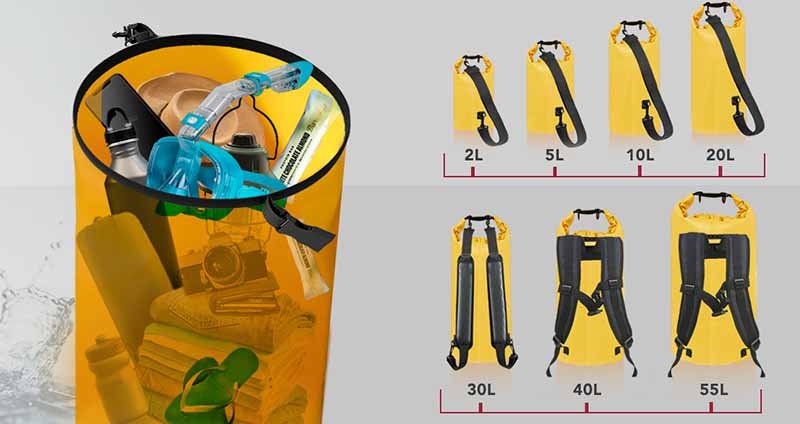
Small backpacks hold about 10 to 20 liters. Medium bags range from 20 to 35 liters. Large backpacks offer 35 liters or more. The higher the liter number, the more stuff you can carry.
How To Estimate Your Needs
Think about what you carry every day. Include your laptop, notebooks, lunch, and any extra items.
Measure your laptop and books if you want a precise fit. Add a few liters for smaller items like chargers and keys.
For a light load, choose 15 to 20 liters. For more gear, 25 to 30 liters works well. Carrying bulky items? Consider backpacks with 35 liters or more.
Credit: picassogalleryeg.com
Backpack Dimensions And Comfort
Choosing the right backpack size matters for both space and comfort. The backpack dimensions affect how it fits your body and how easy it is to carry all day. A backpack that is too big or too small can cause discomfort and strain. Understanding the right size helps you stay comfortable while carrying your work essentials.
Fit And Ergonomics
The backpack should fit snugly against your back. It should not hang too low or sit too high. A good fit keeps your weight balanced and reduces pressure on your shoulders. Ergonomic designs follow the natural curve of your spine. This support prevents back pain and improves posture. Choose a backpack that matches your torso length for the best fit.
Adjustable Straps And Padding
Straps help adjust the backpack to your body size. Look for shoulder straps that you can lengthen or shorten easily. Padding on the straps adds comfort by reducing pressure on your shoulders. A padded back panel cushions your spine and helps with airflow. Waist and chest straps can add stability, spreading the load evenly. Proper padding and adjustments make carrying heavy items easier.
Special Features Affecting Size
Choosing the right size for a work backpack depends on special features that affect its capacity. These features help organize your items and protect important gear. They also add bulk and change the backpack’s shape. Understanding these details helps pick a bag that fits your daily needs.
Laptop Compartments
Laptop compartments are common in work backpacks. They add padding to protect your device. This padding increases the bag’s thickness. The size of the laptop also matters. Bigger laptops need bigger compartments. This means a larger backpack overall. Some compartments have extra pockets for chargers and accessories. This adds more space and weight.
Organizational Pockets
Organizational pockets keep small items neat and easy to find. Pens, notebooks, and cables fit well in these sections. More pockets mean more space inside the bag. These pockets can be flat or bulky, depending on design. A backpack with many pockets often looks bigger. But it can help keep everything in place. Choose pockets that match the items you carry daily.
Expandable Sections
Expandable sections let you increase backpack size when needed. These usually use zippers or snaps to open extra space. They are useful for carrying extra documents or lunch boxes. When not in use, the bag stays slim and easy to carry. This feature adds flexibility without making the backpack too large all the time. Expandable sections add depth and width to the bag.
Professional Use Cases
Choosing the right size for a work backpack depends on how you use it professionally. Different jobs need different backpack sizes and features. A backpack that fits well helps carry all essentials without being too bulky or too small. The work style also shapes the choice. Here are common professional use cases to consider.
Corporate Professionals
Corporate workers often carry laptops, documents, and small gadgets. A backpack around 15 to 20 liters usually fits these needs. It should have padded compartments for laptops and organized spaces for chargers and files. Slim designs help keep a neat, professional look. Comfort is key, especially for those who carry their bags all day.
Creative And Field Workers
Creatives like designers, photographers, and field workers need larger backpacks. Around 20 to 30 liters gives room for cameras, tools, and art supplies. Multiple compartments help separate items and protect delicate equipment. Durability matters here because of outdoor use. Adjustable straps and extra padding improve comfort during long hours.
Commuters And Travelers
Commuters and travelers require backpacks that balance size and convenience. A 15 to 25-liter backpack fits daily essentials and personal items. Easy access pockets speed up travel through crowds and stations. Lightweight materials reduce strain during long walks. Security features, like hidden zippers, protect belongings on busy routes.
Balancing Size With Style
Choosing a work backpack means finding the right balance between size and style. The bag must hold all essentials without looking bulky or heavy. A sleek design makes a professional impression while staying practical. This balance helps you carry your items comfortably and look sharp at work.
Consider how the backpack fits your daily needs. Too large can seem clumsy. Too small may not hold important items like laptops or documents. Style and size should work together to meet your job demands and personal taste.
Sleek Designs For Professionals
Sleek backpacks fit close to the body and have clean lines. They avoid extra pockets or straps that add bulk. Minimal designs use simple shapes and neutral colors. These bags look neat and match most work outfits.
Many professional backpacks hide compartments inside to keep the outside smooth. This keeps your look tidy while still offering good storage. Slim backpacks often use padded sections for laptops and tablets.
Material Choices And Durability
Strong materials help backpacks last longer and protect your items. Common materials include nylon, polyester, and leather. Nylon and polyester are light and water-resistant. Leather adds a classic, stylish look but can be heavier.
Choose a material that matches your work environment and style. Durable fabrics resist tears and stains. Well-made zippers and stitching improve the bag’s lifespan. A good backpack balances tough materials with a polished appearance.
Credit: szoneier.com
Tips For Testing Backpack Size
Choosing the right size for a work backpack is important. It affects how comfortable and practical your bag feels every day. Testing the size before buying helps you avoid problems later. You get to see if the backpack fits your needs and body well. Use these tips to check the size and comfort of a backpack.
Packing Trial Runs
Fill the backpack with items you carry daily. Include your laptop, notebooks, lunch box, and chargers. Check if everything fits without forcing the zipper. Try packing heavier and lighter loads to see the difference. This helps you know if the backpack size matches your usual carry.
Also, try opening and closing the backpack after packing. Make sure it is easy to access your things. A backpack that is too large may feel bulky. Too small, and you might leave things behind.
Weight Distribution Checks
After packing, wear the backpack and stand up straight. Notice if the weight feels balanced on your back. The bag should not pull you backward or to one side. Adjust the shoulder straps and chest strap to fit snugly. Proper weight distribution reduces strain on your shoulders and back.
Walk around a bit to see if the backpack stays comfortable. If it shifts or slides, the size or fit may be off. Good backpacks keep weight close to your body. This test helps ensure your backpack supports your daily routine well.
Frequently Asked Questions
What Is The Ideal Size For A Work Backpack?
The ideal work backpack size ranges from 15 to 25 liters. It fits laptops, documents, and essentials without bulkiness. Choose based on your daily carry needs and comfort.
How To Choose Backpack Size For A Laptop?
Select a backpack that fits your laptop snugly with extra padding. Ensure it has a dedicated laptop compartment for protection and easy access.
Should Work Backpacks Be Large Or Compact?
Compact backpacks offer portability and style, ideal for light carry. Larger backpacks suit those who carry multiple gadgets or documents daily.
How Much Space Do I Need For Work Essentials?
Estimate space for your laptop, charger, notebooks, and personal items. A 20-liter backpack usually accommodates these comfortably without overpacking.
Conclusion
Choosing the right size backpack makes daily work easier. A bag too big feels heavy and bulky. Too small, and it won’t hold your essentials. Think about what you carry every day. Books, laptop, lunch, or tools? Match the bag size to your needs.
Comfort matters. You want to move freely without strain. Remember, a well-sized backpack helps keep you organized. It also protects your belongings. Keep these points in mind for your next backpack purchase. Simple choices lead to better workdays.