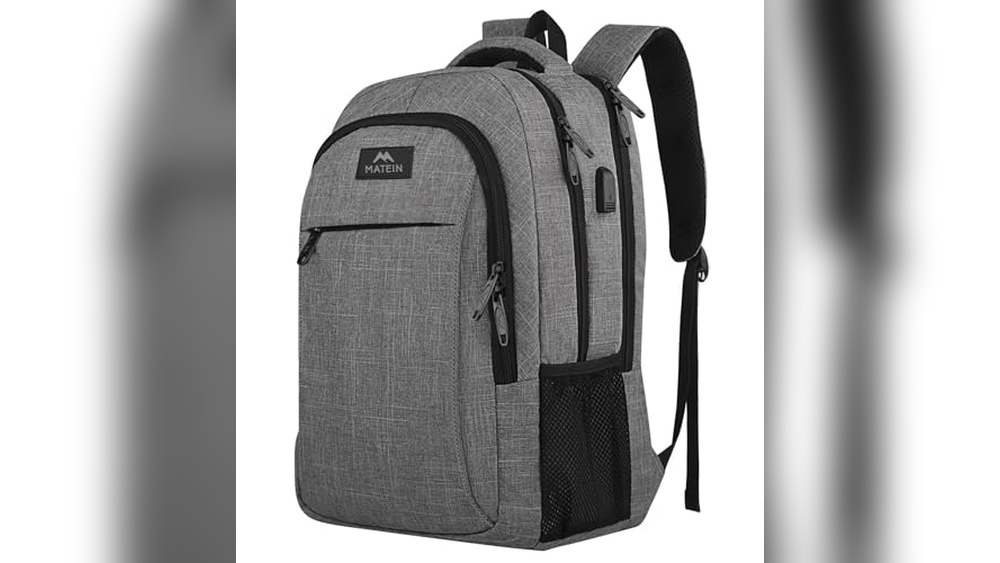
Packing a backpacking backpack might seem simple, but doing it the right way can make all the difference on your trip. If your gear is heavy or unbalanced, it can tire you out faster and make your adventure less enjoyable.
You want to carry everything you need without feeling weighed down or uncomfortable. In this guide, you’ll learn exactly how to pack your backpack so it feels light, stays stable, and helps you move with ease. Keep reading, and you’ll discover tips that can turn your next hike into a smooth, pain-free experience.
Choosing The Right Backpack
Choosing the right backpack is the first step for a successful backpacking trip. The right pack holds all your gear comfortably. It fits your body well and suits your trip length. Picking the right size, fit, and weight helps avoid pain and injury.
Size And Capacity
Pick a backpack size based on your trip length and gear. Small packs hold 20-40 liters, good for day trips. Medium packs hold 40-60 liters, best for weekend trips. Large packs over 60 liters fit longer trips or heavy gear. Avoid a bag too big or too small. Too small means leaving things behind. Too big means carrying extra weight.
Fit And Adjustability
A backpack must fit your torso length and waist size. Many packs come in different sizes or have adjustable straps. The hip belt should sit on your hips, not your waist. Adjust shoulder straps to keep the load close to your back. Check for padded straps and a ventilated back panel. These features add comfort and reduce sweating.
Weight Considerations
Choose a lightweight backpack to reduce strain. Heavy backpacks cause fatigue and back pain. Look for packs made from durable but light materials. Remember, the pack weight adds to your total load. A lighter pack lets you carry more gear or food. Balance weight with durability to last on tough trails.
Packing Essentials First
Packing essentials first sets the foundation for a comfortable backpacking trip. It helps keep your backpack organized and easy to carry. Proper packing prevents back pain and improves balance. Start with the most important items and arrange them thoughtfully. This approach saves time and reduces stress during your adventure.
Heavy Items Placement
Place heavy items close to your back. This keeps your center of gravity stable. Avoid putting heavy gear at the bottom or far from your spine. Good placement reduces strain and makes walking easier. Examples include water bottles, cooking gear, and food supplies.
Frequently Used Gear
Keep frequently used gear in easy-to-reach spots. This includes your map, snacks, rain jacket, and first aid kit. Use side pockets or the top compartment for these items. Quick access saves time and hassle during the hike. No need to unpack everything for small items.
Balanced Load Distribution
Balance weight evenly on both sides of your backpack. This prevents leaning or twisting while walking. Spread out similar weight items across compartments. Check your pack before hiking to ensure balance. A well-distributed load increases comfort and reduces fatigue.
Organizing Gear Efficiently
Organizing gear efficiently is key to a comfortable backpacking trip. Proper packing keeps weight balanced and gear easy to find. It also protects your belongings from damage.
Learn how to use compartments, compress gear, and protect fragile items. These steps save space and make your backpack lighter and safer.
Using Compartments And Pockets
Use all compartments and pockets in your backpack. Separate items by type or use. Keep essentials like maps and snacks in outer pockets for quick access.
Place heavy items close to your back for better balance. Store clothes and lighter items in larger compartments. This way, your backpack feels more stable.
Compression Techniques
Use compression straps to reduce the size of your packed gear. Compress clothes by rolling them tightly before packing. This saves space and keeps items secure.
Pack bulky items first, then use compression to tighten the load. Avoid loose gear that shifts and causes discomfort. Compression keeps everything compact and steady.
Protecting Fragile Items
Wrap fragile items in soft clothing or bubble wrap. Place them in the center of your backpack, surrounded by soft gear. This cushioning prevents damage from bumps.
Keep electronics in padded cases or special compartments. Avoid placing heavy items on top of fragile gear. Proper protection ensures your items stay safe during the trip.
Adjusting Straps For Comfort
Adjusting the straps on your backpack is key to comfort during your trip. Proper strap setup spreads the weight evenly. It reduces pressure points and stops pain. A well-adjusted pack keeps you balanced and steady.
Shoulder Straps Setup
Start with the shoulder straps. Tighten them so the pack rests close to your back. Not too tight, not too loose. The straps should hug your shoulders without digging in. Check that the pack does not pull backward.
Hip Belt Positioning
Place the hip belt around your hips, not your waist. The belt should sit on the top of your hip bones. Tighten it snugly to transfer most weight to your hips. This takes the load off your shoulders and back.
Load Lifters And Sternum Strap
Adjust the load lifters at the top of the shoulder straps. They pull the pack closer to your body. This improves balance and reduces shoulder strain. Fasten the sternum strap across your chest. It keeps the shoulder straps from slipping outward.
Maintaining Proper Posture
Maintaining proper posture is key for a comfortable backpacking trip. Good posture reduces strain on your back and shoulders. It helps you carry your backpack with less pain and fatigue. Staying mindful of your posture protects your body over long hikes.
Back Alignment Tips
Keep your back straight but relaxed. Avoid leaning too far forward or backward. Adjust your backpack straps to bring the load close to your body. Distribute weight evenly on both shoulders. Use the hip belt to move weight to your hips, not just your shoulders.
Walking Techniques
Take smooth, steady steps. Keep your head up and look ahead. Swing your arms naturally to balance your movement. Walk at a pace that feels comfortable, not too fast. Avoid stiff or jerky motions that strain your muscles.
Rest Breaks And Stretching
Stop regularly to rest your muscles. Find a flat spot and remove your backpack. Stretch your back, shoulders, and legs gently. Simple stretches help relieve tension and prevent cramps. Short breaks improve your energy and posture for the next stretch.
Additional Comfort Tips
Adding extra comfort to your backpack makes a big difference on the trail. Small changes help prevent pain and strain. Try these tips to enjoy your hike more and keep your body happy.
Using Padding And Inserts
Padded straps reduce pressure on your shoulders. Look for thick, soft padding that spreads weight evenly. Use foam inserts to fill empty spaces inside your pack. This stops gear from shifting and rubbing against your back. A well-padded pack fits closer and feels lighter.
Weather Protection
Keep your backpack dry in rain or snow. Use a rain cover or waterproof bag liners. Wet gear adds weight and causes discomfort. Protect your back from cold wind by adding an extra layer between you and the pack. Staying dry and warm makes every step easier.
Regular Gear Checks
Stop and adjust your pack often. Tighten straps if the pack moves too much. Loosen them if they dig into your skin. Check that heavy items stay low and close to your back. Repacking your bag can prevent soreness and keep you balanced.
Frequently Asked Questions
What Essentials Should I Pack In A Backpacking Backpack?
Pack lightweight, multipurpose items like clothes, food, water, and a first aid kit. Prioritize essentials for safety and comfort. Avoid overpacking by choosing versatile gear and limiting extras.
How Do I Distribute Weight In A Backpacking Backpack?
Place heavy items close to your back and centered. Keep lighter items toward the top and outside. This balance improves comfort and reduces strain during hiking.
How Can I Protect My Backpack Contents From Rain?
Use a waterproof backpack cover or pack items in dry bags. Seal zippers tightly and avoid placing electronics in easily soaked areas. This keeps your gear dry and safe.
What Is The Best Way To Organize A Backpacking Backpack?
Use packing cubes or stuff sacks to separate gear types. Keep frequently used items accessible. Organize by weight and purpose to enhance convenience and efficiency on the trail.
Conclusion
Packing a backpack properly makes a big difference on your trip. It keeps your weight balanced and your body comfortable. Always place heavy items close to your back and near the middle. Use straps to secure the load and prevent shifting.
Take time to adjust the fit before you start walking. A well-packed backpack helps you enjoy your adventure more. Practice these steps and feel the difference on every hike. Happy backpacking!