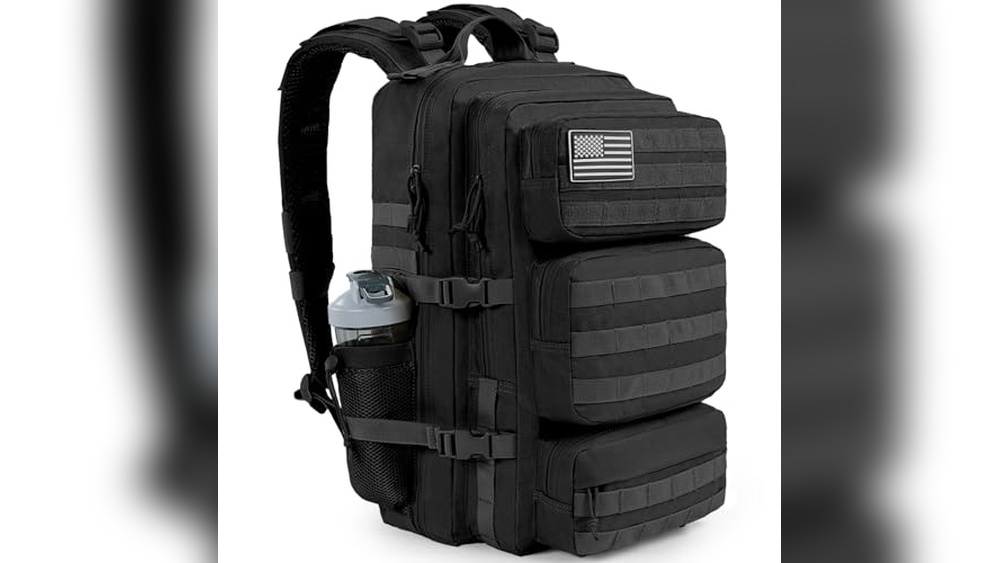
Choosing the right backpack size can make all the difference in your comfort and convenience. But how many liters do you really need?
Picking a backpack that’s too small means leaving important stuff behind. Too big, and you end up carrying extra weight that slows you down. You’ll discover exactly how to find the perfect size for your needs—whether you’re heading out for a day trip, a weekend getaway, or a longer adventure.
Keep reading to avoid common mistakes and make your next outing easier and more enjoyable.
Backpack Sizes Explained
Choosing the right backpack size is key for comfort and convenience. Backpack sizes vary by volume, measured in liters. This volume shows how much space the backpack offers. Understanding backpack sizes helps pick the perfect pack for your needs.
Backpacks come in different sizes, each made for different uses. Knowing these sizes makes packing easier and your travel smoother. Let’s explore the common backpack volumes and what they mean.
Common Volume Ranges
Backpacks usually range from 10 liters to over 70 liters. Smaller packs hold less gear and weigh less. Larger packs offer more space but can be heavy. The right size depends on how much stuff you carry and how long your trip is.
Small, Medium, And Large Packs
Small backpacks are under 20 liters. They fit daily essentials like a water bottle, snacks, and a light jacket. Medium backpacks hold 20 to 40 liters. These are good for day trips or short overnight stays. Large backpacks start at 40 liters and go up. They work well for multi-day trips or when carrying heavy gear.
Choosing Size By Trip Length
Choosing the right backpack size depends on how long your trip will be. The length of your trip helps decide how many liters your backpack should hold. Packing too much or too little can cause trouble on the trail or road. This guide helps pick the perfect size for different trip lengths.
Day Trips And Short Excursions
For day trips, a small backpack works best. A 10 to 20-liter pack fits essentials like water, snacks, and a light jacket. It keeps your load light and easy to carry. Short excursions need only a few items, so a compact pack is enough.
Weekend Adventures
Weekend trips need more space for clothes and gear. A 30 to 40-liter backpack suits these trips well. It holds extra layers, food, and some camping gear. This size balances capacity and comfort for two or three days away.
Extended Travel And Multi-day Hikes
Longer trips require larger backpacks. Choose 50 liters or more for multi-day hikes. This size fits sleeping bags, tents, and enough food. It also leaves room for extra clothes and safety gear. Packing smart saves space and weight.
Activity-based Size Selection
Choosing the right backpack size depends on the activity you plan to do. Different activities need different amounts of space. Picking a backpack that fits your activity helps you carry what you need without extra weight. This section explains the best backpack size for hiking, travel, and camping.
Hiking And Trekking
For day hikes, a 15 to 30-liter backpack works well. It holds water, snacks, and a light jacket. Longer treks need bigger bags, around 40 to 60 liters. This size fits extra clothes, food, and camping gear. Hiking backpacks have features like hip belts and chest straps. They help carry heavy loads comfortably.
Travel And Commuting
Small backpacks of 10 to 20 liters suit daily commuting. They fit a laptop, books, and lunch. For weekend trips, choose 30 to 40 liters. This size holds clothes and essentials without being bulky. Travel backpacks often have organized compartments. These keep your items easy to find and secure.
Camping And Outdoor Sports
Camping needs larger backpacks, usually 50 liters or more. They carry tents, sleeping bags, and cooking tools. Outdoor sports like climbing or skiing may need specialized packs. These backpacks have extra straps and pockets for gear. A bigger backpack means more weight. Balance size with how far you will carry it.
Factors Influencing Capacity
Choosing the right backpack size depends on several key factors. These factors help you decide how much space you truly need. Understanding them makes packing easier and smarter. Consider your trip details and personal habits carefully.
Season And Weather Conditions
Season affects the clothes and gear you carry. Cold weather requires bulky jackets and warm layers. Summer trips need lighter clothes but may need rain gear. Rainy seasons call for waterproof bags and covers. Your backpack size should fit these extra items comfortably.
Gear And Equipment Needs
The type of gear changes your packing size. Hiking requires space for boots, tools, and food. Photography trips need room for cameras and accessories. Camping means packing a tent, sleeping bag, and stove. Knowing your gear helps pick the right backpack capacity.
Personal Packing Style
Some pack light; others like extra items for safety. Minimalists use compact, multi-purpose gear. Others carry backups and comfort items, needing more space. Your packing habits impact the size and weight of your bag. Choose a capacity that fits your style without overpacking.
Measuring Your Pack Volume
Choosing the right backpack size starts with knowing how to measure its volume. This helps you pick a pack that fits your needs without being too big or too small.
Understanding volume lets you plan better for trips, school, or daily use. It also saves space and weight, making your load easier to carry.
Understanding Liters And Cubic Inches
Backpack size is shown in liters or cubic inches. Liters measure how much space is inside the pack. Cubic inches do the same but use different units.
One liter equals about 61 cubic inches. Most backpacks use liters as the standard size. Knowing this helps compare different packs easily.
Volume tells you how many items or how much gear fits inside. Bigger numbers mean more space, smaller means less.
How To Calculate Your Required Size
Think about what you will carry in your backpack. Clothes, books, gear, or food all take space.
List the items and guess their volume. Add up the space needed for each item.
Use a measuring tape to check your current bags or items. Length × width × height gives volume in cubic inches.
Convert cubic inches to liters by dividing by 61. This number shows the minimum backpack size you need.
Leave extra space for unexpected items or comfort. A pack slightly larger than your total is best.
Tips For Packing Efficiently
Packing efficiently makes your trip easier and more enjoyable. It helps you carry what you need without extra weight. Smart packing saves space and keeps your bag organized. Below are tips to pack well and use your backpack’s space wisely.
Prioritizing Essentials
Choose items you truly need. Think about your trip length and weather. Pack clothes that match the climate. Include important gear like your wallet, phone, and documents. Leave behind things you can buy later or do without. Focus on items that serve multiple purposes.
Organizing Gear Smartly
Use packing cubes or small bags to sort items. Group similar things together like clothes, electronics, and toiletries. Place heavy items close to your back for balance. Keep frequently used items near the top. This saves time and prevents mess inside your bag.
Reducing Weight And Bulk
Pick lightweight and compact gear. Roll clothes instead of folding them to save space. Avoid packing duplicates. Use travel-sized bottles for liquids. Wear your heaviest shoes and jacket during travel. Cutting down weight makes carrying easier and more comfortable.
Adjustable And Expandable Backpacks
Adjustable and expandable backpacks offer flexibility for different needs. Their size changes based on what you carry. This makes them perfect for many activities. They help you pack light or heavy without buying multiple bags.
Benefits Of Versatile Packs
These backpacks adapt to various situations easily. They save space when not fully packed. You carry only what you need. Their design improves comfort by balancing the load. It reduces strain on your shoulders and back. You get more value from one bag. Great for travel, school, or work.
When To Choose Expandable Options
Pick expandable backpacks if your load changes often. Useful for trips with souvenirs or extra gear. Ideal for students with varying books and supplies. Also good for hikers adding layers or food. Choose them to avoid carrying multiple bags. They adjust to fit your daily needs.
Common Mistakes To Avoid
Choosing the right backpack size can be tricky. Many make mistakes that affect comfort and convenience. Avoiding common errors helps you pick the perfect liter backpack for your needs. Here are two frequent mistakes to watch out for.
Overpacking Issues
Carrying too much can cause pain and fatigue. A large backpack filled beyond capacity becomes heavy and hard to manage. Overpacking makes walking and moving uncomfortable. It also strains your back and shoulders.
Too much stuff means you carry unnecessary weight. This wastes energy and can ruin your trip. Pick only what you need to avoid this problem.
Underestimating Space Needs
Choosing a backpack that is too small limits what you can bring. You may leave important items behind. This causes frustration and stress later on.
Small backpacks can force you to squeeze belongings tightly. This can damage items and make packing harder. Always think about what you really need to carry. Match the backpack size to your trip length and gear.
Frequently Asked Questions
What Size Backpack Is Best For Day Trips?
A 15 to 30-liter backpack is ideal for day trips. It holds essentials like water, snacks, and a light jacket without being bulky.
How Many Liters For A Weekend Backpack?
A 30 to 50-liter backpack suits weekend trips. It provides enough space for clothes, toiletries, and small gear comfortably.
Which Backpack Size Fits Carry-on Luggage Rules?
Most airlines allow backpacks up to 40 liters as carry-on. Check specific airline rules for exact size limits to avoid issues.
What Liter Backpack Is Good For Hiking?
For hiking, choose a 40 to 60-liter backpack. It offers enough room for gear, food, and extra layers without excess weight.
Conclusion
Choosing the right backpack size makes your trip easier. Think about how long you will travel. Pack only what you really need. A smaller backpack keeps you light and fast. A bigger one helps if you carry more gear. Always check your trip’s needs before buying.
Comfort matters more than size alone. A good fit helps avoid pain and strain. Now, you know how many liters your backpack should hold. Ready to pack smart and enjoy your journey?