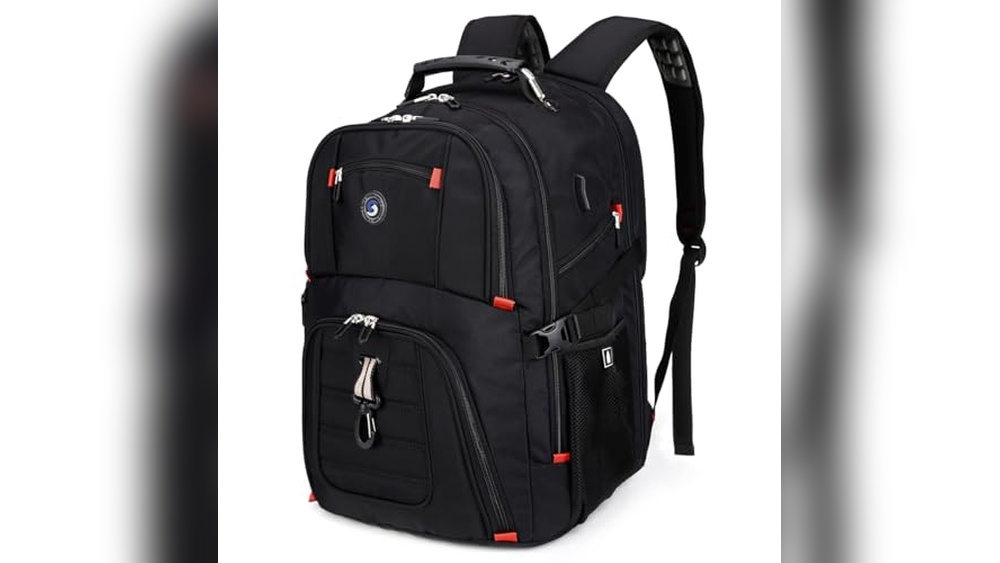
When you’re choosing a backpack, one big question pops up: how many liters make a backpack truly large? You want enough space for all your gear, but not so much that it becomes bulky and hard to carry.
Finding the perfect size can change how comfortable and organized your trips are. You’ll discover exactly what liters mean in backpack sizes and how to pick the right large backpack that fits your needs perfectly. Keep reading to make sure your next backpack is just right for you.
Backpack Sizes Explained
Backpack sizes can be confusing. The size depends on how much space you need. It matters for hiking, school, or travel. Knowing the right size helps you carry what you need. It also keeps your back comfortable.
Backpacks come in many sizes. These sizes are measured in liters. A liter tells you the volume inside the bag. This means how much stuff the backpack can hold.
Common Backpack Capacities
Small backpacks usually hold 10 to 20 liters. They fit a few items like books or snacks. Medium backpacks range from 20 to 35 liters. These work for day trips or school. Large backpacks start at 35 liters and go up. They fit clothes, gear, and more stuff for longer trips.
Small Vs Medium Vs Large
Small backpacks are light and easy to carry. They are best for short trips or light loads. Medium backpacks balance size and space well. They suit daily use and short hikes. Large backpacks carry more weight and volume. They are ideal for camping or travel with many items.
What Makes A Backpack Large
A large backpack offers more space than a regular daypack. It is designed for longer trips or carrying heavier loads. The size of a backpack is mainly measured in liters. This volume shows how much the backpack can hold inside.
Understanding what makes a backpack large helps you pick the right size for your needs. Large backpacks suit camping, hiking, or travel. They have more room and special features to carry gear comfortably.
Typical Liter Range
Large backpacks usually range from 50 to 80 liters. Some can be even bigger, up to 100 liters. Backpacks under 30 liters are small or medium size. Around 40 liters is common for day hikes. Large packs offer more space for longer trips.
Features Of Large Backpacks
Large backpacks have wide, padded straps for comfort. They often include multiple compartments and pockets. Many feature adjustable hip belts to spread the weight. Some come with external loops to attach gear. Ventilation systems keep your back cool during use. These features make carrying heavy loads easier.
Choosing Based On Trip Length
Choosing a backpack size depends largely on the length of your trip. The right capacity helps carry just enough without extra weight. A backpack too small limits your gear. Too large adds unnecessary bulk. Understanding how many liters you need can make packing easier and more comfortable.
Day Trips And City Use
Day trips need small backpacks. A 10 to 20-liter pack holds essentials like water, snacks, and a jacket. It stays light and easy to carry. Perfect for short walks or exploring cities. No need for extra space or heavy gear.
Weekend Getaways
Weekend trips require more space. Backpacks between 30 and 50 liters fit clothes, toiletries, and small extras. Enough room for a change of clothes and some gear. Still compact but ready for a couple of days away. Easy to manage on trains or buses.
Extended Adventures
Long trips need large backpacks. Those 50 liters or more hold camping gear, multiple outfits, and food. Suitable for hiking, backpacking, or multi-day travel. Larger backpacks spread weight well, making long carries easier. Pack smart to avoid carrying too much.
Activity-specific Backpack Sizes
Backpack sizes vary depending on the activity you plan to use them for. Each activity needs a different amount of space for gear and supplies. Choosing the right size helps you carry only what you need.
Hiking And Camping
For hiking and camping, backpacks usually range from 40 to 70 liters. Large backpacks start at around 50 liters. This size fits extra clothes, food, and camping gear. Longer trips need bigger backpacks to carry tents and sleeping bags.
Travel And Commuting
Travel backpacks vary from 30 to 60 liters. Large travel backpacks are about 45 liters or more. They hold clothes, gadgets, and travel essentials. Commuting bags are smaller, usually under 30 liters, for laptops and daily items.
School And Work
School and work backpacks are smaller. Large backpacks here are around 25 to 35 liters. They fit books, laptops, and personal items. Bigger sizes may feel heavy or bulky for daily use.
Benefits Of Large Backpacks
Large backpacks offer many advantages for travelers, students, and outdoor lovers. They provide enough space for all essentials. Carrying more items becomes easy and stress-free.
These backpacks also support your body well. They help reduce strain on your back and shoulders. This makes long trips much more comfortable.
Storage Capacity
Large backpacks usually hold 40 liters or more. This size fits clothes, gadgets, and food for several days. It is perfect for hiking trips or long travels. You do not have to leave important items behind. Everything fits comfortably inside.
Comfort And Support
Many large backpacks have padded straps and back panels. These features ease the weight on your body. Adjustable straps help fit the backpack well. This prevents pain and discomfort during long use. Good support keeps your posture correct.
Organization Options
Large backpacks come with many pockets and compartments. These help keep items neat and easy to find. Separate sections protect electronics and fragile goods. Small pockets hold keys, chargers, and snacks. Staying organized saves time and reduces frustration.
Drawbacks Of Large Backpacks
Large backpacks offer space and convenience but come with some drawbacks. These bags can affect comfort and movement. They may also lead to poor packing habits. Understanding these issues helps you decide if a large backpack suits your needs.
Weight And Bulk
Large backpacks often feel heavy even when empty. Carrying extra weight strains your back and shoulders. Bulky bags can tire you quickly. This heaviness reduces the joy of hiking or traveling.
Mobility Challenges
Big backpacks limit your movement in tight spaces. They can get caught on branches or doorways. Walking through crowded areas becomes harder. Large packs reduce your balance and agility.
Overpacking Risks
Large backpacks invite overpacking. Filling every inch leads to carrying unnecessary items. Overpacking adds to the weight and bulk. It makes finding essentials more difficult. This habit wastes energy and space.
How To Measure Backpack Volume
Knowing the volume of a backpack helps decide if it is large enough for your needs. Measuring backpack volume is simple. You can use the information from the maker or do it yourself at home. Both ways give a good idea of the size.
Using Manufacturer Specs
Most backpack makers list volume in liters. This number shows how much space the bag holds. Check the product tag or online description. It often states the exact liter size.
This method is quick and easy. The volume number is tested by the maker. It helps you compare different backpacks fast.
Diy Measurement Tips
Fill the empty backpack with small items like rice or beans. Then pour them into a measuring container. This shows the real volume inside the bag.
Another way is to measure the bag’s length, width, and depth. Multiply these numbers to get cubic centimeters. Divide by 1000 to convert to liters.
This method works well for backpacks without volume info. It gives a close estimate of the size.
Popular Large Backpack Models
Large backpacks usually start at 50 liters in size. They offer plenty of space for long trips or carrying heavy gear. Choosing the right model depends on your activity and how much you need to carry.
Many brands make large backpacks designed for hiking and travel. These packs balance comfort, durability, and storage. Here are some popular models that fit the large backpack category well.
Top Picks For Hiking
Hiking backpacks over 50 liters hold all essentials for multi-day treks. The Osprey Atmos AG 65 offers excellent ventilation and support. Its adjustable harness fits different body shapes well. The Deuter Aircontact 65+10 is known for durability and comfort on tough trails. It has extra space for gear with an extendable collar. Gregory Baltoro 65 provides great load distribution and many pockets for organization. These packs meet the needs of serious hikers carrying heavy loads.
Best Travel Backpacks
Travel backpacks with 50 liters or more store clothes, gadgets, and travel gear. The Nomatic Navigator 55L is popular for its sleek design and multiple compartments. It fits carry-on size limits for most airlines. The Tortuga Outbreaker 45-55L expands to fit extra items and has lockable zippers. The Patagonia Black Hole 55L is weather-resistant and strong, ideal for adventure travel. These backpacks help travelers stay organized and comfortable on the go.
Frequently Asked Questions
What Capacity Defines A Large Backpack In Liters?
A backpack with a capacity of 40 liters or more is considered large. It offers ample space for extended trips or heavy loads.
Are 30 Liters Backpacks Considered Large Or Medium?
Backpacks around 30 liters are typically medium-sized. They suit day trips and light packing needs, not classified as large.
Why Choose A Large Backpack Over Smaller Ones?
Large backpacks accommodate more gear and clothing. They provide flexibility for multi-day trips and outdoor adventures requiring extra storage.
How Does Backpack Size Affect Comfort And Usability?
Larger backpacks may feel heavier and bulkier. Proper fit and weight distribution are essential for comfort during long use.
Conclusion
A large backpack usually holds between 50 and 70 liters. This size fits long trips and heavy loads well. It offers enough space without feeling too bulky. Choosing the right size depends on your trip length and gear. Remember to think about comfort and weight too.
A large backpack helps carry what you need. But don’t pick one too big or too small. Find the balance that suits your journey best.