Planning a backpacking trip to Sikkim can feel overwhelming, but it doesn’t have to be. Imagine yourself surrounded by towering mountains, lush valleys, and vibrant culture—Sikkim offers all this and more.
But how do you make sure your trip is smooth, exciting, and unforgettable? This guide will walk you through every step, from packing smart to finding hidden gems. Ready to turn your dream adventure into reality? Keep reading, and discover how to plan your perfect backpacking trip to Sikkim.
Choosing The Best Time To Visit
Choosing the best time to visit Sikkim is key for a great backpacking trip. Weather and local events shape your experience. Sikkim has different climates and celebrations through the year. Picking the right season helps you enjoy nature and culture fully.
Seasonal Weather Patterns
Sikkim has three main seasons: spring, summer, and winter. Spring lasts from March to June. The weather is warm and flowers bloom everywhere. Summer comes with mild rains from July to September. It is cooler but can be wet. Winter runs from October to February. It is cold and dry, with clear skies and snow on the mountains. Travelers prefer spring and autumn for hiking and sightseeing. Rainy season is less popular because of slippery trails. Always check weather updates before your trip.
Festivals And Events
Sikkim is full of colorful festivals. These happen all year, reflecting local culture and religion. Losar, the Tibetan New Year, is in February or March. It brings dancing and prayers. The Bumchu festival in March draws many visitors. It involves rituals at monasteries. The Dasain festival in October is a big Hindu celebration. These events offer a chance to see local traditions up close. Planning your visit around festivals adds joy and meaning to your trip.
Preparing Your Travel Documents
Preparing your travel documents is a key step before backpacking in Sikkim. You must have the right permits and IDs. These documents allow you to explore Sikkim smoothly without any legal troubles. Knowing what to carry saves time and stress during your journey.
Inner Line Permit Requirements
Sikkim requires an Inner Line Permit (ILP) for all visitors except Indian nationals from nearby states. The ILP is a special travel pass. It helps protect the region’s culture and environment. You can get the ILP online or at certain entry points.
The permit usually lasts for 15 days. You must apply before entering Sikkim. Carry a printed copy of your ILP at all times. Some remote areas need additional permits. Check local rules before traveling to those spots.
Id And Visa Essentials
All visitors must carry a valid photo ID. Indian nationals can use Aadhar card, voter ID, or passport. Foreign tourists must have a valid passport and visa. The visa should allow multiple entries into India.
Keep your ID and visa handy during travel. Authorities may ask for them at checkpoints. Always have photocopies of your documents too. This helps if you lose the originals. Proper identification ensures smooth access to Sikkim’s beauty.
Packing Essentials For Sikkim
Packing for a backpacking trip to Sikkim needs careful thought. The region’s weather changes fast. You must be ready for cold nights and sunny days. Smart packing saves space and weight. It helps you stay safe and comfortable.
Focus on essentials that cover weather, health, and safety. Choose items that are light and useful. Avoid overpacking to keep your backpack easy to carry. Here are the key items to bring.
Clothing And Gear
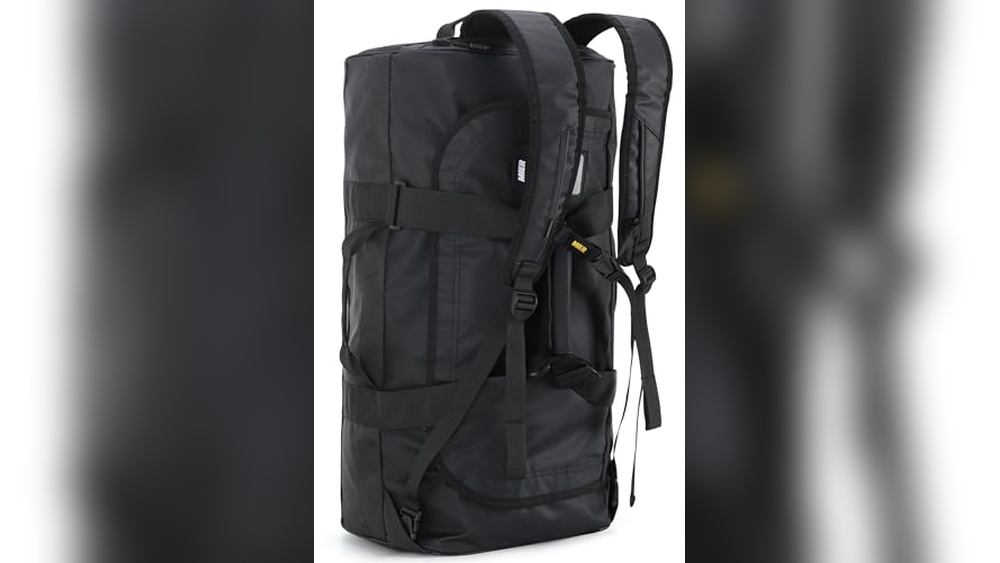
Layered clothing works best in Sikkim’s climate. Pack thermal innerwear for cold mornings. Include lightweight shirts and fleece jackets for daytime. Waterproof jackets protect from rain and wind. Carry comfortable hiking boots with good grip. Don’t forget woolen socks and a warm hat. Sunglasses and sunscreen are must-haves. A sturdy backpack with rain cover is essential. Bring a water bottle and quick-dry towels too.
Health And Safety Items
Carry a basic first aid kit with bandages and antiseptic cream. Include medicines for altitude sickness and stomach upset. Pack insect repellent to avoid bug bites. Bring hand sanitizer and face masks. Keep a flashlight or headlamp with extra batteries. A whistle helps in emergencies. Also, carry any personal medications you need. Stay prepared for minor injuries and health issues.
Mapping Out Your Itinerary
Planning a backpacking trip to Sikkim starts with a clear itinerary. A good plan helps you cover key spots and enjoy your time fully. It also keeps your travel smooth and stress-free.
Mapping out your route lets you balance adventure and rest. It helps you fit in top destinations and decide how long to stay at each place. This way, you make the most of your trip.
Top Destinations To Explore
Sikkim offers many stunning places. Start with Gangtok, the lively capital. Visit Rumtek Monastery for peace and culture. Tsongmo Lake shows beautiful blue waters surrounded by mountains. Pelling offers great views of the Himalayas. Don’t miss Yumthang Valley, known as the Valley of Flowers. Nathula Pass connects India and Tibet with a historic road. Each spot gives a unique experience and great photo chances.
Suggested Trip Durations
Trip length depends on your interests and pace. A 5-day trip covers main highlights like Gangtok, Pelling, and Tsongmo Lake. For deeper exploration, 7 to 10 days works well. This lets you include Yumthang Valley and Nathula Pass without rush. If you enjoy trekking, add extra days for trails like Dzongri or Goecha La. Always plan extra time for rest and travel delays. A balanced schedule keeps the trip fun and safe.
Budgeting Your Backpacking Trip
Planning a backpacking trip to Sikkim means managing your money well. Knowing the costs helps you enjoy the trip without stress. Budgeting covers where you stay, what you eat, and how you travel. These are the main expenses on your journey. Careful planning lets you stretch your budget and see more of Sikkim.
Accommodation Options
Sikkim offers many places to stay for all budgets. Hostels and guesthouses are cheap and friendly. Dorm rooms cost less and help you meet other travelers. Budget hotels give private rooms at low prices. Booking in advance saves money during busy seasons. Some homestays include meals, adding value to your stay. Camping is an option for adventurers and cuts costs. Choose a place close to your sightseeing spots to save transport money.
Food And Transport Costs
Food in Sikkim is tasty and affordable. Street food and small local restaurants offer meals under a few dollars. Trying local dishes is part of the experience and budget-friendly. Avoid eating in touristy areas to save more. Public transport like buses and shared taxis are cheap ways to travel. Renting a scooter can be cost-effective for exploring nearby areas. Long-distance travel by bus or shared jeep fits most budgets. Planning your route reduces unnecessary trips and expenses.
Getting Around Sikkim
Getting around Sikkim can be an adventure on its own. The roads wind through mountains and offer stunning views. Travel options vary from public buses to hiring local guides. Each choice suits different needs and budgets. Understanding these options helps plan a smooth trip.
Public Transport Choices
Public buses connect major towns like Gangtok, Pelling, and Namchi. They are affordable and run regularly. Buses may not always be very comfortable, but they provide a true local experience. Shared jeeps are another option. They fill up quickly and leave when full. These jeeps cover places where buses do not go. Planning your route ahead saves time and stress.
Hiring Local Guides
Local guides offer valuable help for exploring remote areas. They know hidden trails, culture, and history well. Guides can arrange transport and accommodation. They also ensure safety on difficult paths. Hiring a guide supports the local economy. It makes your trip more meaningful and easy. Speak with locals or guesthouses to find trusted guides.
Staying Connected And Safe
Staying connected and safe is crucial during a backpacking trip to Sikkim. The region’s remote areas may have limited access to communication. Being prepared helps you stay in touch with family and get help if needed. Safety measures reduce risks and make your trip more enjoyable.
Mobile And Internet Access
Mobile network coverage in Sikkim varies by location. Towns and cities have good signal, but remote places might not. Major providers like Airtel and Jio work well in urban areas. Carry a power bank to keep your phone charged all day. Internet speeds can be slow or unstable outside main towns. Download offline maps and important information before traveling. This helps when you lose signal or data access.
Emergency Contacts And Precautions
Save local emergency numbers on your phone. Police, medical services, and tourism helplines are essential. Share your trip plan with a trusted person at home. Check weather reports regularly to avoid sudden hazards. Avoid traveling alone in isolated areas. Carry a first aid kit with basic medicines. Dress appropriately for changing weather and terrain. Stay alert and trust your instincts to stay safe.
Experiencing Local Culture
Experiencing the local culture in Sikkim enriches your backpacking trip deeply. It offers a chance to see life through local eyes. This experience creates lasting memories beyond the usual sightseeing.
Interacting With Locals
Talk to villagers in small towns and mountain villages. Locals often welcome visitors warmly. Simple greetings open doors to their daily lives. Listen to their stories and learn about their traditions. Observe their clothing, festivals, and rituals closely. These moments reveal the heart of Sikkim’s culture.
Trying Traditional Cuisine
Taste local dishes to understand the culture better. Try momos, thukpa, and gundruk soup. Street food stalls and family-run eateries serve authentic meals. Sikkimese food uses fresh, local ingredients. Each dish tells a story of the region’s history and climate. Eating traditional food connects you with the local way of life.
Adventure Activities In Sikkim
Sikkim offers many adventure activities for backpackers. The region’s natural beauty and terrain attract thrill seekers. From mountains to rivers, there is something for everyone. Adventure lovers find plenty of ways to explore and enjoy nature here.
These activities are perfect to add excitement to your trip. They also help you discover Sikkim’s unique culture and landscapes. Whether you like trekking or water sports, Sikkim will not disappoint.
Trekking Routes
Sikkim has some of the best trekking routes in India. Trails vary from easy walks to tough climbs. The Goecha La trek offers stunning views of Kanchenjunga. The Dzongri trek is popular for its scenic beauty. You can also try the Singalila Ridge trek near the border. These routes take you through forests, villages, and mountain passes. Each trek shows a different side of Sikkim’s nature and culture.
Water Sports And More
Rivers and lakes in Sikkim provide fun water sports. You can try river rafting in the Teesta River. Kayaking is also popular on calm water bodies. Lakes like Tsongmo and Gurudongmar offer boating options. Apart from water sports, rock climbing and mountain biking are available. These activities suit those who want a mix of adventure and nature. They also let you enjoy the peaceful surroundings while having fun.
Frequently Asked Questions
What Is The Best Time To Plan A Backpacking Trip To Sikkim?
The best time to visit Sikkim for backpacking is between March and June or September and December. These months offer pleasant weather and clear skies, ideal for trekking and sightseeing.
How To Get Permits For Backpacking In Sikkim?
Permits like ILP (Inner Line Permit) are mandatory for visiting Sikkim. You can obtain them online or at entry points after submitting valid ID and travel details.
What Essential Items Should I Pack For Sikkim Backpacking?
Pack warm clothes, sturdy trekking shoes, rain gear, and basic first-aid. Don’t forget sunscreen, a water bottle, and power banks for convenience during your trip.
Which Are The Must-visit Places During A Sikkim Backpacking Trip?
Must-visit spots include Gangtok, Yumthang Valley, Tsongmo Lake, and Pelling. These places offer breathtaking views, rich culture, and great trekking experiences.
Conclusion
Planning a backpacking trip to Sikkim takes time and care. Choose your route and pack light but smart. Check the weather and carry necessary permits. Stay safe by following local rules and respecting nature. Enjoy the beautiful mountains, friendly people, and unique culture.
Take moments to relax and breathe in the fresh air. This trip will give you memories to last a lifetime. Start planning today and get ready for an amazing adventure.