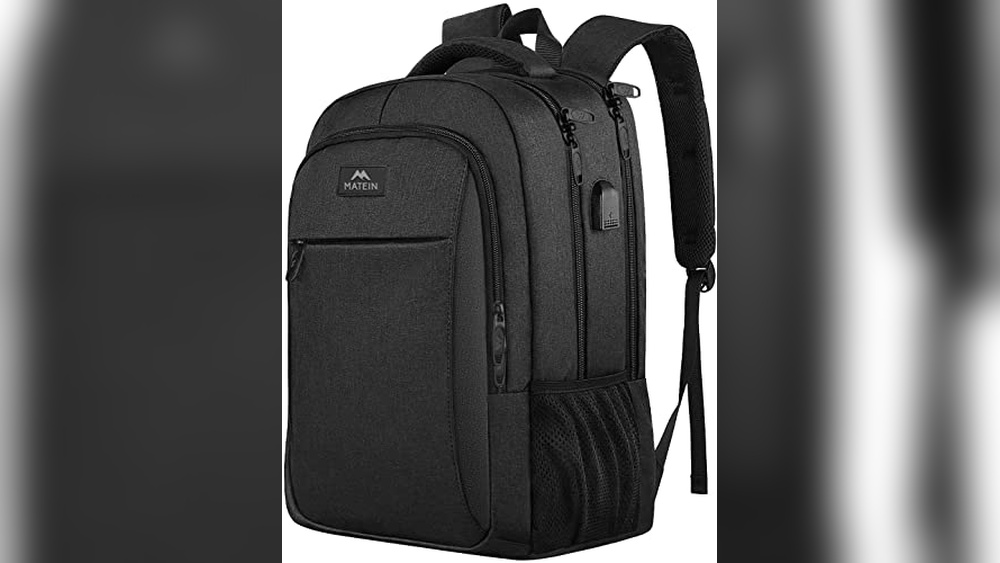
Choosing the right backpack for high school can feel overwhelming. You want something big enough to carry all your books and supplies, but not so bulky that it weighs you down.
How do you find that perfect balance? You’ll discover exactly how big your backpack should be to keep you comfortable and organized every day. Keep reading to make sure your backpack works for you—not against you.
Backpack Sizes Explained
Choosing the right backpack size is important for high school students. The size affects comfort and how much can fit inside. Backpacks come in small, medium, and large sizes. Each size fits different needs and body types.
Small Backpacks
Small backpacks are light and easy to carry. They usually hold about 10 to 15 liters. These are good for carrying a few books or notebooks. They suit students who carry less or have smaller frames. Small backpacks are also easier to manage during busy school days.
Medium Backpacks
Medium backpacks hold around 20 to 30 liters. They offer more space for books, lunch, and supplies. Most high school students find medium backpacks a good balance. They fit well on most body types. Medium size is popular because it meets daily school needs without being too heavy.
Large Backpacks
Large backpacks hold 35 liters or more. They fit many books, laptops, and sports gear. Large backpacks work well for students with heavy loads. The size can feel bulky for smaller students. Good padding and straps help carry large backpacks comfortably.
Factors Influencing Backpack Size
Choosing the right backpack size for high school depends on many factors. These factors help ensure the backpack fits daily needs. A backpack that is too small or too large can cause problems. The right size carries everything comfortably and keeps the student organized.
Think about what items need to fit inside. Each student’s needs are different. Some carry many books, while others need space for gadgets or sports gear. Understanding these details helps pick the perfect backpack size.
Number Of Books And Supplies
High school students often carry several textbooks. The number of books changes by grade and subjects. Notebooks and folders take extra space too. A backpack must hold all these items without being too heavy. Small backpacks may not fit many books. A medium or large size is better for heavy book loads.
Laptop And Device Storage
Many students use laptops or tablets for schoolwork. Backpacks with a padded laptop compartment protect devices. The size of the device affects backpack choice. Larger laptops need bigger compartments. Extra pockets for chargers and accessories also matter. A backpack that fits devices safely keeps them safe and easy to carry.
Extra Gear And Accessories
Some students carry sports clothes, art supplies, or lunch boxes. These items need extra space beyond books and devices. Side pockets and internal compartments help organize small items. A backpack with flexible storage options fits different needs. Think about what extras are needed daily or weekly. This helps find a backpack that holds everything comfortably.
Average Size Recommendations For High School
Choosing the right backpack size for high school is important. It affects comfort and how much you can carry. A backpack that is too big can be heavy and hard to manage. Too small, and it won’t hold all your books and supplies. This guide helps you find the best size for everyday use and specific activities.
Daily Use Backpacks
For daily school use, backpacks should hold between 20 and 30 liters. This size fits textbooks, notebooks, and a lunchbox comfortably. It keeps the backpack light enough to carry without strain. Look for models with padded straps to protect your shoulders. Organizers inside help keep supplies neat and easy to find.
Sports And Extracurricular Needs
Backpacks for sports or clubs need extra space. A capacity of 30 to 40 liters works well. This size fits sports gear, shoes, and uniforms along with school items. Choose backpacks with separate compartments to keep wet or dirty clothes separate. Durable materials help the bag last through active use.
Choosing The Right Fit
Choosing the right backpack size is important for high school students. A backpack that fits well helps avoid back pain and makes carrying books easier. The fit depends on the student’s body size and the backpack’s features. A good fit means comfort and better weight distribution.
Backpack Dimensions And Body Size
The backpack size should match the student’s height and body shape. A backpack too big can strain the back. Too small means not enough space for books and supplies. Measure from the shoulders to the lower back. The backpack height should not go below the waist. Width should not be wider than the shoulders. Depth matters to hold all needed items without bulging.
Adjustability And Comfort Features
Adjustable straps help customize the fit. Shoulder straps should be padded and wide. A chest strap can keep the backpack stable. A waist belt helps spread the weight evenly. Look for breathable back panels for better airflow. These features make the backpack more comfortable for long school days. Comfort reduces stress on muscles and joints.
Material And Durability Considerations
Choosing the right backpack size for high school involves more than just volume. Material and durability play a key role in how long the backpack lasts. A sturdy backpack protects books and gadgets from daily wear and tear. It also supports the heavy load of school supplies without breaking down.
Durable materials ensure the backpack handles rough use. Strong fabric and solid construction keep the bag intact through busy school days. The material must resist water, tears, and heavy weight. This helps students carry their belongings safely and comfortably.
Water Resistance
Water resistance is vital for protecting books and electronics. Backpacks made from water-resistant fabrics keep contents dry during rain. Look for materials like nylon or polyester with water-resistant coatings. These fabrics prevent water from soaking through quickly. Water resistance adds a layer of security for school supplies.
Reinforced Stitching
Strong stitching increases backpack durability. Reinforced seams stop the bag from ripping under pressure. Double or triple stitching at stress points is best. This includes areas like shoulder straps and zippers. Good stitching means the backpack holds heavy items without falling apart.
Weight Of The Backpack
Lightweight backpacks reduce strain on the shoulders. Heavy bags add unnecessary weight, causing discomfort. Choose a backpack with a balance between light materials and durability. A lighter bag makes carrying books easier all day. It also helps maintain good posture and reduces fatigue.
Popular Backpack Styles For High Schoolers
High school students choose backpacks not just for carrying books but also for style and comfort. Popular backpack styles suit different needs and preferences. Each type offers unique features to help with daily school life.
Traditional Backpacks
Traditional backpacks are the most common choice. They have two shoulder straps and multiple compartments. These bags hold books, laptops, and school supplies well. Many designs come with padded backs for comfort. They balance space and ease of carrying. Suitable for students who carry many items daily.
Roller Backpacks
Roller backpacks have wheels and a pull handle. They reduce strain on the back and shoulders. Ideal for students with heavy books or long hallways. Rollers offer large storage space like traditional backpacks. They are easier to move around campus or on trips. Some models convert between rolling and carrying styles.
Messenger Bags
Messenger bags have one strap worn across the body. They are stylish and lighter than traditional backpacks. Great for students with fewer books or tablets. These bags often have fewer compartments but easy access. Perfect for quick trips or carrying essentials only. They add a casual and modern look to school outfits.
Tips For Packing Efficiently
Packing a backpack for high school can feel tricky. A well-packed bag saves time and keeps you comfortable. Efficient packing helps you carry only what you need. It also protects your belongings from damage. Below are tips to pack smartly and keep your backpack balanced and neat.
Organizing Essentials
Start by sorting your items. Group books, notebooks, and supplies by class. Place frequently used items in easy-to-reach spots. Keep small things like pens and calculators in a pencil case. This stops them from getting lost or damaged.
Balancing Weight
Put heavy items close to your back. This keeps the weight near your body. Avoid putting all heavy books on one side. Distribute weight evenly on both shoulders. It reduces strain and keeps your posture good.
Using Compartments Effectively
Use different compartments for different items. Store electronics in padded sections for safety. Use side pockets for water bottles or snacks. Compartments help keep your backpack tidy. You find what you need faster.
Frequently Asked Questions
How Much Capacity Should A High School Backpack Have?
A high school backpack should have 20-30 liters capacity. This size fits books, notebooks, and a laptop comfortably. It balances storage and comfort for daily use.
What Dimensions Suit A High School Backpack Best?
Ideal backpack dimensions are around 17-19 inches tall and 12-13 inches wide. This size fits standard textbooks and folders without being bulky or heavy.
Should High School Backpacks Have Multiple Compartments?
Yes, multiple compartments help organize school supplies efficiently. Separate sections for books, electronics, and small items improve accessibility and protect belongings.
Is Weight Important When Choosing A High School Backpack?
Yes, a lightweight backpack reduces strain on the shoulders and back. Look for materials that are durable yet light for comfortable daily wear.
Conclusion
Choosing the right backpack size helps students carry books with ease. A medium-sized bag fits most high school needs well. It offers enough space without being too heavy or bulky. Comfort matters too; a well-fitted backpack protects your back. Think about daily items like notebooks, lunch, and gadgets.
Pick a size that balances capacity and comfort for daily use. This simple choice makes school days smoother and more organized.