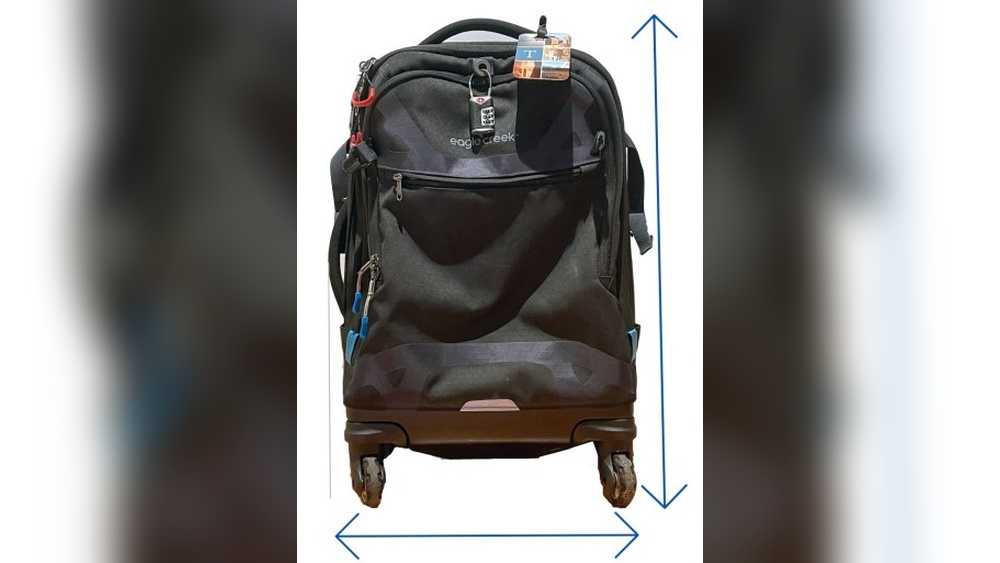
Have you ever felt tired or sore after carrying your backpack for just a short time? You might be surprised to learn that the weight of your backpack plays a big role in how comfortable and safe you feel.
Knowing how much your backpack should weigh can save you from pain and injury. You’ll discover the simple rules to find the perfect weight for your backpack. Keep reading to make your next trip easier and more enjoyable.
Ideal Backpack Weight Limits
Choosing the right backpack weight matters for comfort and health. Too heavy a backpack can cause pain and injury. Too light might mean missing important items. Finding the balance helps you carry what you need without strain.
Backpack weight limits depend on several factors. These include your body size, age, and how long you will carry it. Below are some simple guidelines to help you decide the ideal weight for your backpack.
General Weight Recommendations
Most experts suggest that your backpack should not weigh more than 15% of your body weight. This limit helps reduce stress on your back and shoulders. For example, if you weigh 150 pounds, your backpack should weigh no more than 22 pounds. Keeping the load light improves balance and stamina.
Weight Based On Body Weight
Using body weight to set limits is the safest way. Carrying 10% to 15% of your weight is usually comfortable. Less than 10% is best for short trips or light loads. Over 15% can cause muscle fatigue and poor posture. Always adjust your backpack based on how you feel while carrying it.
Variations For Different Age Groups
Children and teenagers need lighter loads to protect their growing bodies. For kids, backpacks should weigh no more than 10% of their body weight. Teenagers can carry up to 15%, but careful attention is needed. Adults have more strength but should still avoid heavy backpacks for long periods. Age and fitness level both affect how much weight is safe.
Factors Influencing Comfortable Load
Choosing the right backpack weight depends on several key factors. These factors affect how comfortable your load feels during a trip. Understanding them helps prevent pain and fatigue. It also keeps you safe and ready for adventure.
Trip Duration And Distance
Long trips need lighter loads. Carrying heavy backpacks for many hours tires your body quickly. Short trips allow for heavier loads. You can bring more gear or food. Plan your pack weight based on how far and long you will travel.
Type Of Terrain
Rough or steep trails require lighter packs. Uneven ground makes heavy loads harder to manage. Flat or smooth paths let you carry more weight comfortably. Consider the trail’s difficulty when packing your bag.
Backpack Design And Support
A well-designed backpack spreads weight evenly. Padded straps and hip belts reduce strain on shoulders and back. Good ventilation helps keep you cool. Poor support increases fatigue and discomfort. Choose backpacks that fit your body well and support your load.
Health Risks Of Overloading
Carrying a backpack that is too heavy can cause many health problems. Your body struggles to hold the extra weight. This strain can lead to pain and injury. Knowing the risks helps you avoid long-term damage.
Overloading your backpack affects more than just your back. It can hurt muscles, joints, and bones. Taking care of your body means carrying only what you need.
Common Injuries From Heavy Loads
Heavy backpacks often cause muscle strain. Neck and shoulder pain are very common. You might also feel pain in your lower back. These injuries happen because your muscles work too hard. Sometimes, heavy loads cause nerve pain or numbness in arms.
Long-term Effects On Posture
Carrying too much weight changes how you stand and walk. Your body leans forward to balance the load. This habit can cause rounded shoulders and a curved spine. Poor posture leads to stiffness and more pain over time. It can also reduce your lung capacity.
Signs Of Overloading
Watch for pain that lasts after you take off your backpack. Tingling or numbness in your arms or hands is a warning. If you feel tired quickly or have trouble walking straight, your bag may be too heavy. These signs mean you should lighten your load immediately.
Tips To Reduce Backpack Weight
Reducing the weight of your backpack makes your trip easier and more fun. Carrying less helps you move faster and feel less tired. Small changes can make a big difference in how much your pack weighs.
Focus on what you really need. Choose the right gear. Pack smart to keep your load balanced and light.
Packing Essentials Only
Choose only the items you will use. Avoid packing things “just in case.” Every extra item adds weight. Stick to basics like clothes, food, and water. Leave behind non-essentials that add bulk.
Using Lightweight Gear
Pick gear made from light materials. Ultralight tents, sleeping bags, and cookware reduce weight. Look for compact and multi-use tools. Lightweight gear saves energy and space. It makes hiking more comfortable.
Organizing For Balance
Pack heavy items close to your back. Spread weight evenly on both sides. Balance helps prevent strain and improves posture. Use compartments to keep gear stable. A well-organized pack feels lighter on your body.
Adjusting Backpack For Comfort
Adjusting your backpack properly is key to carrying weight with ease. A well-fitted backpack reduces strain and prevents pain. Small changes can make long hikes much more comfortable. Focus on straps, load balance, and padding for best results.
Proper Strap Adjustment
Start by tightening the shoulder straps. They should hold the pack close to your body. Avoid straps that are too tight or loose. Your shoulders should feel supported but free to move. Adjust the sternum strap across your chest for extra stability.
Load Distribution Techniques
Place heavy items close to your back. This keeps the center of gravity near your body. Light items go on top or farther away. Spread weight evenly side to side. Balanced load helps maintain good posture and reduces fatigue.
Using Hip Belts And Padding
Hip belts take weight off your shoulders. Fasten the belt snugly around your hips, not your waist. Padding on straps and back panels adds comfort. It reduces pressure points and chafing. Proper padding helps you carry your pack longer.
Special Considerations
Backpack weight needs special attention for different groups and uses. Not every backpack user carries the same load. Various factors affect how heavy a backpack should be. Age, activity type, and body strength change weight limits.
Backpacks For Kids And Teens
Kids and teens have weaker muscles than adults. Their backpacks should weigh less than 10-15% of their body weight. Heavy backpacks can cause pain and posture problems. Choose lightweight backpacks with padded straps. Pack only essential items to keep weight low.
Travel Vs Hiking Backpacks
Travel backpacks hold clothes and gadgets but stay lighter. Carrying too much weight on trips causes fatigue. Hiking backpacks need extra gear and food, so they are heavier. Balance weight with comfort and endurance. Use backpacks with good support and padding.
Backpack Weight For Elderly
Older adults lose muscle strength and bone density. Their backpack weight should be lower than younger adults. A safe limit is about 10% of body weight. Choose backpacks with ergonomic designs. Light loads reduce injury risks and improve comfort.
Frequently Asked Questions
How Much Should A Backpack Weigh For Hiking?
A backpack should weigh no more than 20-25% of your body weight for hiking. This helps prevent strain and ensures comfort during long walks. Adjust weight based on fitness and trip duration for best results.
What Is The Ideal Backpack Weight For Daily Use?
For daily use, keep your backpack weight under 10-15% of your body weight. This reduces shoulder and back pain and improves posture. Pack only essentials to maintain lightness and convenience.
Why Is Backpack Weight Important For Health?
Backpack weight affects spinal alignment and muscle strain. Overloading can cause pain and injury. Proper weight distribution prevents fatigue and long-term damage, promoting better posture and comfort.
How To Reduce Backpack Weight Effectively?
To reduce weight, remove unnecessary items and choose lightweight gear. Pack multi-use items and distribute weight evenly. Regularly review and adjust contents to avoid carrying excess load.
Conclusion
Choosing the right backpack weight matters for your comfort and health. Carrying too much can cause pain and tiredness. Keep your load light by packing only what you need. Aim for about 10-15% of your body weight. This helps you stay balanced and enjoy your trip.
Listen to your body and adjust if needed. A well-packed backpack makes every journey easier and more fun. Small changes can lead to big differences in how you feel. Carry smart, travel happy.