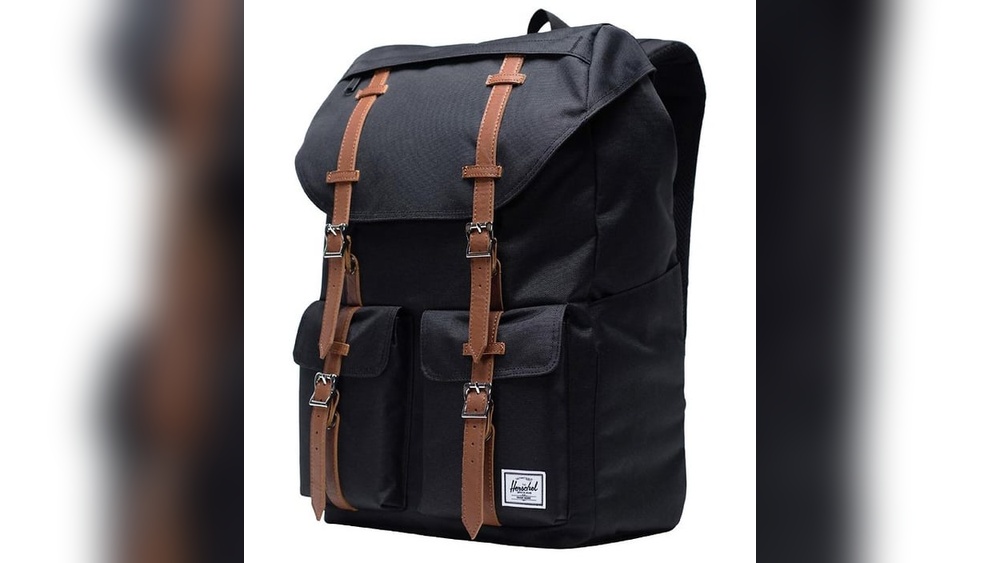
Have you ever felt your backpack dragging you down by the end of the school day? You’re not alone.
Carrying the right weight in your backpack can make a huge difference in how you feel physically and how well you focus in class. But how much should a high schooler’s backpack really weigh? This article will help you find the perfect balance—so you can protect your back, stay comfortable, and get the most out of your school day.
Keep reading to discover simple tips and expert advice that could change the way you carry your books forever.
Ideal Backpack Weight For Teens
Choosing the right backpack weight is important for teens. It helps protect their backs and keeps them comfortable all day. Carrying too much weight can cause pain and long-term problems. Knowing the ideal backpack weight helps teens stay healthy while carrying school supplies.
Recommended Weight Limits
Experts suggest a backpack should weigh no more than 10 to 15 percent of a teen’s body weight. For example, if a teen weighs 120 pounds, their backpack should not exceed 12 to 18 pounds. Staying within this limit reduces strain on muscles and joints. It also helps keep good posture and prevents fatigue.
Factors Influencing Safe Weight
Several things affect how much weight a teen can safely carry. Age and body strength play a big role. Younger teens usually need lighter loads. The way a backpack fits also matters. Wide, padded straps and a waist belt can spread weight evenly. How often the teen carries the bag and for how long impacts safety too. Proper packing, with heavier items close to the back, helps reduce pressure.
Health Risks Of Heavy Backpacks
Heavy backpacks pose serious health risks for high school students. Carrying too much weight strains muscles and bones. This strain can cause pain and affect body alignment. Understanding these risks helps prevent long-term damage. Schools and parents must pay attention to backpack weight limits.
Back Pain And Posture Issues
Heavy backpacks often cause back pain in teens. The extra weight pulls the body backward. To balance, students lean forward or to one side. This poor posture stresses the spine and muscles. Over time, bad posture can lead to chronic pain. It also reduces lung capacity and breathing efficiency.
Long-term Effects On Growth
Carrying heavy backpacks can affect a teen’s growth. The spine and bones are still developing during high school years. Constant pressure from heavy loads may cause spine curvature. It can also lead to muscle imbalances and joint problems. These issues might affect height and body shape later in life.
Choosing The Right Backpack
Choosing the right backpack is key for high school students. It affects comfort and health. A good backpack supports the body and reduces strain. It helps carry books and supplies safely. Picking the right one means less pain and better posture.
Ergonomic Features To Look For
Look for backpacks with padded shoulder straps. Wide straps spread weight evenly on the shoulders. A padded back panel adds comfort and support. Adjustable straps help fit the backpack to the body. A waist belt helps shift weight from shoulders to hips. These features reduce pressure and prevent back pain.
Material And Durability Considerations
Choose backpacks made from strong, water-resistant materials. Nylon and polyester are good choices. They last longer and protect contents from rain. Check the stitching and zippers for quality. Durable backpacks handle daily wear and tear. A lightweight material helps keep the overall weight down.
Packing Tips For High Schoolers
Packing a backpack for high school is a skill every student needs. A well-packed bag helps avoid back pain and keeps things easy to find. Choosing what to pack and how to pack can save time and energy during the day.
Smart packing helps keep the backpack light and balanced. This makes carrying books and supplies more comfortable for long school days.
Essential Items Only
Pack only what is needed for the day. Check the schedule to know which books and supplies are required. Avoid carrying extra items that add weight without use. Keep gadgets and snacks to a minimum. Less weight means less strain on the back.
Organizing For Weight Distribution
Put heavier items close to the back. This keeps the center of gravity stable. Spread out books evenly in both sides of the backpack. Use smaller pockets for lighter and flat items. A well-organized bag prevents pain and helps maintain good posture.
Daily Backpack Weight Monitoring
Daily backpack weight monitoring helps keep high schoolers healthy. It prevents back pain and improves comfort. Checking the weight each day makes sure the load is safe. Students can carry only what they need. This habit builds good posture and avoids strain.
Using Scales Effectively
Use a small digital scale to weigh the backpack. Place the backpack on the scale before leaving home. Check the reading and compare it to the recommended weight. The ideal weight is about 10-15% of the student’s body weight. Weigh backpacks regularly, not just once in a while.
Adjusting Load Based On Activities
Change the backpack weight depending on the day’s plan. Carry fewer books on lighter school days. Add sports gear or art supplies only when needed. Remove items that are not necessary for that day. Keep the backpack light to avoid tired muscles and pain.
Alternatives To Heavy Backpacks
Heavy backpacks can cause pain and tiredness for high schoolers. Finding alternatives helps reduce the load. Less weight means better posture and less strain on growing bodies.
Several simple steps can cut down the weight students carry every day. These choices make school life easier and safer.
Locker Usage Strategies
Lockers offer a great way to store books and supplies. Students can keep only what they need for each class. This cuts down on carrying many heavy books at once.
Planning a locker schedule helps. Students can drop off or pick up materials between classes. This keeps backpacks light throughout the day.
Digital Textbooks And Resources
Many schools provide digital textbooks on tablets or laptops. These reduce the need for physical books. Digital resources can be accessed anytime and anywhere.
Using online notes and assignments lowers the need to carry paper. It keeps backpacks lighter and more organized.
Frequently Asked Questions
How Heavy Should A High Schooler’s Backpack Be?
A high schooler’s backpack should weigh no more than 10-15% of their body weight. This prevents strain and injury while ensuring comfort during daily use.
What Are Risks Of Carrying A Heavy Backpack?
Carrying a heavy backpack can cause back pain, poor posture, and muscle strain. It may also lead to long-term spinal issues if done regularly.
How Can Students Reduce Backpack Weight Effectively?
Students can reduce weight by carrying only essential items, using digital textbooks, and organizing their bag efficiently. Regularly cleaning out unnecessary items helps maintain a lighter load.
Why Is Backpack Weight Important For Teenagers?
Proper backpack weight prevents musculoskeletal problems and promotes better posture. It supports physical health and helps teens focus better throughout their school day.
Conclusion
A high schooler’s backpack should not feel heavy or cause pain. Keep the weight under 10 to 15 percent of body weight. This helps protect the back and shoulders from strain. Pack only what is needed for the day. Use both shoulder straps to balance the load.
Choosing a lightweight backpack also makes a difference. A comfortable backpack helps students focus better in school. Remember, a lighter load means a healthier and happier student. Simple steps make a big impact on daily comfort.