Have you ever wondered why backpacks designed for men and women don’t look or feel the same? If you’ve struggled with discomfort or poor fit when carrying your backpack, understanding these differences could change everything.
Your backpack isn’t just about style—it’s about comfort, support, and how well it suits your body shape. Keep reading to discover what sets men’s and women’s backpacks apart and how choosing the right one can make your daily carry easier and more comfortable.
Design Differences
Men’s and women’s backpacks differ in many design aspects. These differences make backpacks more comfortable and suitable for each gender. The design changes include shape, size, colors, and styles. Understanding these can help choose the right backpack.
Shape And Size Variations
Backpacks for women often have a narrower shape. This fits better with a woman’s body frame. The straps are usually shorter and more curved. This design reduces pressure on the shoulders.
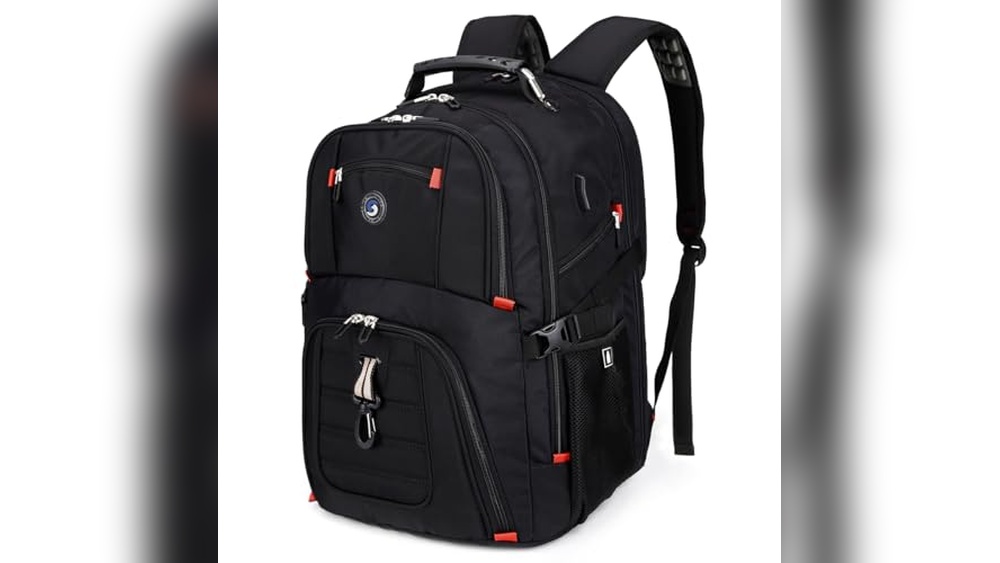
Men’s backpacks tend to be larger and boxier. They provide more space for carrying items. The straps are longer and straighter. This design supports a wider shoulder span.
These size and shape differences improve comfort. They also help balance the backpack weight better.
Color And Style Trends
Women’s backpacks often feature brighter colors and patterns. Common colors include pink, purple, and pastel shades. Floral or geometric prints are popular too. These choices appeal to many female users.
Men’s backpacks use darker and neutral colors. Black, gray, navy blue, and brown are typical. The styles focus on simplicity and functionality. Minimal designs suit a professional or casual look.
Color and style differences reflect personal tastes and preferences. They help individuals express their style through backpacks.
Fit And Comfort
Fit and comfort are key factors when choosing backpacks for men and women. A backpack that fits well feels lighter and easier to carry. Designers consider body shapes to create backpacks that suit each gender. Comfort depends on how the backpack sits on the back and shoulders.
Strap Adjustments
Straps must adjust to different shoulder widths and torso lengths. Women’s backpacks often have narrower straps for smaller shoulders. Men’s straps tend to be wider for broader frames. Adjustable straps help secure the bag and reduce movement during use. Proper strap fit prevents pain and discomfort.
Back Panel Contours
The back panel shape matches the spine’s natural curve. Women’s backpacks usually have a shorter, more curved panel. This fits the female back better. Men’s backpacks have longer, straighter panels for their body shape. Good back panel design improves airflow and reduces sweat.
Weight Distribution
Weight distribution affects how heavy the backpack feels. Women’s backpacks often place weight higher and closer to the back. This helps keep balance and reduces strain. Men’s backpacks spread weight over a larger area. This suits their generally larger frames. Balanced weight makes carrying easier and safer.
Functionality
Backpacks for men and women differ in many ways, especially in functionality. These differences affect how useful and comfortable a backpack can be for each gender. Functionality covers how backpacks store items, their special features, and the materials used for durability. Understanding these points helps in choosing the right backpack for daily use or travel.
Storage Compartments
Men’s backpacks often have larger main compartments. They suit carrying laptops and bulky items. Women’s backpacks tend to have more small pockets and organizers. These pockets help keep things like makeup, keys, and phones separate. Some women’s backpacks include padded compartments for delicate items. Both types focus on easy access but in different ways.
Special Features
Special features vary based on user needs. Men’s backpacks may include built-in USB ports or hydration packs. Women’s backpacks often add features like hidden pockets for security. Some have detachable pouches or adjustable straps for better fit. Reflective strips for night safety appear on both but in different styles. These features enhance convenience and comfort.
Durability And Materials
Durability depends on the materials used. Men’s backpacks often use thicker, rugged fabrics. These materials resist tears and rough use. Women’s backpacks may use lighter fabrics with water-resistant coatings. Both types use strong zippers and reinforced stitching. The choice of material balances strength and weight for each design.
Purpose And Usage
Backpacks serve different needs for men and women based on how and where they are used. Purpose and usage play a big role in their design. Each backpack fits certain activities or environments better. Understanding these differences helps choose the right backpack for you.
Outdoor Vs Urban Use
Outdoor backpacks focus on comfort and durability. They often have extra straps to hold gear. These backpacks are usually larger for longer trips. Women’s outdoor backpacks might have a smaller frame for better fit.
Urban backpacks are smaller and lighter. They focus on style and ease of carrying. These bags often include compartments for laptops and daily items. Women’s urban backpacks may have more color and design options.
Activity-specific Designs
Backpacks are made for specific activities like hiking, commuting, or school. Hiking backpacks include padded straps and water bottle holders. Women’s hiking backpacks often offer extra support for the back and hips.
Commuter backpacks focus on organization and quick access. They usually have laptop sleeves and multiple pockets. Women’s commuter backpacks may have slimmer shapes for easier carrying.
Price And Brand Differences
Backpacks for men and women often show differences in price and brand choices. These differences come from design, materials, and targeted markets. Prices can vary widely based on style and features. Brand reputation also plays a key role in setting prices. Understanding these variations helps you pick the best backpack for your needs and budget.
Market Trends
Men’s backpacks tend to focus on durability and functionality. These packs often use stronger fabrics and bigger sizes. Women’s backpacks usually emphasize style and fit. Brands add extra padding and smaller shapes for comfort. Prices for women’s backpacks can be higher due to design details. Outdoor brands are making more gender-neutral options too. Demand for eco-friendly materials is rising in both markets.
Popular Brands For Men And Women
Brands like North Face and Patagonia are popular for men’s backpacks. They offer tough, practical bags with many compartments. For women, brands such as Herschel and Fjällräven stand out. These brands blend fashion with function. Some brands create specific lines for women with bright colors and slim fits. Others sell unisex backpacks that suit all users. Price ranges vary from budget-friendly to premium labels.
Frequently Asked Questions
What Are The Main Differences Between Men’s And Women’s Backpacks?
Men’s backpacks usually have larger frames and wider straps. Women’s backpacks are designed with narrower shoulders and contoured shapes for better fit and comfort. Weight distribution also varies to match body structure differences, enhancing usability and reducing strain for each gender.
Why Do Women’s Backpacks Have Different Strap Designs?
Women’s backpacks feature narrower, curved straps to fit smaller, sloped shoulders comfortably. This design prevents slipping and distributes weight evenly. Men’s straps are generally wider and straighter to accommodate broader shoulders and larger upper bodies.
How Does Backpack Size Vary Between Genders?
Men’s backpacks tend to be larger to match taller frames and increased carrying capacity needs. Women’s backpacks are usually smaller and more compact to suit shorter torsos and lighter load requirements, ensuring better balance and comfort.
Are There Color And Style Differences In Backpacks By Gender?
Yes, women’s backpacks often have diverse colors and stylish designs catering to fashion preferences. Men’s backpacks typically focus on neutral or darker tones with practical, rugged designs. These differences reflect typical market trends and user preferences.
Conclusion
Men’s and women’s backpacks differ in size, shape, and fit. Women’s backpacks often have narrower straps and smaller frames. Men’s backpacks usually offer more space and wider straps. These differences help improve comfort and support. Choosing the right backpack depends on your body and needs.
Knowing these details makes picking easier. Find a backpack that feels good and works well. Comfort matters most for daily use. Keep these points in mind when shopping next time.